

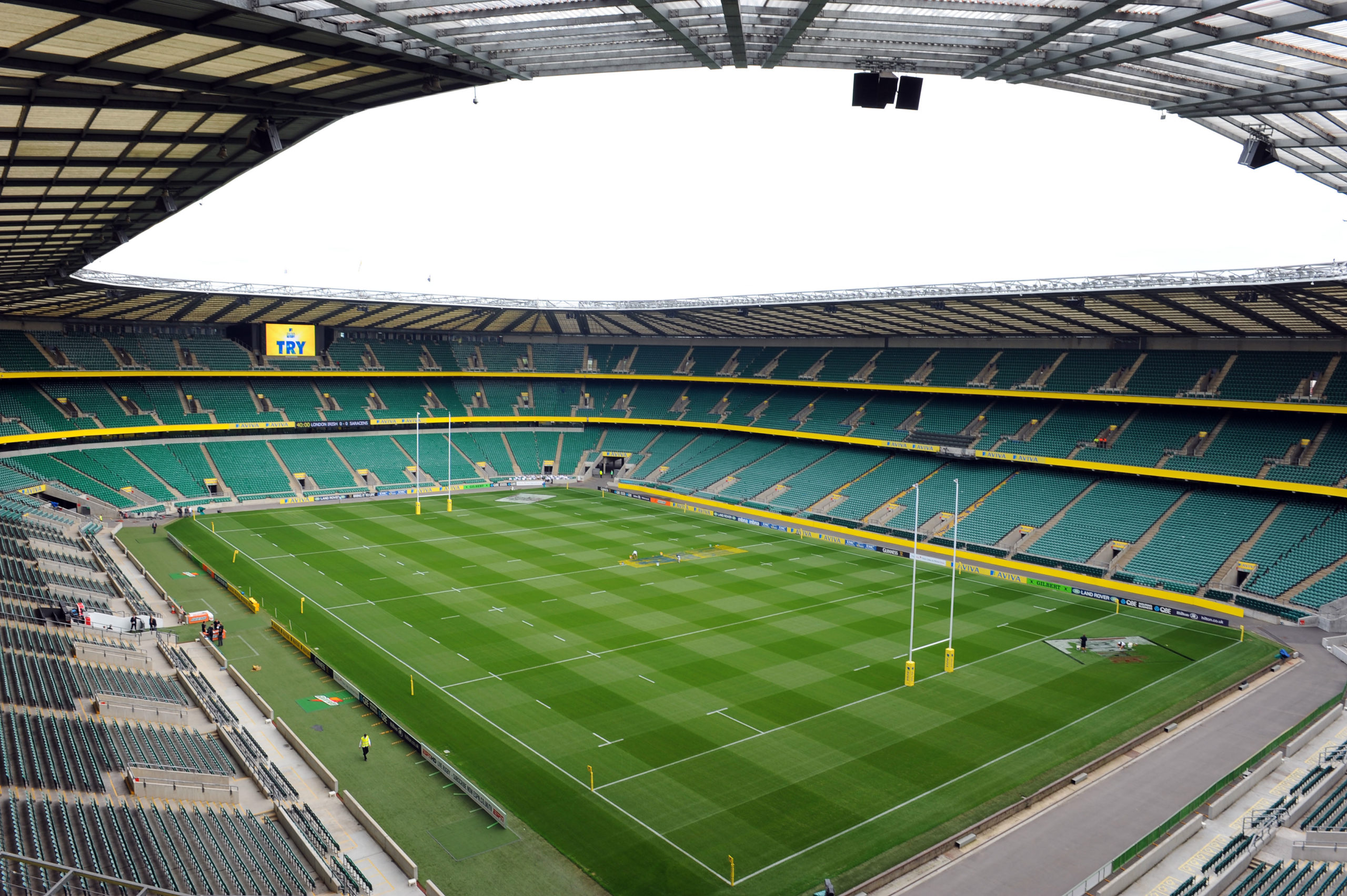
The Nations Championship arrives in July 2026 with a 12-team format that puts the Six Nations sides against Argentina, Australia, Fiji, Japan, New Zealand, and South Africa across six rounds. Three rounds come in July, three more in November, and London hosts Finals Weekend from November 27 to 29 at Allianz Stadium, Twickenham. The opening Saturday alone has New Zealand v France in Christchurch, Australia v Ireland in Sydney, South Africa v England at Ellis Park, and Argentina v Scotland in Cordoba. That is a heavy broadcast day for any rugby fan, especially one following time zones from breakfast through evening. The idle minutes around those matches will not feel empty; team sheets, WhatsApp arguments, odds screens, clips, and quick games will fill them. Downtime becomes part of the tournament.
A calendar built for long Saturdays
The July window starts on July 4, and the match list has an old touring feel with a new tournament wrapper. France goes to One New Zealand Stadium in Christchurch, Ireland travels to Allianz Stadium in Sydney, and England plays at Ellis Park in Johannesburg, where altitude and collision speed usually punish poor exit play. Fiji v Wales is listed for Cardiff City Stadium on the same day, which gives the format its first odd wrinkle: a Southern Hemisphere team with a home fixture in Britain. Traveling supporters will notice that scheduling detail because rugby fans read venues the way football fans read back fours. The stadium tells part of the match before kickoff.
The table gives July a sharper edge
Old summer tours often allowed a bad first Test to fade into the tour diary, but this format turns July into table pressure from the first whistle. Each side plays cross-hemisphere matches, and results roll into a November sequence that decides seedings for Twickenham. France comes in as the 2026 Six Nations champion after Thomas Ramos’ last-minute 43-meter penalty beat England 48-46 at Stade de France, a finish that said plenty about late-game discipline. South Africa also retained the 2025 Rugby Championship by beating Argentina 29-27 at Twickenham, with the Springbok scrum again bending the last half-hour. Set-piece strain will travel into July.
Casino breaks fill the gaps between broadcasts
A full Nations Championship Saturday is not 80 minutes; it is 10 hours of teamsheets, warm-ups, halftime, injury checks, and post-match clips. Fans who drift to mobile casino games during those gaps usually want short sessions that end before the next kickoff, not a second event competing with the rugby. A supporter choosing to play slots for money between Japan v Italy and South Africa v England should check stake size, reel structure, RTP range, and volatility before the first spin. RNG mechanics drive slot outcomes, so a disciplined session depends on a fixed bankroll and a hard stop more than on mood after a try. The smartphone habit is brief.
Tactics will punish casual viewing
The tournament will be sold as hemisphere against hemisphere, but the decisive work may look smaller: clean exits from the 22, better kick-chase spacing, stronger rest defense after wide attacks. New Zealand v France in Christchurch should test whether France’s counterattack can survive repeated touchline pressure and aerial contests. Australia v Ireland in Sydney has a different pattern, with Ireland’s phase patience likely to ask how many tackles Australia can make before the defense folds. South Africa v England at Ellis Park will bring the most direct stress, because scrum penalties, maul entries, and box-kick landings can decide territory before either backline has space. Rugby’s quiet details will be loud in July. Watch the first three rucks after a line-break; that is where tired forwards either reset the shape or leave the inside shoulder exposed.
Live tables create a new phone ritual
The November return leg gives July results a second life, so the fan’s phone will carry more than highlights. A viewer checking Melbet live casino during a halftime gap may also have a live table, an injury thread, and a team news page open beside it, which is how modern matchdays actually look on a screen. In live-casino formats, dealer-led roulette, blackjack, or baccarat sessions move in real time, so timing matters more than in slot play. The safer routine is to treat each round as a separate decision, keep a stake ceiling, and avoid letting a tight rugby finish spill into longer casino play. The whistle should still set the evening’s rhythm.
The summer tour has learned to count
The Nations Championship gives international rugby a scoreboard that spans oceans, weeks, and venues. Supporters who once measured July by single Tests will now measure it by points, bonus points, and November consequences. There is a cost: the old uneven tour charm loses space when every match feeds a table. There is also a gain, because Argentina v Scotland in Cordoba and Japan v France in Tokyo now carry weight beyond the Saturday result. The fan’s downtime will change with it: fewer empty hours, more phone checks, more clipped attention between one stadium and the next. The pause after a TMO review may be only three minutes, but that is long enough for a whole second-screen routine.

















You must be logged in to post a comment Login