

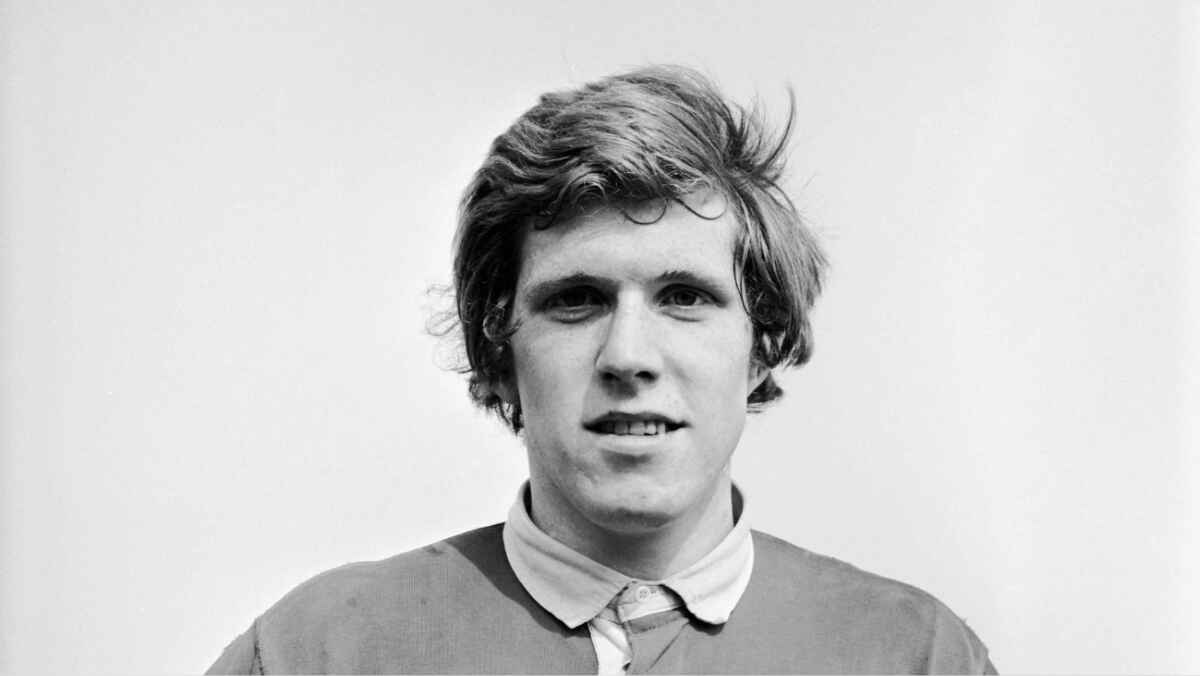
Fergus Slattery never thought twice about going where angels fear to tread.
No zone was ever too dangerous, from Canterbury‘s savage ambush of the Lions to a terrorist attack after a cross-border club match in Northern Ireland.
Two incidents, half a world and some ten years apart, can be connected as grim theories over the cause and effect of the dementia which destroyed the great Irish flanker’s later life.
An old comrade chiseled from the same warrior granite made the very same connection as soon as he learnt of Slattery’s death on Thursday morning.
Fearless
Stewart McKinney, a tough-as-teak northerner from Tyrone, played alongside Slattery, his fearless friend from the southern seaside town of Dun Laoghaire, in the same back row through almost 30 matches for Ireland and the Lions.
Neither ever knowingly took a backward step.
Slattery’s brutal treatment at the hands of the ‘Canterbury Butchers’, or to be more precise the fists of All Black prop Alister Hopkinson during the 1971 Lions tour of New Zealand, is all the more shocking because it would never be allowed to happen today.
Knocked out by a ‘massive punch in the mouth’ which broke his front teeth, Slattery stumbled on in a severely concussed state without the foggiest idea of where he was or what he was doing.
“I was out of it but I played on,” he said in the book When Lions Roared. “About five minutes later, running across the pitch and seeing this huge crowd, I’m thinking: Where the f*** am I?
“I went to Peter Dixon (England flanker) at the next lineout and asked him: ‘Where are we?’ And he looks at me, all agitated, and said: ‘What do you mean, where are we. We’re in bloody Canterbury.’
“About ten minutes later I asked him again but he’d just been smacked and had no idea.”
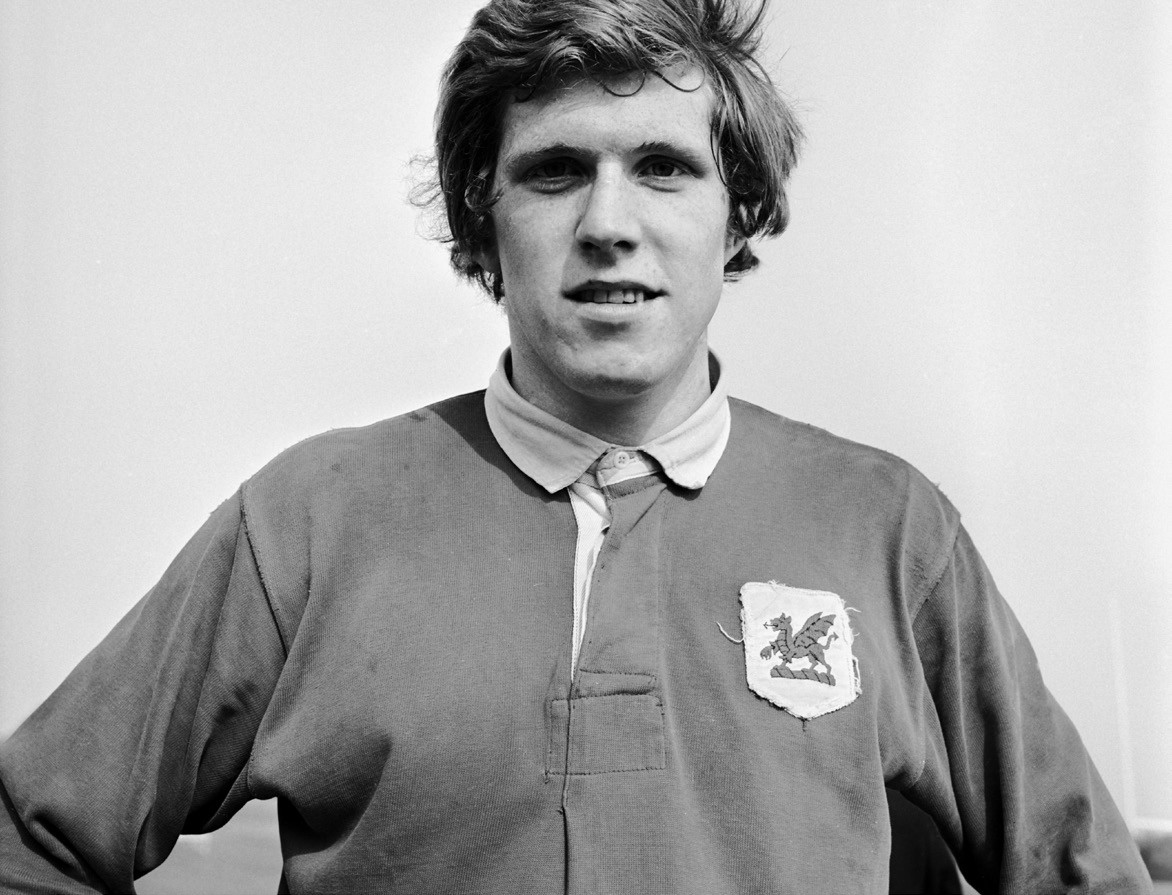 Proud Irishmen: Fergus Slattery, and, below, Stewart McKinney
PICTURES: Getty Images
Revealing
The second incident happened years later after a match in Dungannon between McKinney’s club and Slattery’s Blackrock College from Dublin.
The Ulsterman’s eye-witness account and its repercussions, told here for the first time, is all the more revealing in the context of his old friend’s death at the age of 77.
“We were in a pub at the railway station in Portadown that evening with Fergus and the Blackrock boys waiting for the Dublin train,” he says.
“Then, all of a sudden, the barman shouted out that we all had to make a run for it. They’d found a bomb on the line.
“We were warned that there was a crowd heading for the pub because they’d heard about a rugby team from Dublin being there.
“Once we were safely out of harm’s way, Fergus says to me: ‘I’ve left my coat in the pub.’
“I said: ‘I’ll go back and get it.’ I ran back, got the coat and gave it to him.
“We played Blackrock again a couple of seasons later and there’s Fergus walking round and round the pitch as if he was looking for something.
“So I went over and asked him. He said: ‘I’m looking for a coat.’ I reminded him that I’d retrieved his coat from the pub a couple of years back and given to him. He still went on looking.”
Signs
He added: “I saw his dementia coming a long time ago. There was another time when Fergus came to speak at our annual dinner – and he never charged a penny.
“He mentioned that his Uncle Jack had lived in Dungannon during the 1930s as manager of the Bank of Ireland in the town.
“After the dinner we were chatting and I told him I liked the story about his Uncle Jack. Fergus looked at me kind of blankly and said: ‘I never knew anyone called Uncle Jack.’
“That was another sign, another reason for thinking that I saw what was coming even back then.
“I didn’t want to believe it because I’d been there in South Africa with the Lions in 1974 and seen Fergus at the pinnacle of his game, running riot on those hard grounds.
“He was dynamite. So quick that the Springboks couldn’t live with him.
“Did you know that he was so fast that when we did sprint training, he’d do his sprints with the backs and give an international sprinter like JJ Williams a real run for his money.”
Rare breed
‘Slatts’ belonged to a rare breed, the amateurs who loved the old game so much that they willingly imbued it with a professional attitude, free of charge, of course.
‘Slatts’ revelled in the fun of the old game’s ethos wherever, and whenever, he found it.
McKinney, tackling his own terminal illness with the same boundless courage he brought to the game as a blindside flanker, recalls one tale from a weekend in the Pyrenees of how they ended up playing in the famous Dax band.
They had gone to the Basque Country to play in a memorial match for Guy Boniface, the younger of the revered Boniface brothers who had been killed in a road accident in 1968 at the age of 30.
The musical adventure kicked off in the medieval village of Saint-Jean-Piedde-Port.
“We walked into a pub and there they were, the Dax band,” he said. “One thing led to another and they asked us to march with them.
“So out we went, stopping at every pub on the way up, me with a big drum, Fergus with a trombone.
“And when we got to the top, ‘Slatts’ still had the energy to climb on a big horse and ride off as though he’d been doing it all his life.”
Concussions
McKinney has long been in no doubt that too many concussions exacted a savage toll on Slattery’s life, a belief made all the more poignant given the not too dissimilar effect on the Ulsterman’s life.
“I’m dizzy all the time now,” he says. “I’m sure all the concussions have got a lot to do with it.
“The first time I was concussed, by the French brute Alain Esteve, the trainer came on, held up two fingers and asked: ‘How many fingers?’
“It was always the same. Then you’d have the captain saying: ‘We need you.’
“You played on because you had to play on. We all did in those days. Some players blame the game. I don’t. I’d have done it all over again.”
Blackrock College’s beautifully crafted tribute to Stewart’s old sidekick caught the essence of the Slattery I knew pre-dementia, an all-time great and, better still, a first class member of the human race who found time for everyone.
“An openside flanker of extraordinary intelligence, courage and relentless competitiveness, he always seemed to arrive first where the contest was fiercest” as Blackrock described him.
“He played with ferocity and grace but without ego or theatre.
“Modest in demeanour, yet monumental in achievement, Fergus never sought admiration but earned it universally from team-mates, opponents, supporters and generations of young rugby player who dreamed of following in his footsteps.”
READ MORE: Peter Jackson: Applaud the Chapman family’s lasting legacy


Autumn Internationals
Ben Spencer targets 2027 Rugby World Cup place with England after surgery



The best betting sites


















You must be logged in to post a comment Login