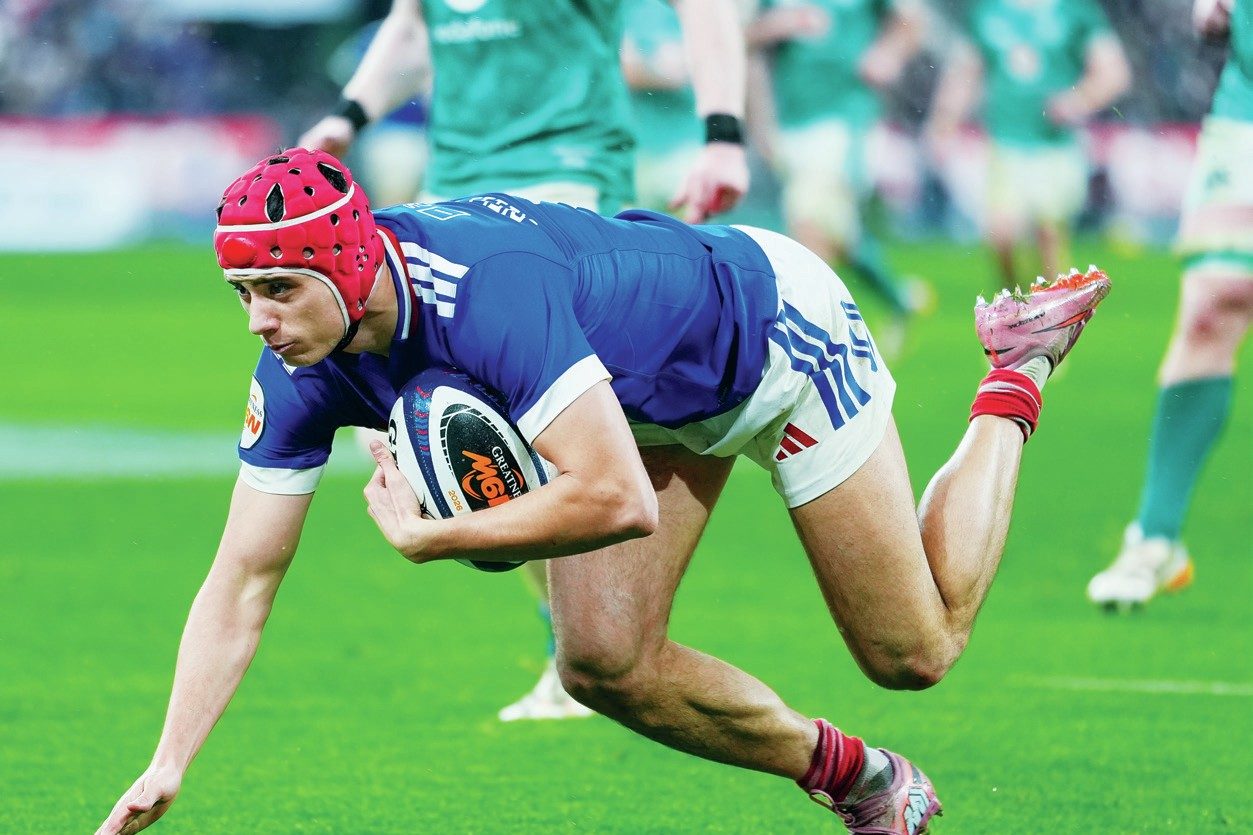
The key ingredients of a successful World Cup are few in number but broad in sweep: a critical mass of genuinely competitive teams, a group stage with a sense of jeopardy, a disciplinary system that works for the weakest sides in the tournament as well as the most powerful and a collective sense of ambition that gives the best wings the best chance to show the best of themselves.
No pressure on next year’s global gathering in Australia, then.
The decline and fall of Wales; the dilution of the tournament’s talent pool with the muddle-headed addition of four fresh bunches of no-hopers; the drive-everyone-up-the-wall inconsistencies and iniquities of the Television Match Official set-up? Without being overly pessimistic, we’re all doomed.
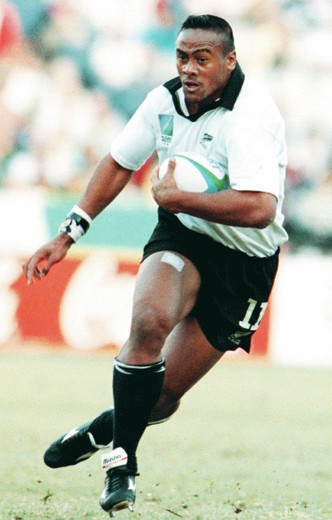
At least, we will be if the wings fail to take flight. Happily, there are clear signs that the 2027 edition will be a vintage one for the wide men, even if no one quite manages to turn the entire sport on its head in the way Jolly Jonah of Lomuland – the first and last of rugby’s many parallel universes to be inhabited by a single individual – did a little over three decades ago.
Accelerant
Jonah, above, did not bring the amateur era to an end single-handedly, but he was undeniably an accelerant.
Rupert Murdoch, no less, was said to have told his senior aides that he wanted “that guy on my television screens” ahead of his transformative buy-up of southern hemisphere rugby.
You may think, in your darker moments, that some current international wings are slow and useless enough to drive the sport back out of professionalism, but that’s a debate for another day.
In the pay-for-play era, there have been enough high points for the Nos 11 and 14 to constitute a mountain range.
The first of the pro World Cups in 1999 still had Lomu as the top-of-the-bill act and what a hand he played, driving New Zealand to an important victory over England in the tournament opener and almost beating the French on his own on semi-final day: some effort from a man grappling with nephrotic syndrome, the kidney disorder that would lead to his death at 40.
Jonah had the brilliant Jeff Wilson as his wing partner; France brought Christophe Dominici, at the high peak of his powers, and Philippe Bernat-Salles, the Pyrenean pyrotechnician, to the party; the Wallabies had Joe Roff and Ben Tune; the South Seas contingent boasted Brian Lima and Marika Vunibaka, different players in most respects but eerily similar in their ability to leave opponents wondering if they should have jumped the queue by checking into A&E before kick-off.
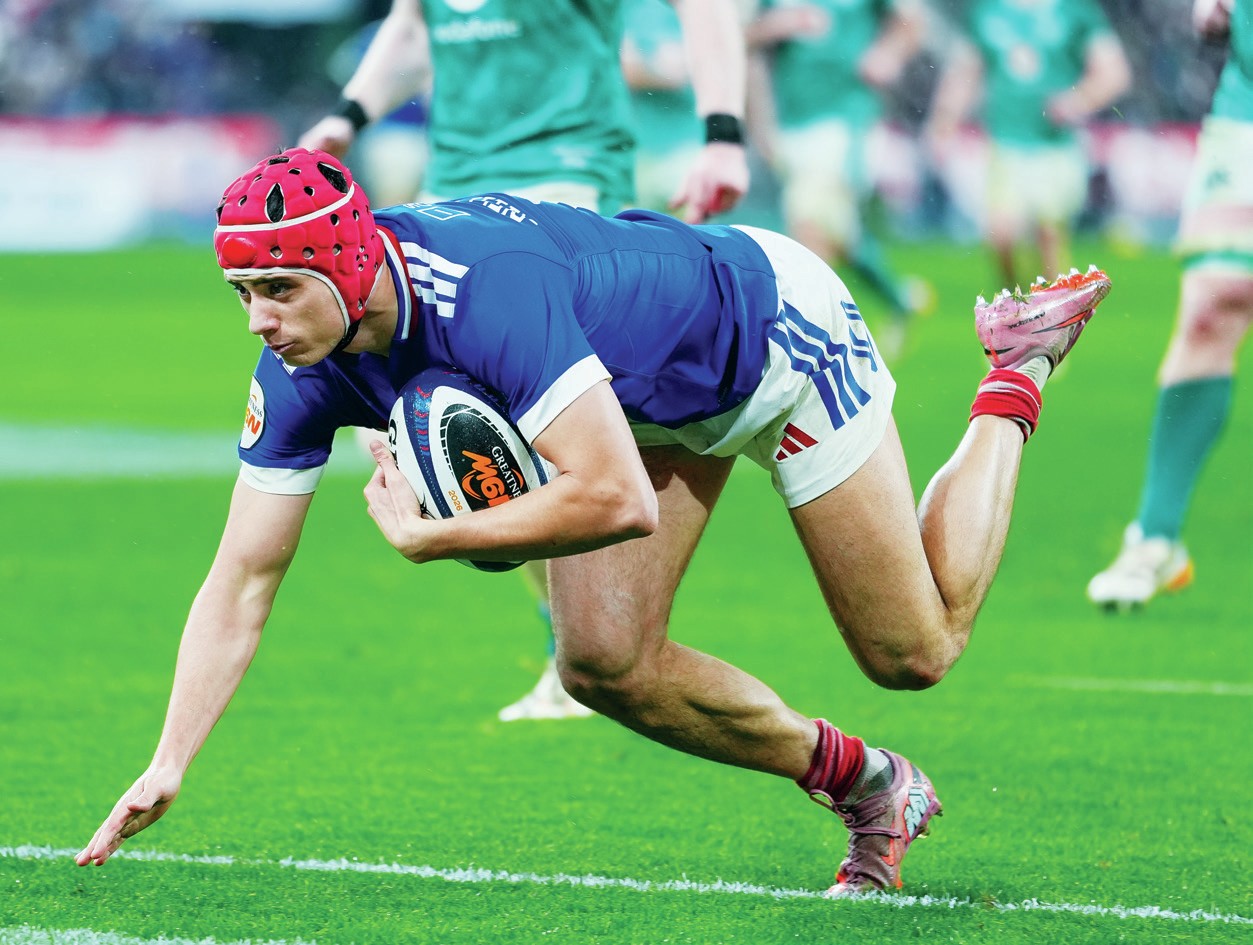
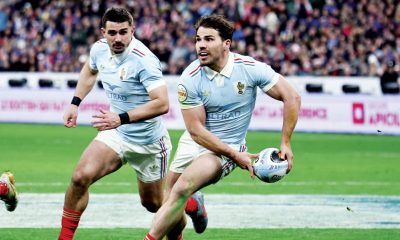
French flyer: Winger Louis Bielle-Biarrey scoring a try against Ireland
PICTURE: Getty Images
French stardom
Four years later, the extraordinary Rupeni Caucaunibuca did things not even Lomu could have contemplated; next time round, the hall of fame-bound Bryan Habana of South Africa dared the still-anonymous Takudzwa Ngwenya of the United States to beat him on the outside and didn’t see his shorts for dust.
As for 2015, the wonders were again performed by unexpected people from unexpected places: Santiago Cordero of Argentina; DTH Van der Merwe of Canada.
If the stars are aligned in 18 months’ time, the 11th World Cup may well stand comparison with the most memorable of the previous 10 when it comes to wing play.
We know, insofar as we can be sure of anything at this distance, that Louis Bielle-Biarrey and Theo Attissogbe will be in the French mix, and that Damian Penaud, hardly the worst the last time anyone looked, will be there with them after making his peace with Fabien Galthie.
France must be one hell of a side if they can afford to treat a match-winner of his quality with disdain.
Wings in the bank
Cheslin Kolbe, Kurt-Lee Arendse, Canan Moodie?
If the Springboks fall short in their mission to be the first nation to win three titles off the reel, it won’t be because of any frailties out wide.
New Zealand? They’re all over the place just at the moment, but they’ll come up with a finisher or two. They always do.
The Wallabies? They’ll have Mark – take a deep breath – Nawaqanitawase on the prowl and, as a direct consequence, will be significantly stronger than they are now.
Instead of being in the union game for a good time rather than a long time, which is how it looked when he was preparing to switch codes in 2024, our Mark has opted for a Keir Starmer-style U-turn. Good on him.
Fiji? If the thrilling Kalaveti Rauvouvou does a Caucau, you will find your columnist in “told you so” mood.
And then there’s dear old England, who, history tells us, tend to win things up front rather than out back.
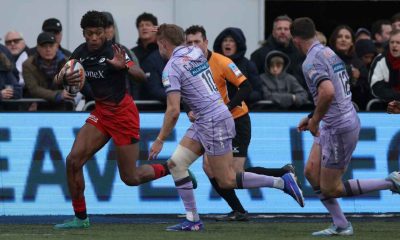
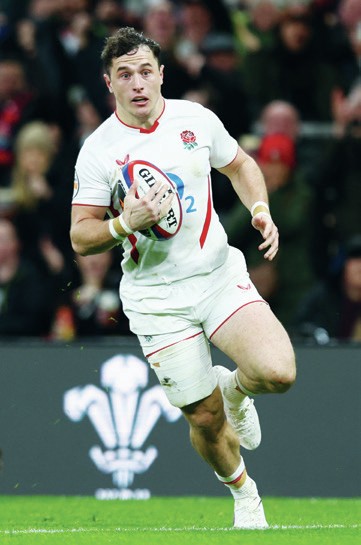
But hang on just a moment. They have Immanuel Feyi-Waboso in the bank, Henry Arundell, above, and Tom Roebuck in their current starting line-up and Tommy Freeman in their thinking.
That’s handy, to say the very least, and there is a battalion of others in reserve.
Just imagine it: dear old, frumpy old Blighty mixing it with the swaggering French and the best of the southern hemisphere in the Fancy Dan role. It may even be worth the price of a ticket.
READ MORE: Chris Hewett: Blow the whistle on all these changes



The best betting sites