

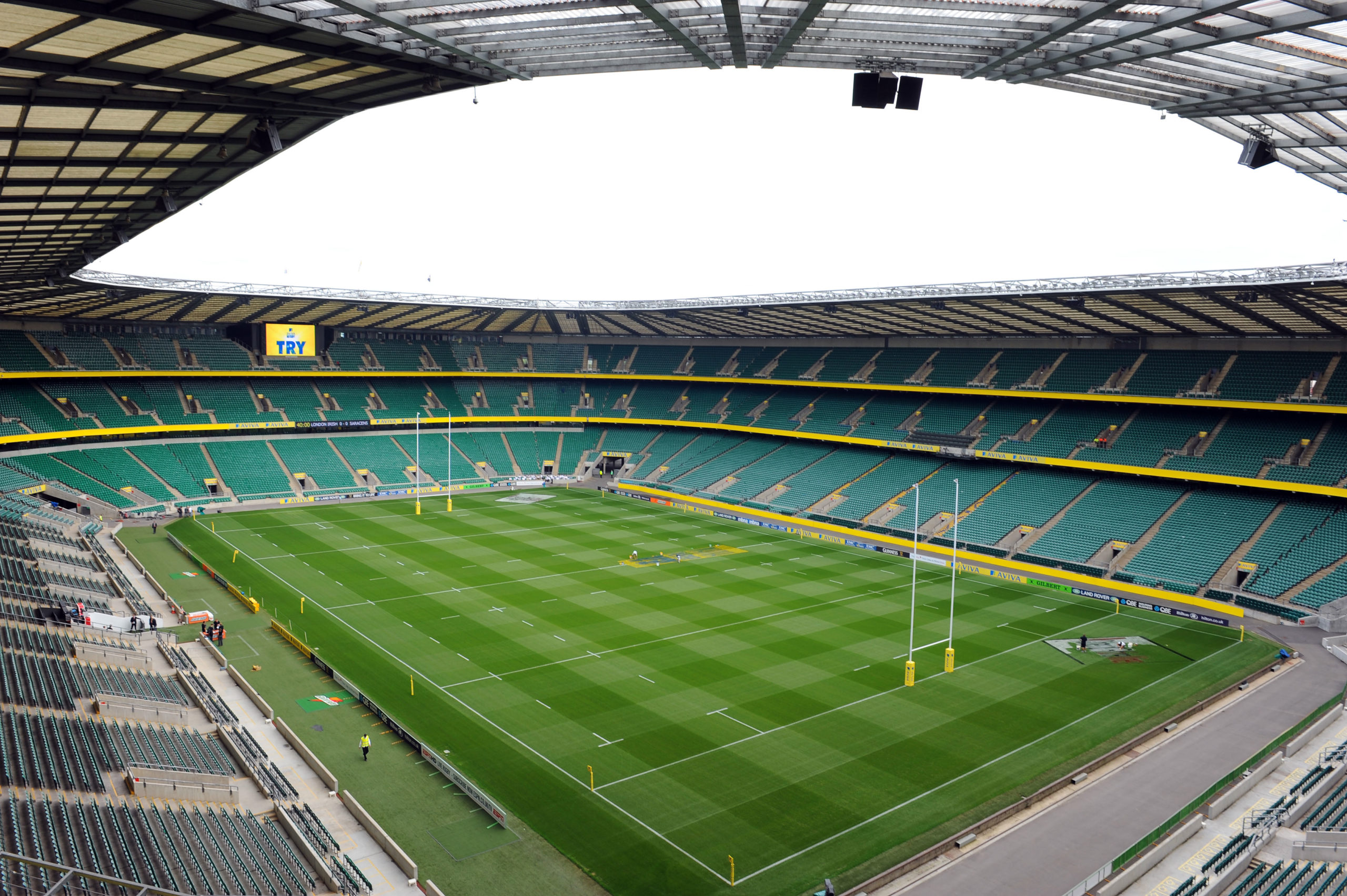
The Prem has never started a season quite like this. The opening weekend produced 52 tries, the most for any first round in the league’s history, and a fortnight later Saints and Bath shared 18 of them in a 71-48 shoot-out at Franklin’s Gardens.
Then Round 4 came along, and five matches produced about 160 points between them, roughly half the rate of the first three weekends.
So which is the real Prem? Is this now a league where you simply back the over, or did September fool everyone? With Christian Wade one try away from holding the competition’s all-time try-scoring record outright, it’s a good moment to look at what the numbers mean for the two markets most affected: total points and try-scorers.
A September like no other
Round 1’s 52 tries beat every previous opening weekend, and Round 2 added 41 more, giving an average of 9.3 tries a match across the first two rounds, the highest in Opta’s records. By the end of Round 3 the league had seen 142 tries in 15 matches, about 9.5 a game, and 949 points, or roughly 63 a match.
The headline acts were easy to spot. Saints’ 71-48 win over Bath brought 119 points, the second-highest total in league history, behind only their own 94-33 demolition of Bristol in May. Gloucester put 48 past Quins without reply, Bristol beat Saints 41-26, and Sarries edged Tigers 40-38 at Welford Road.
None of this came out of nowhere, though. The try count has gone up every season for four years:
Season Tries per match
2022/23 7.01
2023/24 7.06
2024/25 7.96
2025/26 8.60
2026/27 (first two rounds) 9.30
Why the tries keep coming
The laws have helped. Recent tweaks around kicking mean players in front of the kicker can no longer loiter offside, scrum-halves get more protection at the base of the ruck, and shot clocks have cut the dead time. Saints boss Phil Dowson put it simply: “There have been some rule changes from a kicking point of view that’s opened the game up.” He added that “risk is being rewarded more often and there’s the actual skill level of the playing group.”
The bonus point matters too. The Prem still awards one for four tries, whatever the opposition scores, while the Top 14, Super Rugby and the Champions Cup ask for a three-try margin. A side chasing its fourth try in the last ten minutes, even with the result settled, is good news for anyone holding an over.
Then there’s the lack of jeopardy at the bottom. There’s no automatic relegation this season, which takes some of the fear out of a struggling side’s game plan. Add firm pitches and a dry ball in September, and the attack had every advantage.
Not everyone is convinced it’s progress. The Telegraph’s Charles Richardson argued: “Tries are only worth as much as the strength of the defence trying to prevent them.” Round 4 suggested the defences haven’t given up just yet.
Round four: the brakes go on
It was the Prem’s derby weekend, and it showed. Five games produced about 160 points, roughly 32 a match against 63 in the first three rounds. Gloucester beat Bath 23-5, Newcastle saw off Sale 17-3, Tigers beat Saints 28-7 and Bristol beat Chiefs 20-7. Only Quins’ 33-15 win over Sarries looked anything like September.
At Kingsholm, Bath were held up over the line at least three times, while Gloucester conceded 22 penalties and had three players sin-binned, and still won by 18. It was blustery at Kingston Park, where Sale failed to cross at all. Saints, who had put 71 points past Bath a fortnight earlier, managed seven at Welford Road, where Tigers scored all four of their tries after the break.
One round proves very little, but it’s a reminder of what late-autumn weather, tight derbies and a referee who keeps a lid on the breakdown can do to a scoreline. The Prem’s refereeing is also reported to be moving closer to the Test game this season, which could slow things further as winter sets in.
Reading the totals market
Bookmakers set total points lines from recent scoring, so after a September like that, the easy value in the over may already have gone. A market that has just watched Saints and Bath share 119 points isn’t going to hand you a soft line the next time they meet.
That’s why it pays to look at the teams rather than the league average. Saints’ four games have averaged about 76 points, and they’ve scored 163 of them, but they concede freely as well. Gloucester sit at the other end of the scale: top of the table, with only 67 points conceded in four games, the meanest defence in the league. Newcastle, who leaked 131 tries in 18 league games last season and did plenty to inflate the overall numbers, have been tighter this time. Their four games have averaged about 52 points, below the league average, and they’ve just held Sale to a single penalty.
Check the forecast, too, because it matters far more between November and February. The calendar is another factor: the Prem returns on 4 December, five days after the Nations Championship final, so expect some internationals to be rested.
Team markets deserve a look as well. With the four-try bonus there for the taking regardless of the margin, a side that attacks late can make the “four or more tries” market interesting.
It pays to compare total points lines across more than one bookmaker, though bear in mind that plenty of betting and gaming brands are run by the same company on a shared platform, often with the same account rules and self-exclusion terms, and a directory of casino sister sites is a quick way to see which names belong together before you open another account.
Try-scorer markets: Wade, Freeman and the rest
Christian Wade is the story of the season so far. His second-half try against Sale on 23 October was his 101st in the Prem, drawing him level with Chris Ashton’s all-time record. He has six this season, five of them in Newcastle’s first three games. He’s 35, his contract runs out in the summer, and he isn’t short of confidence: “I am someone who is going to score tries. That’s what I do.”
Newcastle take on Saracens on Saturday, the last round before the break. Here’s the betting point: a big record narrative tends to shorten a player’s anytime price, because plenty of people want to be on the story. The question isn’t whether Wade gets there in the end. It’s whether the price still represents value.
Tommy Freeman is the other name at the top of the list, with five this season. His 60 tries in 89 Prem games work out at one every 1.48 games, the best strike rate of anyone with 50 or more, and he finished joint top try-scorer last season with Noah Caluori on 18. He’ll be with England in November, though, so there’s no Prem market on him until December.
Don’t forget the forwards, either. Maul tries, like Theo Dan’s for Sarries at the Stoop or George McGuigan’s for Newcastle against Sale, often come at longer prices than the wingers’. Sam Simmonds still holds the single-season record of 21 tries, set in 2020/21 from the back row.
The bottom line
The try glut is real, and it’s been building for four seasons. But Round 4 was a reminder that winter, derby-day nerves and tougher refereeing still bite, and the bookmakers have seen the same numbers you have.
Treat a total points line or a try-scorer price as a question of evidence rather than excitement: form, weather, selection and that four-try incentive. Set a budget before the weekend, keep it part of the entertainment, and if it stops being fun, BeGambleAware.org can help. 18+ only.


Autumn Internationals
England scrum-halves Alex Mitchell and Archie McParland ruled out of Australia clash


Autumn Internationals
Steve Borthwick: I know vast majority of my England selections for 2027 Rugby World Cup



The best betting sites












You must be logged in to post a comment Login