

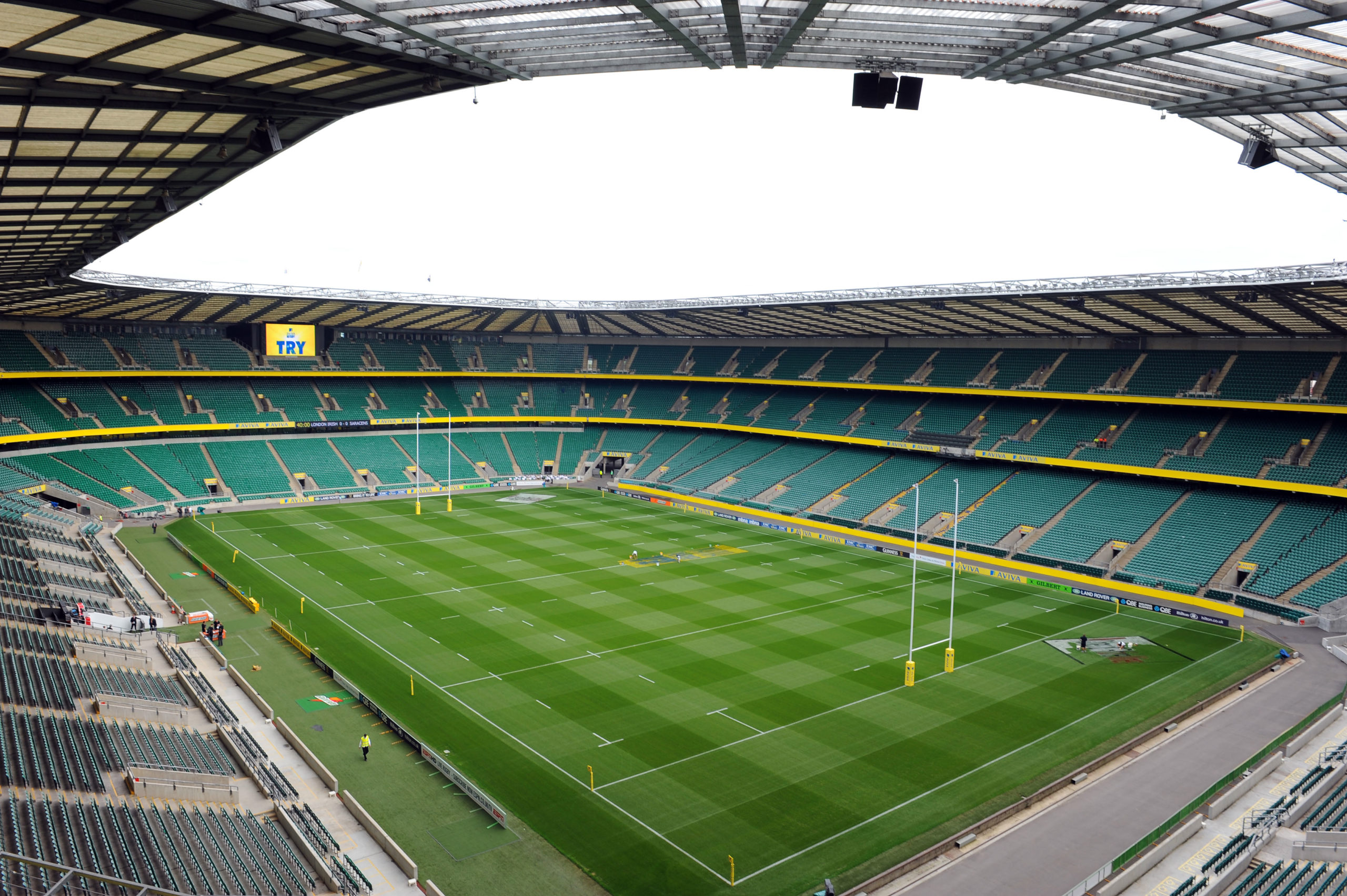
Professional rugby offers an exciting career path for athletes who combine physical ability, tactical awareness, discipline, and a willingness to improve. However, reaching the highest level requires much more than natural strength or speed. Aspiring players must develop technical skills, understand the demands of their position, compete consistently, and build relationships with coaches and clubs. For readers of The Rugby Paper, understanding this journey provides a closer look at how promising amateurs become professional athletes.
Rugby’s modern professional environment also extends beyond the training ground. Players, coaches, and supporters increasingly use digital platforms to follow competitions, analyse results, and access sports-related information. Services such as bizbet form part of this broader online sports environment, where accessibility and dependable digital infrastructure matter to users. Anyone exploring commercial sports platforms should independently verify their licensing, security practices, and local legal requirements before using them. For aspiring rugby players, however, the most important investment remains the time and effort devoted to developing their game.
A professional career rarely follows a perfectly straight line. Some players progress through school and university programmes, while others emerge from community clubs, regional competitions, or development pathways. The key is to understand how the rugby system works and prepare for opportunities before they arise.
1. Building the Foundations: Skills, Fitness, and the Right Position
The first step towards professional rugby is developing a strong foundation. Young players should learn the basic techniques of passing, tackling, catching, running with the ball, and supporting teammates before concentrating exclusively on advanced tactics. These fundamentals become increasingly important as the pace and physical intensity of competition rise.
Joining a recognised local club is often one of the most effective starting points. Regular training introduces players to structured coaching, match preparation, positional responsibilities, and the discipline required to compete as part of a team. It also gives coaches an opportunity to assess strengths and identify areas for improvement.
Choosing the right position is another important decision. Rugby union has fifteen players per side, each with different responsibilities. Although athletes can develop across several roles, understanding positional demands helps them focus their training.
- Props and hookers: Front-row players need strong body positioning, scrummaging technique, upper-body strength, and the ability to perform repeated efforts in contact.
- Locks: These players require physical power, lineout skills, coordination, and the mobility to contribute around the pitch.
- Back-row forwards: Flankers and number eights benefit from tackling ability, breakdown awareness, carrying power, and strong work rates.
- Half-backs: Scrum-halves and fly-halves need accurate passing, tactical awareness, communication skills, and quick decision-making.
- Centres: These players combine defensive organisation, acceleration, effective running lines, and the ability to distribute the ball under pressure.
- Wingers and fullbacks: Speed, positional awareness, aerial skills, counter-attacking ability, and reliable defensive decisions are particularly valuable.
Physical preparation should reflect these responsibilities. Strength training helps players generate force and maintain stability during contact, while sprint training improves acceleration and top-end speed. Aerobic conditioning supports recovery between intense efforts, and mobility work helps athletes move efficiently.
However, more training does not automatically mean better development. Excessive workloads can lead to fatigue, reduced performance, and injury. A well-designed programme balances progressive training with recovery, adequate nutrition, hydration, and sufficient sleep.
Technical competence should remain central throughout this process. A powerful athlete who cannot tackle safely, pass accurately, or understand defensive spacing will struggle to progress. Coaches value players who consistently execute fundamental skills, communicate clearly, and respond positively to feedback.
2. Entering Rugby Academies and Getting Noticed by Clubs
Once a player has established reliable fundamentals, the next objective is to find an appropriate development pathway. Depending on the country and competition structure, this may involve school teams, university rugby, regional representative sides, club development programmes, or professional academies.
Academies provide structured environments in which selected players receive specialist coaching and performance support. Programmes may include strength and conditioning, technical sessions, video analysis, nutritional guidance, and education about recovery and injury prevention. Selection criteria vary, and academy participation does not guarantee a professional contract.
For aspiring professionals, visibility matters, but it should be built on genuine performance rather than self-promotion alone. Coaches and talent scouts assess players in training and competitive matches, looking for evidence that their abilities can translate to higher levels.
Several practical steps can improve a player’s chances of being considered:
- Compete consistently: Regular appearances give coaches a clearer picture of reliability, decision-making, and performance under pressure.
- Seek constructive feedback: Ask coaches to identify specific technical and tactical weaknesses, then demonstrate measurable progress.
- Attend legitimate trials: Check eligibility requirements, coaching credentials, registration procedures, and any associated fees before committing.
- Prepare a concise playing profile: Include age, position, physical measurements where relevant, playing history, representative honours, and contact details for appropriate references.
- Create useful match footage: Short clips should demonstrate decision-making, defensive work, support play, and positional skills rather than only highlight-reel moments.
- Maintain academic or vocational options: Education and transferable skills provide stability while a sporting career develops.
Video can help clubs evaluate players who live outside their immediate recruitment area. Nevertheless, footage rarely replaces direct observation. Coaches need to see how an athlete responds to mistakes, communicates with teammates, and performs when the opposition targets a weakness.
Networking should also be approached professionally. Maintaining respectful relationships with coaches, attending club events, and communicating clearly can help players learn about legitimate opportunities. Promises of guaranteed contracts in exchange for substantial upfront payments should be treated cautiously.
Competition level matters as well. A player dominating a local league may still need time to adapt to faster defensive lines, greater contact intensity, and more sophisticated tactical systems. Progression should be measured by readiness for the next challenge, not simply by the prestige of a club’s name.
3. What Professional Coaches Look For Beyond Physical Talent
Athletic ability can open doors, but professional rugby demands a combination of physical preparation, technical execution, tactical intelligence, and personal reliability. Coaches need players who can contribute to a game plan and maintain their standards throughout a demanding season.
Physical benchmarks vary considerably by position and playing style. Forwards may require exceptional strength and repeated contact capacity, whereas backs often need greater emphasis on acceleration, high-speed running, and rapid changes of direction. All players, however, must be able to perform their core duties while fatigued.
Technical consistency is equally important. A prop must maintain safe scrummaging mechanics; a lineout caller needs to communicate clearly; a fly-half must recognise defensive patterns; and a fullback must judge when to counter-attack or return the ball tactically.
Professional environments also place considerable emphasis on decision-making. Players must recognise when to retain possession, when to kick for territory, and when to exploit space. They need to understand their team’s defensive system and respond quickly when a match changes direction.
The following qualities often distinguish promising athletes from players ready for professional responsibilities:
- Coachability: The ability to accept criticism, apply instructions, and make adjustments without becoming defensive.
- Consistency: Delivering reliable performances across training sessions and matches rather than relying on occasional outstanding moments.
- Communication: Sharing information clearly during attacking phases, defensive transitions, and set-piece preparation.
- Discipline: Avoiding unnecessary penalties, maintaining professional standards, and understanding the consequences of poor decisions.
- Resilience: Recovering constructively from selection disappointments, mistakes, and periods of reduced form.
- Team-first thinking: Making decisions that improve collective performance rather than pursuing individual statistics or recognition.
Injury management is another essential part of a sustainable career. Rugby involves collisions and physical demands that cannot be eliminated entirely. Players should follow qualified medical advice, report symptoms promptly, and complete rehabilitation before returning to unrestricted competition.
Suspected concussion requires particular care and appropriate medical assessment. Continuing to play while experiencing possible concussion symptoms can create serious risks. A professional attitude means protecting long-term health, even when selection pressure is intense.
Finally, professionalism begins before a player receives a salary. Arriving prepared, following training plans, communicating honestly about injuries, and respecting teammates demonstrate habits that coaches can trust.
4. Contracts, Career Management, and Long-Term Development
Securing a professional contract is an important milestone, but it is not the end of the development process. Players must continue improving while adapting to increased expectations, competition for selection, travel, media attention, and the financial realities of elite sport.
Contract structures differ between countries, leagues, and clubs. Some athletes enter full-time professional environments, while others combine rugby with education or employment. Contract length, remuneration, performance incentives, insurance, medical provisions, and termination conditions can all affect a player’s circumstances.
Before signing an agreement, an aspiring professional should understand its terms and seek qualified advice where necessary. An experienced players’ association, licensed representative, or independent legal adviser may help clarify contractual obligations and protect the athlete’s interests.
Digital tools can also support career organisation, from reviewing match footage to tracking training schedules and following competition information. Players who explore sports applications should obtain software through verified sources and check the permissions requested by their devices. For those specifically looking for mobile access to an online sports service, bizbet download is an example of a dedicated mobile destination. Users should verify the authenticity of the source, the application’s requirements, and the legality of the service in their jurisdiction before downloading or registering.
Beyond digital access, long-term planning should cover financial management, education, personal relationships, and preparation for life after competitive rugby. Even talented players can experience interrupted careers because of injury, selection changes, or shifts in club finances.
Practical priorities include:
- Understand the contract: Review salary, duration, bonuses, insurance, medical support, and obligations before signing.
- Build financial discipline: Budget carefully, understand tax responsibilities, and avoid making long-term commitments based on uncertain future earnings.
- Continue learning: Develop qualifications and transferable skills that remain useful beyond playing.
- Manage workload: Work with coaches and medical professionals to balance training, matches, and recovery.
- Protect reputation: Communicate professionally, respect teammates, and maintain responsible conduct online and offline.
- Plan for transitions: Consider coaching, sports science, analysis, management, or another career path well before retirement becomes immediate.
A professional rugby career can be rewarding, but it is rarely predictable. Some athletes progress rapidly, while others spend years developing before earning a regular place in a senior squad. Adaptability, patience, and realistic planning are therefore just as valuable as ambition.
Conclusion
Building a professional rugby career requires a deliberate combination of technical development, physical preparation, competitive experience, and sound decision-making. The strongest pathways begin with good coaching and consistent participation, then progress through appropriate competitive opportunities and a willingness to learn.
Talent matters, but it is only one part of the equation. Players who understand their positions, communicate effectively, protect their health, and respond constructively to setbacks give themselves a stronger foundation for progression.
For aspiring professionals, the objective is not simply to attract attention from a major club. It is to become a dependable player who can meet the demands of the next level and continue improving over time. That approach offers the most sustainable route from grassroots rugby to the professional game.



The best betting sites












You must be logged in to post a comment Login