

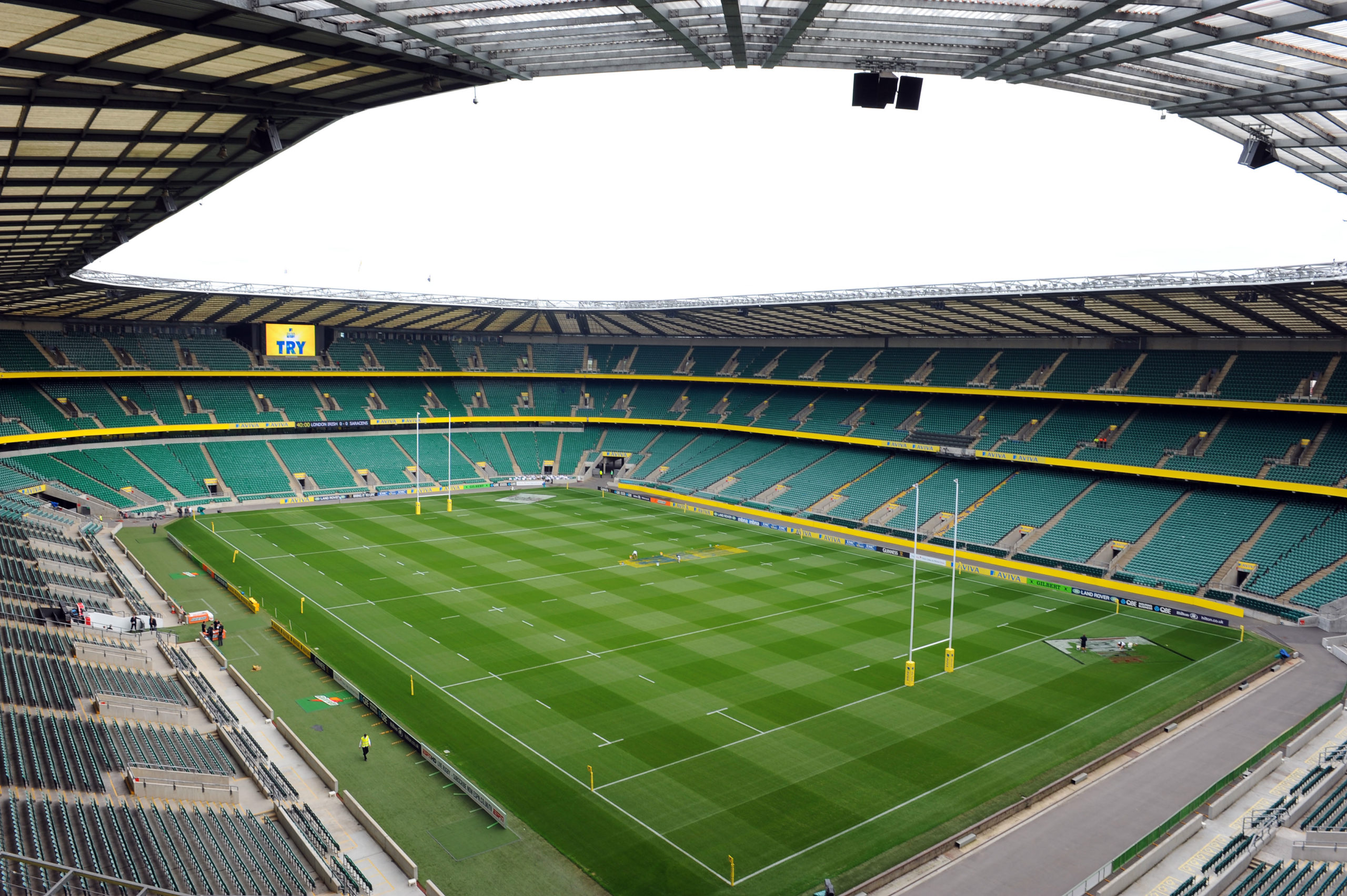
One year from now, the Wallabies will run out at Perth Stadium to open the 2027 Men’s Rugby World Cup. Six weeks later, on 13 November, someone will lift the Webb Ellis Cup at Stadium Australia in Sydney.
It will be the biggest men’s World Cup yet. There will be 24 teams instead of 20 and 52 matches instead of 48. For the first time in the tournament’s history, there will be a round of 16.
That changes more than the fixture list. It changes the betting.
Twenty-Four Into Sixteen: How the Format Works
The old shape of four pools of five has gone. In its place are six pools of four, drawn last December:
| Pool | Teams |
| A | New Zealand, Australia, Chile, Hong Kong |
| B | South Africa, Italy, Georgia, Romania |
| C | Argentina, Fiji, Spain, Canada |
| D | Ireland, Scotland, Uruguay, Portugal |
| E | France, Japan, United States, Samoa |
| F | England, Wales, Tonga, Zimbabwe |
The top two in each pool go through. They are joined by the four best third-placed teams, which makes 16.
The points system is the familiar one: four for a win and two for a draw. A try bonus point comes with four or more tries, and a losing bonus point with defeat by fewer than eight points.
What is new is how the third-placed teams are separated. They are ranked against each other across all six pools on pool points first, then points difference, then points scored, then tries scored. If they are still level after all that, the World Rugby rankings of 18 October 2027 decide it.
The round of 16 is played on 23 and 24 October. The quarter-finals follow a week later, and the final is on 13 November.
Why Third Place Suddenly Has a Price
For 20 years, third in a World Cup pool meant a flight home. From 2003 to 2023, only the top two went through.
Now third can mean a knockout tie. That gives real value to markets that used to be an afterthought: to qualify from the pool, finishing position, and the permutations of who makes up the best four thirds.
It also turns points difference into a currency that crosses pools. A team that finishes third behind two strong sides can still bank margin against a much weaker fourth. Hong Kong are ranked 23rd in the world and Zimbabwe 24th. A heavy win over either could matter in a straight comparison with a third-placed team in a pool without that kind of opponent.
Bonus points matter more too. A losing bonus point in a narrow defeat to one of the giants may end up being the difference between a round-of-16 place and an early exit.
The pools where the fight for third looks most interesting sit just below the favourites. In Pool B, Italy, Georgia and Romania are chasing behind South Africa. In Pool C, Fiji, Spain and Canada are behind Argentina. In Pool E, Japan, the United States and Samoa are behind France. In all three, one result could swing a team from third to fourth, and from the knockouts to home.
Second Place Could Be the Trap
The bracket is fixed for pool winners and runners-up, and it has a sting in it.
The winner of Pool E plays the runner-up of Pool D in the round of 16. On paper, that means France against whichever of Ireland and Scotland finishes second. The Ireland–Scotland pool match therefore decides more than bragging rights. It may decide who has to face the hosts of the last World Cup in the first knockout game.
The rest of the bracket follows the same logic. The Pool F winner meets the Pool B runner-up, the two runners-up from Pools A and E meet each other, and so do the runners-up from Pools C and F. Third-placed teams from Pools A to D can only land in one round-of-16 tie each, while thirds from Pools E and F can fill any of the four slots.
That makes pool-winner markets more interesting than they used to be, because the pool position now shapes the route.
Here is how the outright market has looked since the draw:
| Team | Betfair, after the draw (Dec 2025) | Spreadex, summer 2026 |
| South Africa | 9/4 | 7/4 |
| New Zealand | 7/2 | 5/1 |
| France | 9/2 | 2/1 |
| England | 5/1 | 7/1 |
| Ireland | 6/1 | 10/1 |
| Australia | 9/1 | 12/1 |
| Argentina | 20/1 | 12/1 |
South Africa, the two-time defending champions, head both lists. France’s price has shortened the most between the two snapshots, though they come from different firms and prices will move again before next October.
Football Has Been Here Before
Rugby is new to this, but football is not. Euro 2016 was the first 24-team European Championship, and it used exactly the same rule: top two through, plus the four best thirds.
The team that made the most of it was Portugal. They drew all three of their group games, finished third in Group F and scraped into the round of 16. Less than three weeks later they beat France 1-0 in extra time in the final, becoming the first winners of a Euros or World Cup to have finished third in their group.
Finishing third also put them in the kinder half of the draw, away from Spain, England, Germany, France and Italy.
Rugby is a different animal. Upsets are rarer, and in 2027 a third-placed side meets a pool winner in the round of 16, so the path is harder than Portugal’s was. But the broader lesson carries over: expanded formats reward reading the bracket, not just the table. Football fans have watched it happen across several tournaments, and Matchday Report, the independent football news site, covers international tournaments from the Copa América to the Africa Cup of Nations.
Each-Way Thinking Comes to Rugby
Racing punters have always understood that finishing close can still pay. In a big-field handicap such as the Royal Hunt Cup, where Royal Ascot Races counted eight horses finishing inside four lengths, each-way terms are how a near miss gets rewarded.
World Cup outright markets already borrow the idea. Some bookmakers offer each-way terms of a third of the odds for the first two places, which in practice pays out for reaching the final.
The new format pushes that thinking further down the tournament. A team doesn’t have to win its pool, or even finish second, to keep a qualification bet alive. For the first time, third place is a result worth something.
The Catch
None of this comes without risk.
A year is a long time in international rugby. There are injuries to come, coaching changes, and a full season of Tests before anyone lands in Perth. Any price taken now ties up money for more than 12 months, and the prices in the table above will look very different by next September.
More matches also means more mismatches. Hong Kong and Zimbabwe were quoted at 5000/1 by Spreadex, a reminder that expansion widens the gap between the top and bottom of the field as well as the opportunity.
Anyone betting on the tournament should stick to UK-licensed bookmakers and set a budget before they start. If it stops being fun, the National Gambling Helpline is free on 0808 8020 133.
The Verdict
The round of 16 makes the pool stage matter in ways it never has before. Third place now carries a price. Second place may carry a hidden cost, especially for whichever of Ireland and Scotland ends up on France’s side of the draw. Points difference earned against the smallest nations could decide who survives.
The favourites will still be the favourites. But with a year to go, the sharpest way to read the 2027 World Cup is to start with the bracket, and only then look at the odds.



The best betting sites













You must be logged in to post a comment Login