

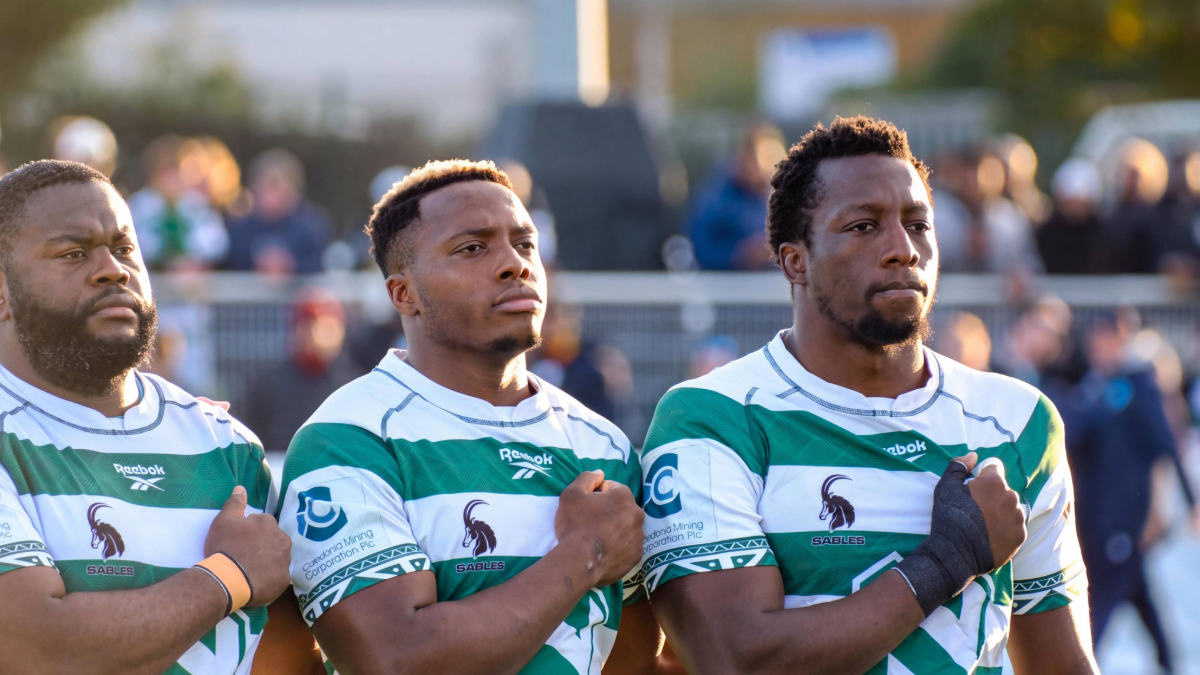
After more than three decades away from the Rugby World Cup, Zimbabwe are building more than a team for Australia 2027.
With renewed investment, an expanding international programme and a growing pool of talent, the Sables are beginning to show they can compete on a much bigger stage.
For Zimbabwe’s Sables, the journey back to the Rugby World Cup has been about considerably more than what happens on the pitch.
After winning the 2024 Rugby Africa Cup, Zimbabwe successfully defended their title in July 2025, defeating Namibia 30-28 in a dramatic final to secure qualification for Australia 2027. It ended a 34 year wait for a return to the tournament, having last appeared in 1991.
Direction
But speaking to assistant head coach Ricky Chirengende, it is clear that the foundations of this achievement were laid well before that historic afternoon. “When I joined the Sables in January 2024, they were almost the forgotten child of Zimbabwean rugby,” he explained.
At the time, the U20 programme was enjoying considerable success, whilst the senior national side lacked resources, recognition and a clear sense of direction.
The starting point was simple: get players together, get them training and begin rebuilding the environment around the team.
Ricky identified three factors behind the transformation: the financial backing and commitment of the Sables Trust, a renewed emphasis on player welfare and head coach Pieter Benade assembling a coaching group united behind one vision.
Previous generations had felt neglected, so improving the experience of players became central to the programme.
The scale of the progress is perhaps best illustrated by how quickly things changed. From rebuilding the squad in early 2024 to securing World Cup qualification just eight months later was, in Ricky’s words, “mind blowing”.
However, qualification was never intended to be the end of the journey.
Opportunities
The introduction of the World Rugby Nations Cup has provided Zimbabwe with an opportunity to test themselves against a wider range of international opposition.
Their July campaign took them to the United States and Canada, where they faced Tonga, the USA and Canada, before returning to Europe for the November fixtures against Samoa, Uruguay and Chile.
For a developing rugby nation, these opportunities are invaluable.
Playing in the United States and England for the first time in this international programme has also helped raise the profile of the Sables, exposing the squad to different rugby environments and giving Zimbabwean supporters overseas an opportunity to reconnect with their national team.
Their latest outing against Uruguay at Trailfinders Sports Ground in London offered perhaps the clearest indication yet of the progress being made.
Although the Sables eventually fell to a narrow 20-15 defeat, the performance told a more encouraging story than the result alone.
Zimbabwe led 15-14 at half time, with captain Tinotenda Mavesere and flanker Godfrey Muzanargwo both crossing the line after Jason Robertson had opened the scoring with a penalty.
There was a genuine opportunity to secure a historic first victory over the South Americans, who have featured at the last three Rugby World Cups however, injury disruptions, including a significant blow to Matthew McNab which forced him from the field in the first half, affected Zimbabwe’s plans.
Uruguay’s experience ultimately proved decisive, with two second half penalties settling the contest.
There is a strong argument that, had Zimbabwe been able to maintain their intended combinations and avoid those injury setbacks, the outcome could have been very different.
Nevertheless, the significance of the performance should not be underestimated.
Performance
Zimbabwe were not simply making up the numbers against an established World Cup nation. They were leading, scoring two well worked tries and pushing their opponents to the final stages.
For the coaching group, the opportunities also extend to players beyond the established squad. Zimbabwe have actively encouraged players based overseas, particularly those in the diaspora, to join training sessions and engage with the programme whenever possible.
“We always want the best players playing for their country,” Ricky explained. The approach is about making the national team accessible and ensuring that players understand the culture, expectations and direction of the programme, wherever they currently play their rugby.
Looking further ahead, Ricky believes regular exposure to Pacific Island opposition, South American sides such as Uruguay and Chile, and physically demanding teams such as Georgia would provide valuable development.
His own experience has also changed considerably since joining the coaching group. Exposure to different international environments and high performance specialists has reinforced the importance of continually learning.
Zimbabwe have already restored their place on rugby’s biggest stage. But the more significant achievement may be what is happening behind the scenes: a national programme with greater ambition, a wider talent pool and a growing belief that the Sables belong in international rugby.
Australia 2027 will provide the ultimate test but for now, Zimbabwe are showing that their return is about more than simply being back. They want to compete, they want to develop, and they want to stay.
READ MORE: Ben Earl glad England can’t be on receiving end of ‘brilliant’ Will Joseph moves


Autumn Internationals
Steve Borthwick explains how England predecessors helped him block out the noise

Autumn Internationals
England make 10 changes for Japan clash as George Ford returns at fly-half


The best betting sites

















You must be logged in to post a comment Login