

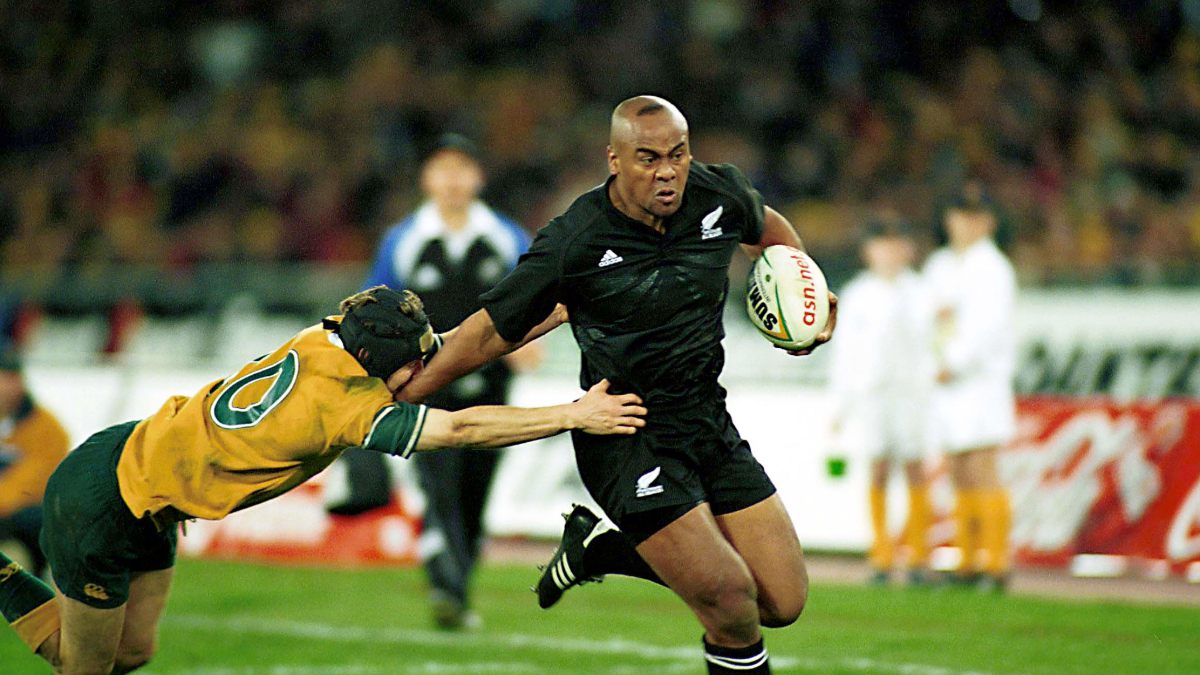
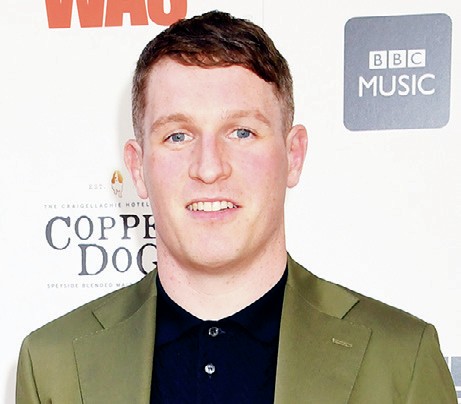
Q: The release is getting close now. How excited are you for people to finally see the film?
Making a documentary is such a long journey that by the end of it you’re almost worn out. But it’s brilliant to finally be at this point and I just hope as many people as possible get to see it – rugby fans and people who may never have heard of Jonah. It’s a story that can land across different audiences, so hopefully we can get those cinemas nice and full on September 7.
Q: What did you enjoy most about making the documentary?
As a fan of Jonah, it was a huge honour just to get the opportunity to direct it. The shoots themselves were probably the most amazing part. We travelled to New Zealand twice and also went to Tonga. It was surreal being in Jonah’s house, the same house where he grew up, because it really hasn’t changed. I’d already seen archive images of it and suddenly you’re standing in that room with his mother and his brother. You get a real sense of him there. There was almost a presence to the place, which sounds strange, but Jonah had that sort of aura. I never got to meet him. I saw him play once for Cardiff Blues, but that was it, so I felt a real responsibility to get his story right. One of the greatest endorsements has been his family getting behind the film. That means a lot to us.
Q: Jonah’s story is incredibly complex. What was the hardest part of putting it together?
Before you start making a documentary, you almost write the story in your head, but you have to remain open because the story that’s already out there might not necessarily be the one that feels true once you’ve spoken to everybody. It was about meeting all these people and trying to find the truth – or at least a version of it that felt as fair as possible. We wanted to get a lot of nuance into the film. Jonah’s story has previously perhaps been told in a way that was easier for the Western world to understand, but once you bring in the Tongan cultural elements of his upbringing and that foundation, everything becomes much more complex. You have to understand both ways of looking at his story. At the same time, you’ve still got to balance that with all the sporting action and make something entertaining that audiences can enjoy.
Q: What was the personal inspiration behind making it?
I was a huge fan of his. Some of my earliest sporting memories are of watching Jonah play and I was always rooting for him, even though he was the one running over us! You wanted him to succeed because he had that unbelievable X-factor. Yet he constantly faced adversity. It was one challenge after another throughout his life and I was really drawn to that aspect of his story.
Q: Why did it feel like the right time to make the film now?
His life was very complicated. People needed time to heal and grieve. Ten years after his passing, people were much more open. They’d had time to process a lot of that grief and were ready to talk. For some of the people closest to him, being involved was quite a cathartic experience. Sometimes documentaries like this come out very quickly after somebody dies, but I think this story needed time to sit. People needed time to think about everything, and that’s why this felt like the right moment.
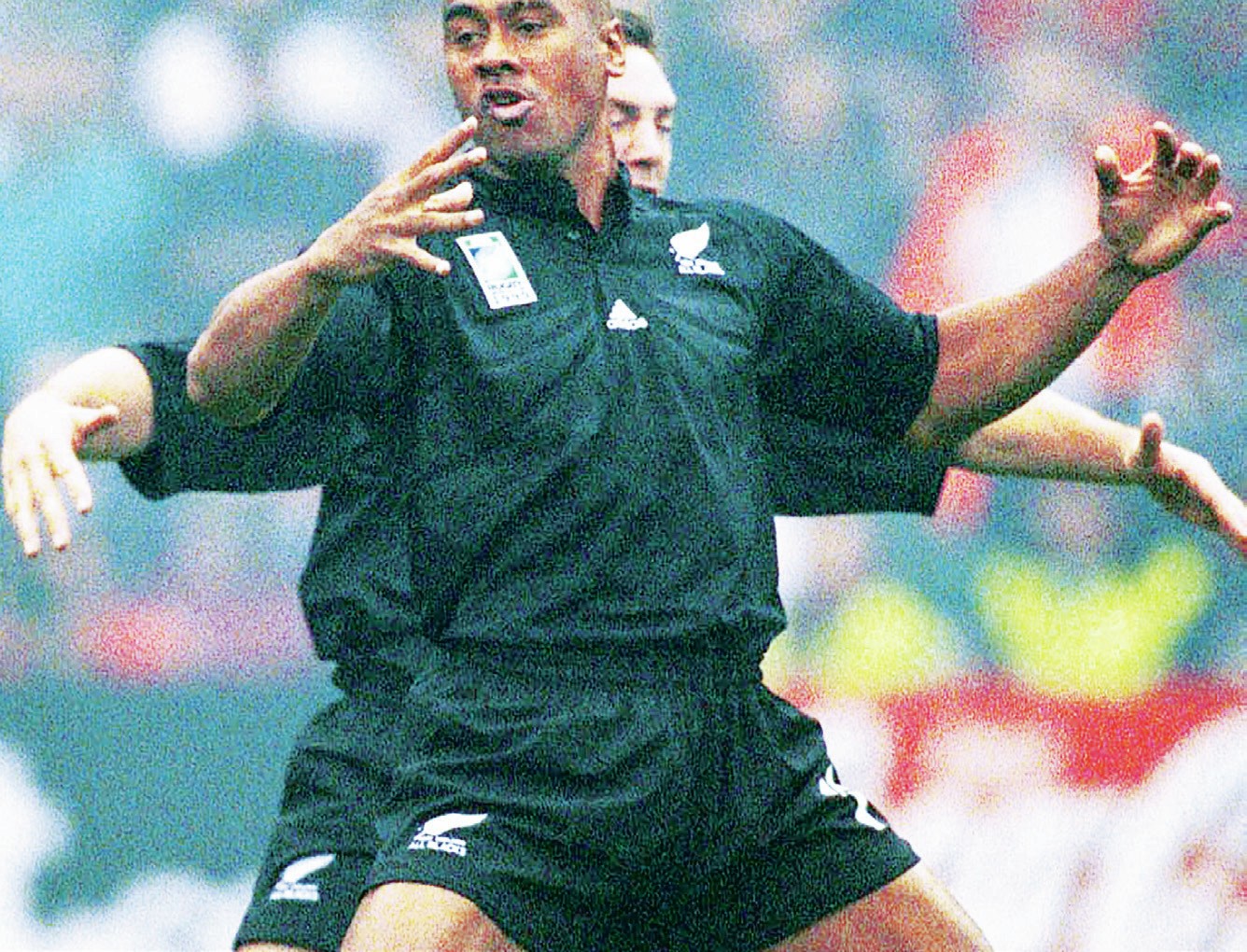
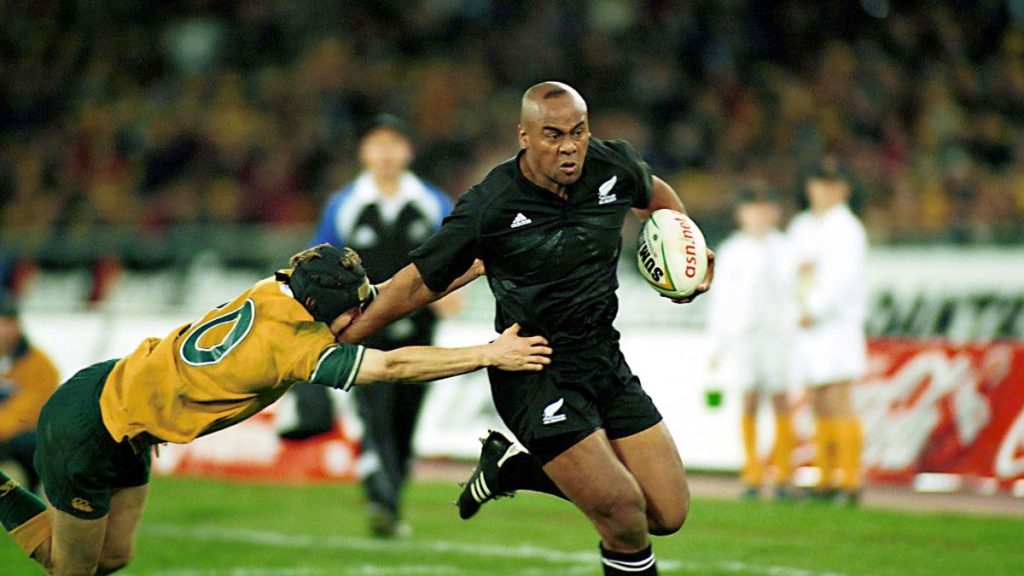
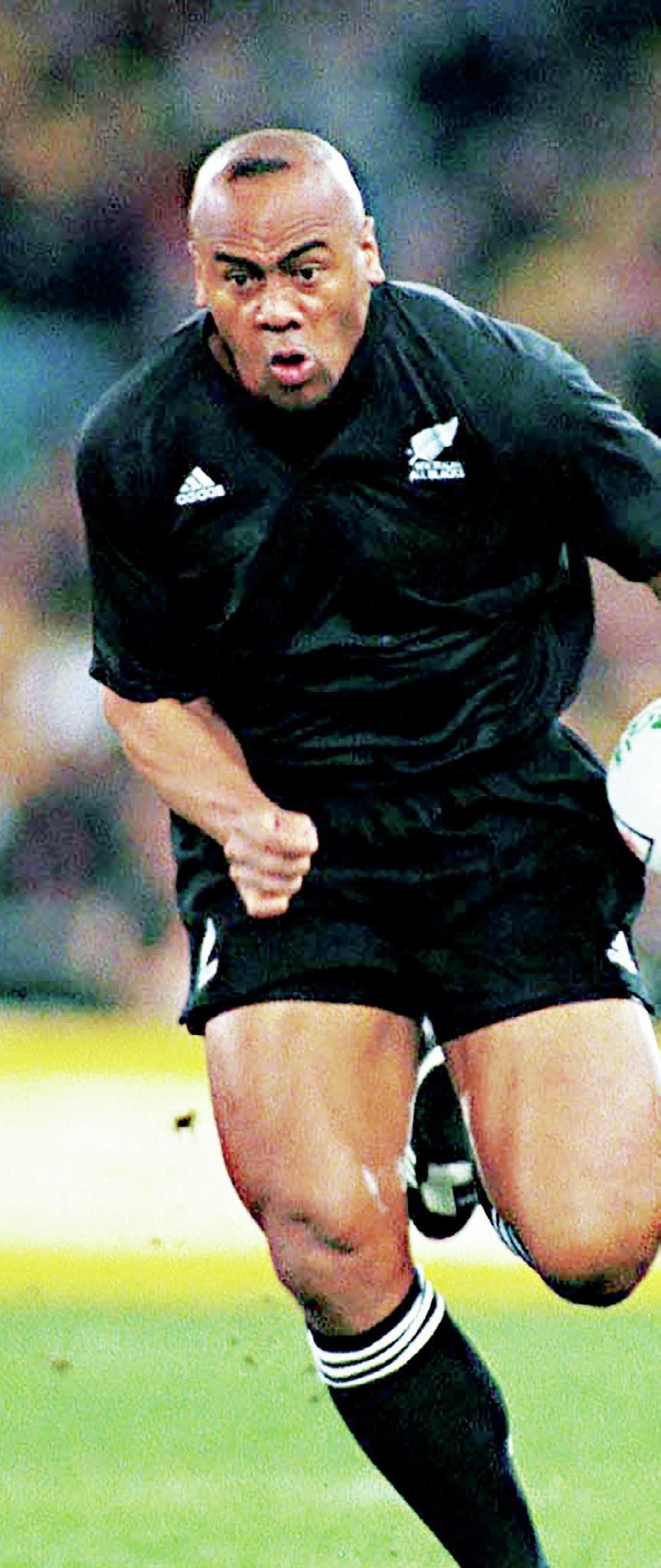
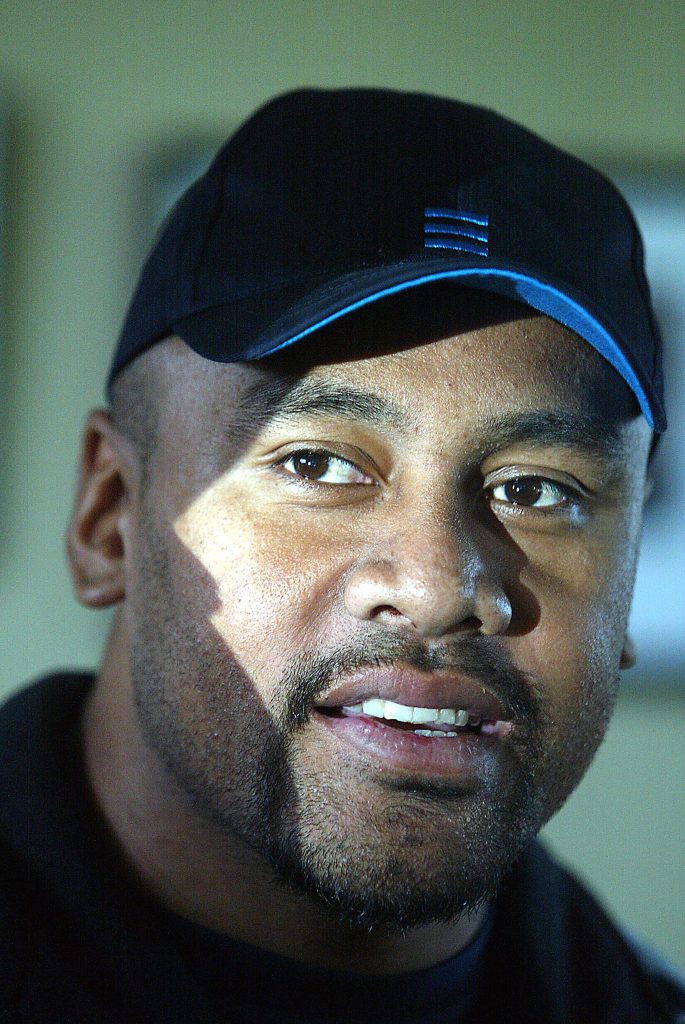
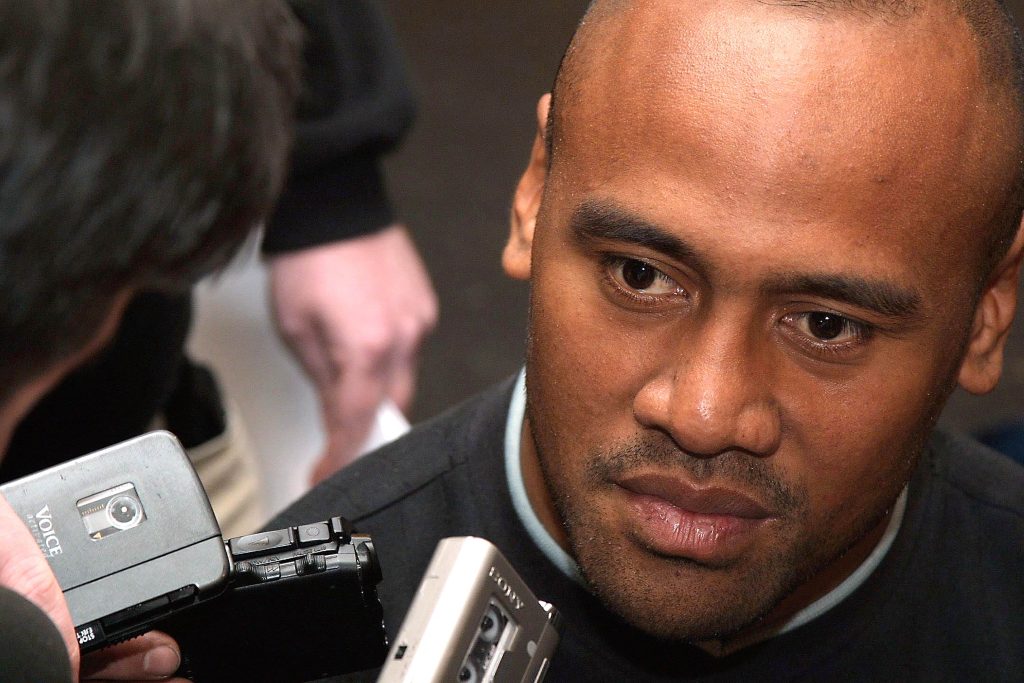 Up close and personal: Jonah facing the media, above, doing the Haka and, below, at RWC1999
Q: It’s difficult now to fully grasp just how big a global superstar Jonah was. How challenging was it to convey that?
He was certainly rugby’s first superstar of that kind. The game grew with him. It was really interesting digging through all the archive, but surprisingly there wasn’t as much available as we’d expected. It was a time of videotapes and a lot of material was probably lost or simply wasn’t accessible. Even getting across the scale of his superstardom was more challenging than you might imagine. A lot of the archive that did exist was in New Zealand, so creating that wider global picture took some work. But when you speak to people, they tell you that Jonah could walk down a street in Japan or almost anywhere else in the world and people knew who he was. He transcended rugby.
Q: That is particularly striking because the All Blacks traditionally stress that nobody is bigger than the jersey.
Exactly. The All Blacks almost have this regiment-like element to them. I remember Sean Fitzpatrick telling me his All Black number and that’s almost like joining the army. You join this regiment, this crest and this jersey, and become part of that fraternity. But Jonah was a special case. The game was already heading towards professionalism, but he absolutely accelerated it. After the 1995 World Cup there was this period sometimes referred to as the rugby wars, with media figures such as Kerry Packer and Rupert Murdoch looking at the sport. When Jonah ran through the England defence, suddenly rugby had its superstar. It had the face of the game. That helped push rugby towards becoming professional and more global. The All Blacks don’t really want somebody to become bigger than the sport, but Jonah came as close to that as anybody.
Q: His journey from a very humble upbringing in South Auckland to global superstardom is extraordinary. How did you approach that contrast?
It was about getting as many perspectives as possible. We also had Jonah speaking throughout because we listened to a huge amount of archive interviews with him. South Auckland has sometimes been portrayed almost purely as this gangland environment, but that’s far too simplistic. There were obviously social problems and gangs, but it was also a vibrant community. The Pasifika community is incredibly close and family is everything. Jonah grew up with a very Tongan upbringing, which is much more about the collective than the individual. It’s also deeply religious. There would have been lots of relatives passing through the family home, perhaps staying there before finding work or sorting out their visa status. His father was a preacher as well. It was a very different upbringing to a lot of his All Blacks teammates. When people talk about Jonah being humble and giving back to others, a lot of that was rooted in his Tongan upbringing.
Q: There is a very emotional sequence when Jonah returns to Tonga and reconnects with his family. How important was that?
It’s amazing that footage exists. It was from that period when people had obviously spotted this incredible talent in Jonah and somebody had picked up a video camera and started filming him. You get a real sense of his childhood through it. There’s a scene in Tonga where food is laid out and everybody is sitting together and receiving a blessing. His aunt and uncle had raised him from a very young age until he went to primary school, and they didn’t have children of their own. So when he returns to see them, it’s incredibly emotional. Jonah had quite a fractured sense of identity and upbringing, and I think that followed him through his life. Identity became one of the key themes of the film.
Q: The documentary also tackles sensitive subjects around his childhood and relationship with his parents. How did you approach those?
He was always close to his mother and that relationship was very important. It must have been incredibly difficult for her to leave him to be raised in Tonga while she went away to earn money so they could eventually have a home. I’m sure that wasn’t a decision taken lightly, but it clearly affected Jonah. He was more distant from his father and there were issues there. Whenever you’re dealing with something like that, you’ve got to let everybody have their voice. We wanted Jonah’s perspective and the family’s perspective and then tried to find the fairest version of the truth. There is also cultural context to consider. Physical discipline was much more commonplace at the time, particularly in Tonga, and traditional Tongan fathers would have had a particular way of raising their children. That doesn’t mean it didn’t affect Jonah, because it obviously did. One of the interesting things is what happens when you take those traditional island values and put them into a modern city. They don’t always translate perfectly. Jonah ultimately had to forge his own identity. He was Tongan, he was Kiwi and he had his own style. He didn’t necessarily do everything that a traditional Tongan upbringing might have expected of him. That created tension in his life. It was hard to be Jonah.
Q: One of the feelings the film leaves you with is sadness over what Jonah might have achieved without his health problems. Was it important not to shy away from that?
Absolutely. We’re talking about somebody who died at 40. There were sporting achievements that he never quite got to experience as well. There isn’t this perfect Hollywood ending where he comes back and wins a World Cup. His story wasn’t that neat. So you have to look at the full picture. The important thing is also what you can learn from Jonah’s story and how future generations of Pasifika and Tongan athletes can be better protected. Those players – men and women – are incredibly important to rugby now. We deliberately leave some questions open-ended in the film, such as who Jonah ultimately belongs to. We don’t necessarily give the audience an answer. We want people to think about it and bring their own perspective. It isn’t a sweet, happy ending, but there is still enormous warmth around Jonah and what he achieved. He’s almost that guy everybody remembers from school who was a foot taller than every-body else, nobody could tackle him, yet he was still a gentle giant. Hopefully that’s part of the legacy people remember.
Q: How did making this compare with your previous documentaries?
It was a very different challenge. In much of my previous work, I’ve been film-ing somebody who is still there and continuing to live their story. Here you’re dealing with somebody you obviously can’t interview. That meant it had to be much more considered. A lot of the work happened in the edit, going through old tapes and piecing everything together. We were fortunate that the contributors spoke from the heart and did an amazing job. Hopefully we’ve managed to create a cinematic telling of Jonah’s life that feels bigger than simply a sports story.
Q: How important is it for people to experience it on the big screen?
I think this film plays best in a cinema. Bring your friends and family and watch it on the big screen because it’s a sporting story like no other. You’ll never see another player like him. Jonah was six foot five – he looks best on the big screen!
Q: Is there anybody in rugby today who could ever reach Jonah Lomu’s status?
There are obviously players who have that spark and X-factor, but Jonah was playing in a completely different era. I think he stands alone. Any coach selecting a World XV would be mad not to have him on the wing because he presented so many problems. He had the speed and strength, he could step off both feet and he was a smart rugby player as well. He didn’t make many mistakes and, for a man of his size, he didn’t drop much ball. He was just an amazing player. It’s like when people used to ask who the next Brian O’Driscoll was. There isn’t another one. New players come along and do their own thing. Jonah’s boots are simply too big to fill.
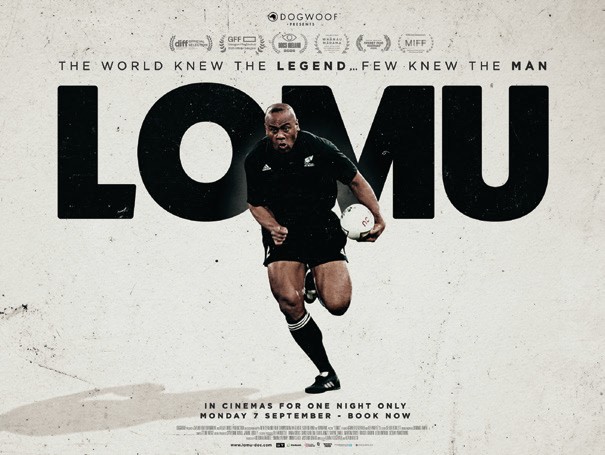
- LOMU is in cinemas for one night only Monday September 7. Book tickets at lomu-doc.com
READ MORE: Will Chudley: Henry Slade is a great role model for younger players



The best betting sites

















You must be logged in to post a comment Login