
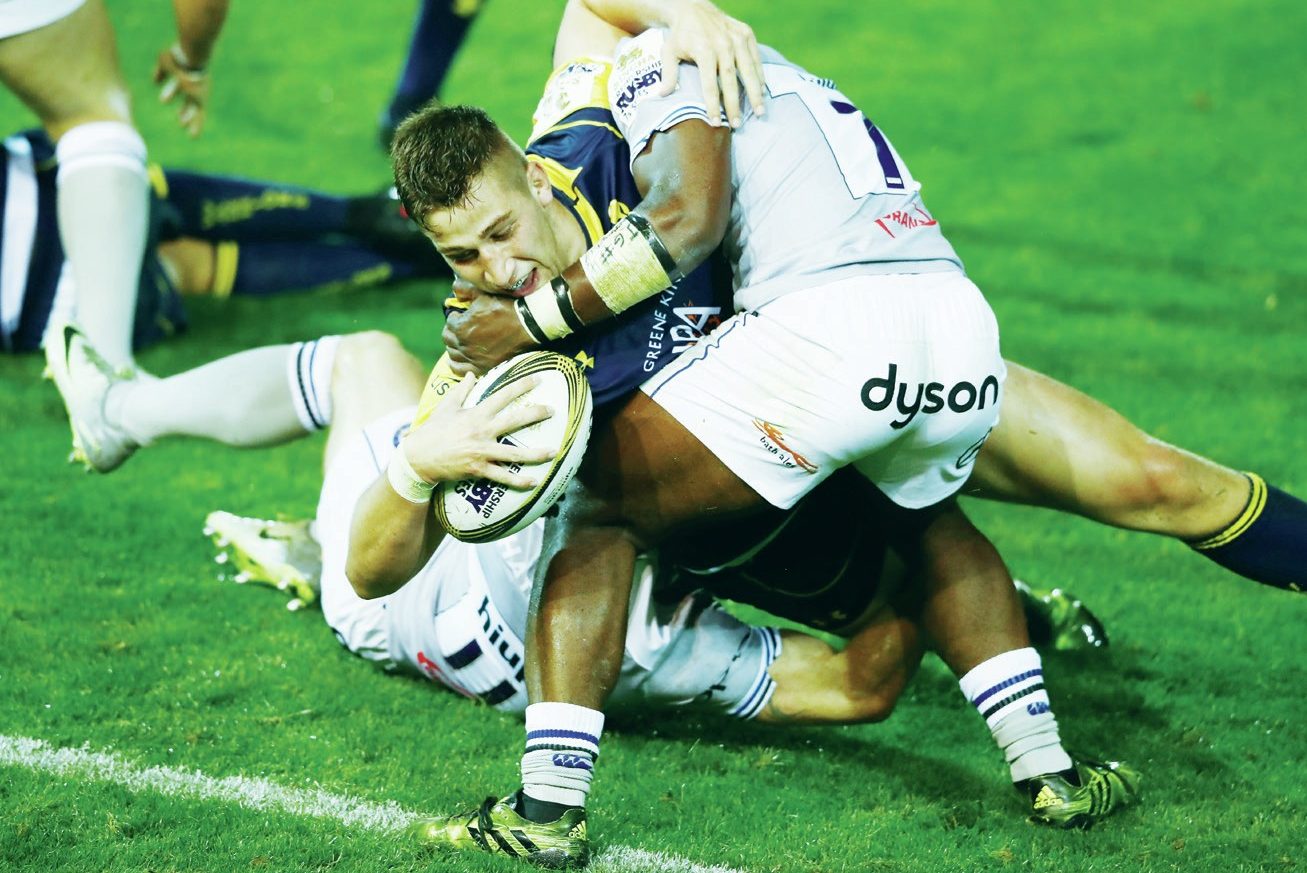
Scoring a try in a Junior World Cup final isn’t something you ever forget. I certainly haven’t.
When England Under-20s reached the 2016 final against Ireland, I was probably the least likely player on the field to get on the scoresheet – I was about 32-1 to score!
I’d managed to get one against South Africa in the semi-final and then somehow crossed again in the final as we lifted the trophy in Manchester.
Looking back, that whole tournament remains one of the proudest achievements of my career, you never know how many chances you’ll get to represent your country on a stage like that.
Journey
What made it even sweeter was the journey it took to get there.
I grew up in Worcester and came through the Warriors academy. Rugby was always a huge part of my life and I was fortunate enough to be involved in a really strong group of players coming through.
When I left school, Worcester were in the Championship, which worked out perfectly for me.
Rather than being thrown straight into Premiership rugby, I got to learn my trade in a winning environment.
That first season was brilliant. We won the British & Irish Cup and reached the A League final.
For a young player, it was the ideal introduction to senior rugby because I was playing meaningful games every week while still developing physically and technically.
Winning silverware early in your career gives you a taste for success and probably makes you a bit greedy for more.
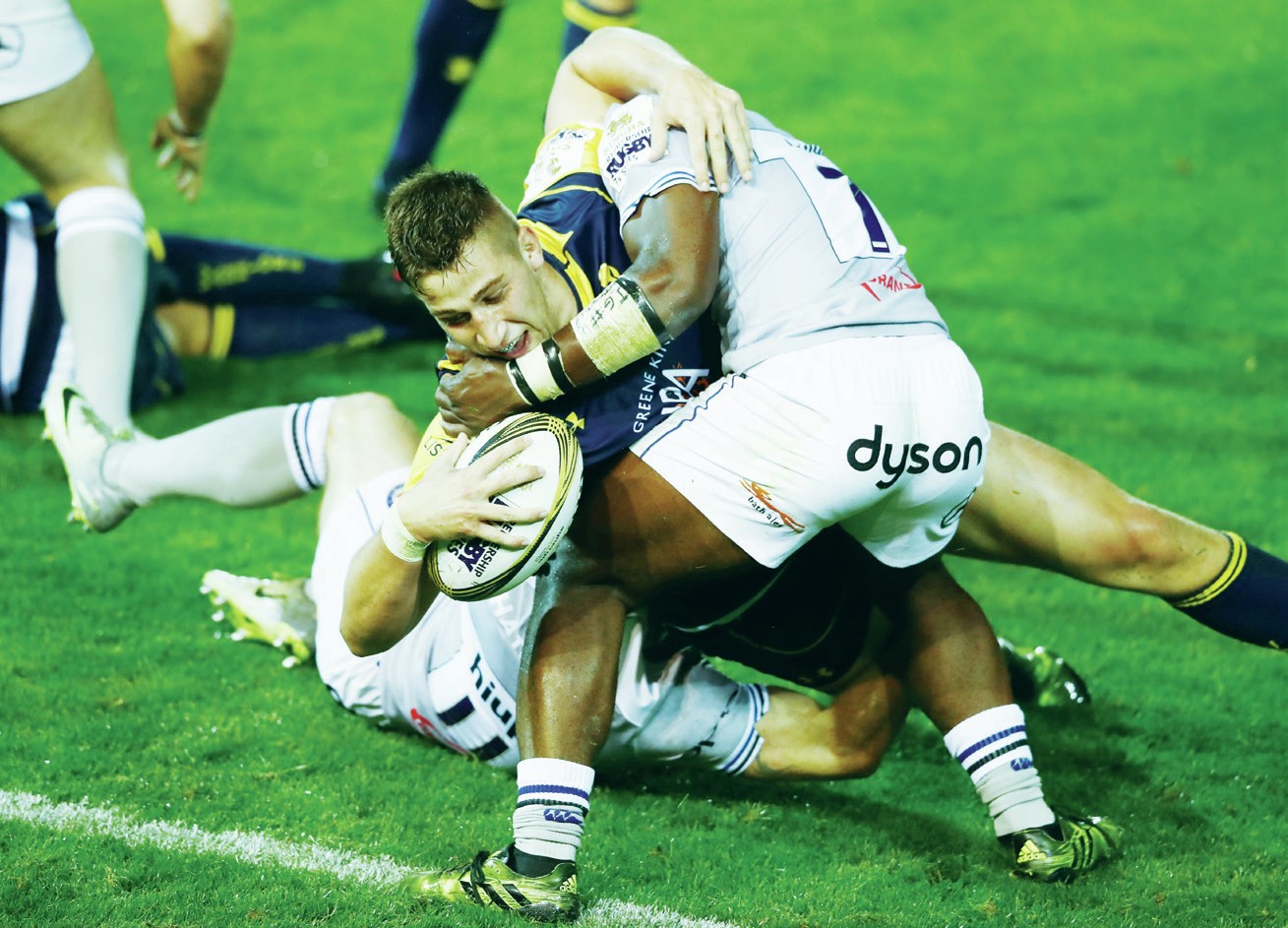 Get in: Huw Taylor scoring a try for Worcester Warriors against Bath during the Premiership 7s
PICTURE: Getty Images
Development
Around the same time, England age-grade rugby became a huge part of my development.
I’d come through the U18s setup and then started getting opportunities with the U20s.
The first year was frustrating because I missed out on the World Cup squad, but it taught me a valuable lesson about patience.
Sometimes you can be doing everything right and still not get selected. You have to keep improving and trust the process.
The following season everything came together. I played every minute of the Six Nations and World Cup campaigns and we ended up becoming world champions.
Sharing a changing room with players such as Will Stuart, Jack Willis, Sam Underhill and Joe Marchant was an incredible experience.
Many of them went on to become established internationals and it showed me the standards required at the very top of the game.
Identity
Although I represented England through the age grades, Wales was always part of my identity too.
My mother’s family comes from North West Wales and I grew up with a real passion for Welsh rugby.
The England pathway made sense for me at the time because of where I was with Worcester and the opportunities it provided, but I knew Welsh rugby would potentially feature somewhere in my story down the line.
After establishing myself at Worcester, I eventually got that opportunity. Joining the Dragons was a significant moment in my career.
Moving to Wales gave me a fresh challenge and a different environment. I spent five seasons there and genuinely loved my time at Rodney Parade.
There were some fantastic people involved with the club and some brilliant players came through during that period.
Guys like Ross Moriarty and Richard Hibbard arrived and brought huge experience and quality.
We had some memorable victories along the way and I particularly remember beating Ulster away and scoring a try.
Reaching the quarter-finals in Europe was another special achievement because it felt like we were building something and competing against strong opposition.
Life after rugby
One thing I learned during those years was the importance of adaptability. Professional rugby can change quickly.
Coaches come and go, squads evolve and opportunities appear when you least expect them. You have to keep finding ways to improve and add value.
Towards the end of my time with the Dragons, I started thinking seriously about life after rugby.
I’d always been interested in coaching and wanted to start preparing for the next chapter.
That led me to RGC, where I took on a player-coach role while working towards my Level 3 coaching qualification.
It was my first real taste of coaching and I thoroughly enjoyed it. Working with young players trying to break into regional rugby was incredibly rewarding.
There is so much talent in North Wales and being able to help some of those boys develop was something I took a lot of pride in.
At the same time, I still wanted to explore the game from a playing perspective.
I’d always promised myself I would use rugby to see the world if the opportunity came along. That’s what happened when I joined the Seattle Seawolves in Major League Rugby.
Best experience
My wife is former England women’s player Kelly Smith (now Taylor) who I met while completing a real estate degree online earlier in my career.
We moved out together Stateside and it turned into one of the best experiences of our lives.
Rugby was obviously important, but it was also about experiencing different cultures and seeing parts of the world we might never otherwise have visited.
We had a really strong squad with players from all over the world and we managed to reach the MLR final in my first season.
Travelling around America to places such as Chicago, Miami, Los Angeles and San Diego was incredible.
Rugby is still growing in the United States but you can see the potential it has over there and I loved being part of that journey.
Another perspective
From America I headed to Australia with the Hunter Wildfires in Sydney’s Shute Shield competition.
Australian rugby has such a rich history and spending time there gave me another perspective on the game.
It also coincided with becoming a father, which naturally changes the way you view your career.
Suddenly rugby isn’t just about you anymore. Every decision has to consider your family too.
This season I really enjoyed the opportunity to return to Worcester for a short period where they had picked up a few back five injuries.
I’m so grateful for the opportunity that Matt Everard gave me, to play again for my boyhood club in front of the Sixways faithful.
They seem to be building something exciting there with a great bunch of men.
I still love the game as much as I ever did, whether that’s playing, coaching or simply helping younger players find their way.
READ MORE: My Life in Rugby: Nick Selway – Siam Cup triumph is perfect way to finish


International Rugby
England stars issue 2027 Rugby World Cup warning to rivals


Latest News
Resurgent Tigers cut loose to slay Saints



The best betting sites