

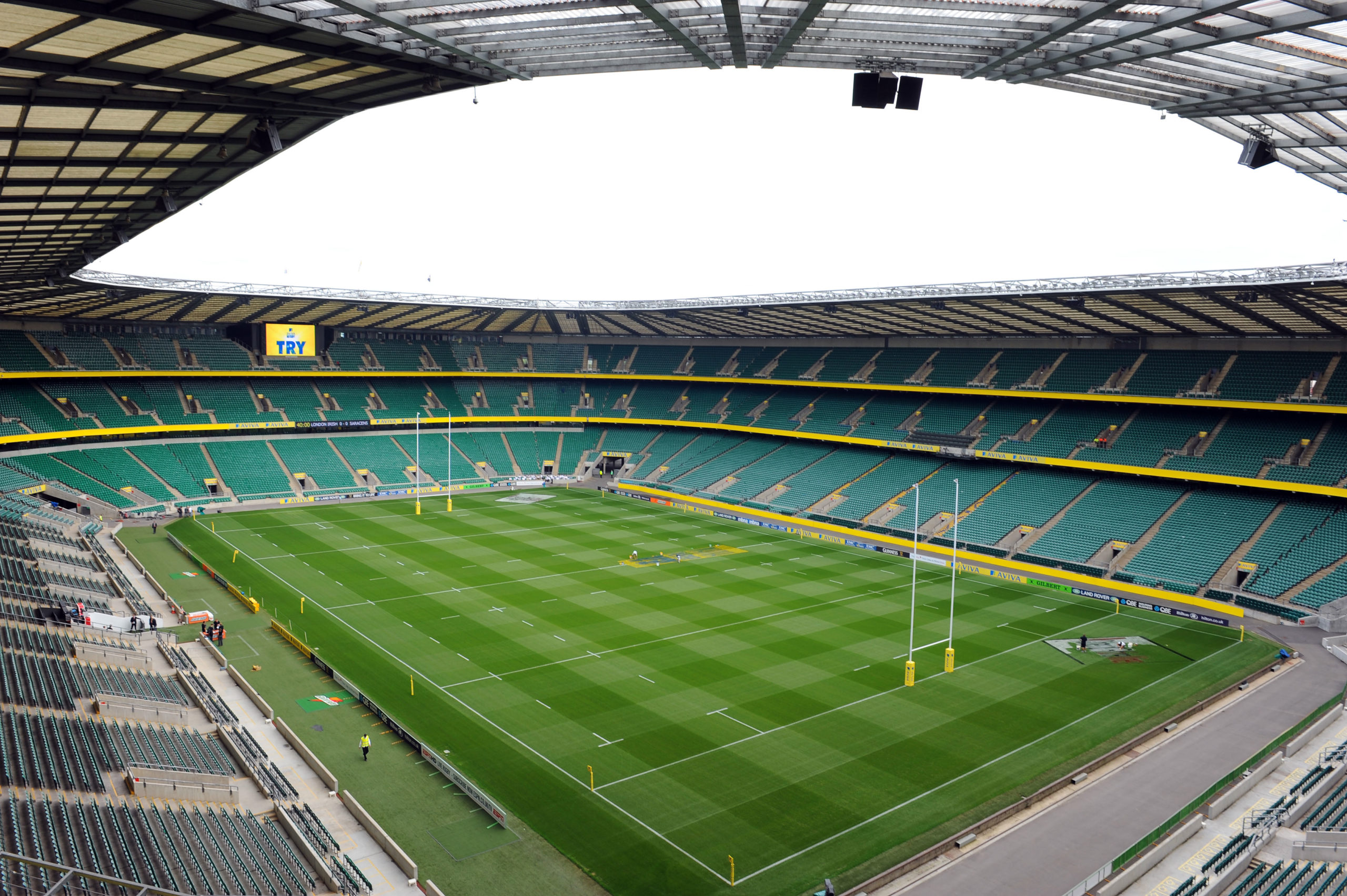
A late penalty goal adds three points to a rugby union score. A converted try adds seven. That difference matters when reading a points handicap or a total-points market: one passage of play can change how a line settles without making the result feel very different to a spectator. The scoreboard tells you what happened in the match; a market line sets a separate condition against which those points are counted.
Why rugby’s scoring values create a distinctive market
Rugby union scores move in several increments. A try is worth five points, with a successful conversion adding two. A penalty goal or drop goal adds three, while a penalty try is worth seven automatically, without a conversion attempt. Those values explain why a team can close a gap through kicks, move ahead with a converted try, or score without gaining the full seven points available from a try and conversion.
The distinction is useful whenever a market refers to a margin or a combined score. A side trailing by six points, for example, would move one point ahead with a converted try. An unconverted try would leave it one point behind. A penalty goal would cut the deficit to three. These are straightforward scoreboard calculations, not claims about which choice a team will make. Whether a side kicks at goal, seeks territory or attacks for a try depends on the match situation, and none of those decisions can be read off a market line.
It also helps to separate the value of a score from the drama around it. A try under the posts may look decisive, but its effect on a handicap depends on the margin before the try and whether the conversion succeeds. A less spectacular penalty goal can matter just as much when the relevant line sits three points away.
What a rugby handicap line actually asks
A points handicap adjusts one team’s final score for the purpose of settling the market. Suppose, purely as an example, that a team is shown with a seven-point handicap against it. If it wins 27–17, its ten-point winning margin remains a three-point margin after seven points are deducted. It has cleared that handicap. This does not mean the market predicted a 27–17 finish, or even a ten-point win; the line describes the condition the final margin must meet.
The sign matters. A team marked −7 has seven points subtracted for the calculation, while a team marked +7 has seven added. A different line can therefore produce a different settlement from the same result. An exact match between an adjusted score and its opponent’s score also needs care: whether that produces a voided selection, a return of stake or another outcome depends on the market and the operator’s rules. It is safer to read the displayed terms than to assume every handicap works identically.
The Rugby Union section of Best of Bets displays rugby odds; readers should check the terms of each specific market. Wherever a line is displayed, the useful first question is not whether the quoted number seems plausible as a winning margin. It is which side receives the adjustment and what the final scores would have to do for that particular market to settle.
Reading a total-points line through match context
A total-points market asks a different question. Rather than adjusting one side’s margin, it adds the points scored by both teams and compares that sum with a stated line. In a hypothetical match ending 23–20, the combined total is 43. That is above a line of 42.5, regardless of which side won. The half-point removes the possibility that the final total lands exactly on the line, although readers should still check the terms attached to the particular market.
Rugby’s scoring increments make the path to that sum worth understanding. Imagine a 20–20 game late on. A successful penalty goal changes the score to 23–20 and the total from 40 to 43; an unconverted try would produce 25–20 and a total of 45. Neither possibility tells us what players will choose or whether either scoring chance will arise. It shows why a total can cross a threshold through quite different pieces of play.
Match context remains relevant without becoming a forecast. Possession, field position and the decisions available after a penalty all shape what spectators watch. The total-points calculation, however, is narrower: it counts the points on both sides of the final scoreboard. A compelling attacking spell that produces no points changes the story of the match but not the total.
Why the same final margin can tell different stories
Consider two further hypothetical results: 27–17 and 24–14. Each is a ten-point victory, so a handicap concerned only with the final margin treats them alike if the same team and line apply. Their totals are different. The first match produces 44 points; the second produces 38. Against a total-points line of 40.5, they fall on opposite sides. One scoreline cannot stand in for the other simply because the winner finished ten points clear.
Even an identical final score can conceal different sequences. A side might establish its lead early and spend the closing stages defending it, or overturn a deficit with late scores. A full-match handicap based on the final result would not distinguish between those routes if the scoreboard ends in the same place. That is why post-match descriptions such as “comfortable” or “close throughout” cannot replace the arithmetic in a market’s settlement terms.
The distinction also prevents a common reading error. Seeing a seven-point lead and thinking “one converted try” is a useful rugby observation. It is not, by itself, an answer to a seven-point handicap question. The timing of any subsequent score, which team makes it and the final margin all matter. For a total-points question, both teams’ contributions matter even if the match winner has long appeared clear.
A practical check before reading rugby odds
Start with the market’s name. A match-winner market concerns the result; a points handicap applies an adjustment; a total-points market combines both teams’ scores. Then read the number alongside the named side or the over/under threshold. The difference between −6.5 and +6.5 is fundamental, as is the difference between a line of 40.5 and one of 44.5. The number has meaning only together with the condition beside it.
Next, check the period covered. A line may concern the full match or a specified part of it, and the market wording determines which scores count. Read the operator’s settlement rules for any treatment of a tie on the line, an interrupted match or play beyond regulation time. These details are part of the market, rather than footnotes to a prediction.
Finally, do the calculation using a possible scoreline without treating that scoreline as an expectation. Subtract the handicap from the relevant side’s score, or add both sides’ points for a total. If the result of that calculation is unclear, the market wording deserves another look. Understanding the condition is a separate task from forming any view of the rugby.
Keep the market separate from the match
A regulation rugby union match has two 40-minute halves, but reaching 40 minutes on the clock does not always end a half immediately. Play can continue until the ball becomes dead, subject to the laws governing an outstanding penalty or free-kick. That is one reason a late score should not be dismissed simply because the clock has reached its nominal limit.
Still, knowing how long play can continue does not make the next score knowable. The value of a try, conversion or penalty goal explains how a scoreboard could move; the handicap or total explains how a specified market would be settled. Neither supplies certainty about what will happen on the pitch. For rugby readers, keeping those questions apart is the clearest way to understand a line without mistaking it for a match prediction.



The best betting sites












You must be logged in to post a comment Login