

Every February, and sometimes late January, six old rivals drag rugby back into packed streets, wet afternoons, and living rooms that smell of stew and nervous tea. England, France, Ireland, Italy, Scotland, and Wales do not need a sales pitch. The flags do half the work. Still, the tournament has a pull that goes deeper than noise. Its short format means one dropped pass in Cardiff, one missed tackle in Dublin, or one yellow card in Paris changes the table fast. New followers learn the stakes quickly. For fans comparing match-day risk habits online, responsible gambling notes for curacao casino readers often start with a safety checklist before money enters the picture.
Tiny choices matter there, too.
The same care applies to bonuses around revolut casino sites, where secure transactions matter more than a flashy offer on a Saturday morning.
Supporters know patience beats panic.
Similar caution fits welcome bonuses linked to casino american express pages, because secure transactions should come before any promise of easy wins.
A fixture list that wastes no time
Five match rounds decide everything, so the Six Nations never has room for a sleepy middle act. A football league can hide a dull weekend in a 38-game calendar. This event cannot. Each side plays the other five once, with home advantage swapping year by year. That uneven rhythm creates arguments before a ball is kicked. France away at Twickenham feels different from France under lights in Saint-Denis.
One loss bites hard.
The bonus-point system adds another little squeeze. Four tries bring an extra point, and a narrow defeat can still leave something on the board. Coaches chase tries while guarding against chaos. Fans do the maths in pubs with wet sleeves, half watching the scoreboard and half watching the referee’s hand. By round four, even a mid-table match has angles: ranking points, Grand Slam pressure, and selection spots for summer tours.
Rivalries with old scars and fresh faces
The Six Nations works because history sits close enough to touch, yet the teams keep changing. England versus Scotland carries the Calcutta Cup, first played for in 1879. The trophy looks odd, almost too ornate for a sport built on mud, but players still talk about it with straight faces.
Then youth arrives.
A 21-year-old fly-half can turn that old fixture into something new with one cross-kick. Ireland and France have spent recent seasons trading blows at a speed that makes slow replays feel unfair. Wales bring a different tension, because their best days seem to appear right when outsiders write them off. Italy once played the part of polite guest. No longer. Their win in Cardiff in 2022, sealed by Ange Capuozzo’s break, changed how opponents prepared for Rome.
The past gives the games weight. The new names stop them feeling dusty.
Stadiums that change the temperature
Venue matters in this tournament more than neutral viewers expect. Murrayfield can feel open and cold, with sound rolling across the stands like weather. The Aviva Stadium in Dublin tightens fast after an early Irish turnover. Principality Stadium keeps its roof option, and when the roof shuts, noise hits the pitch in a thick wave.
Players notice.
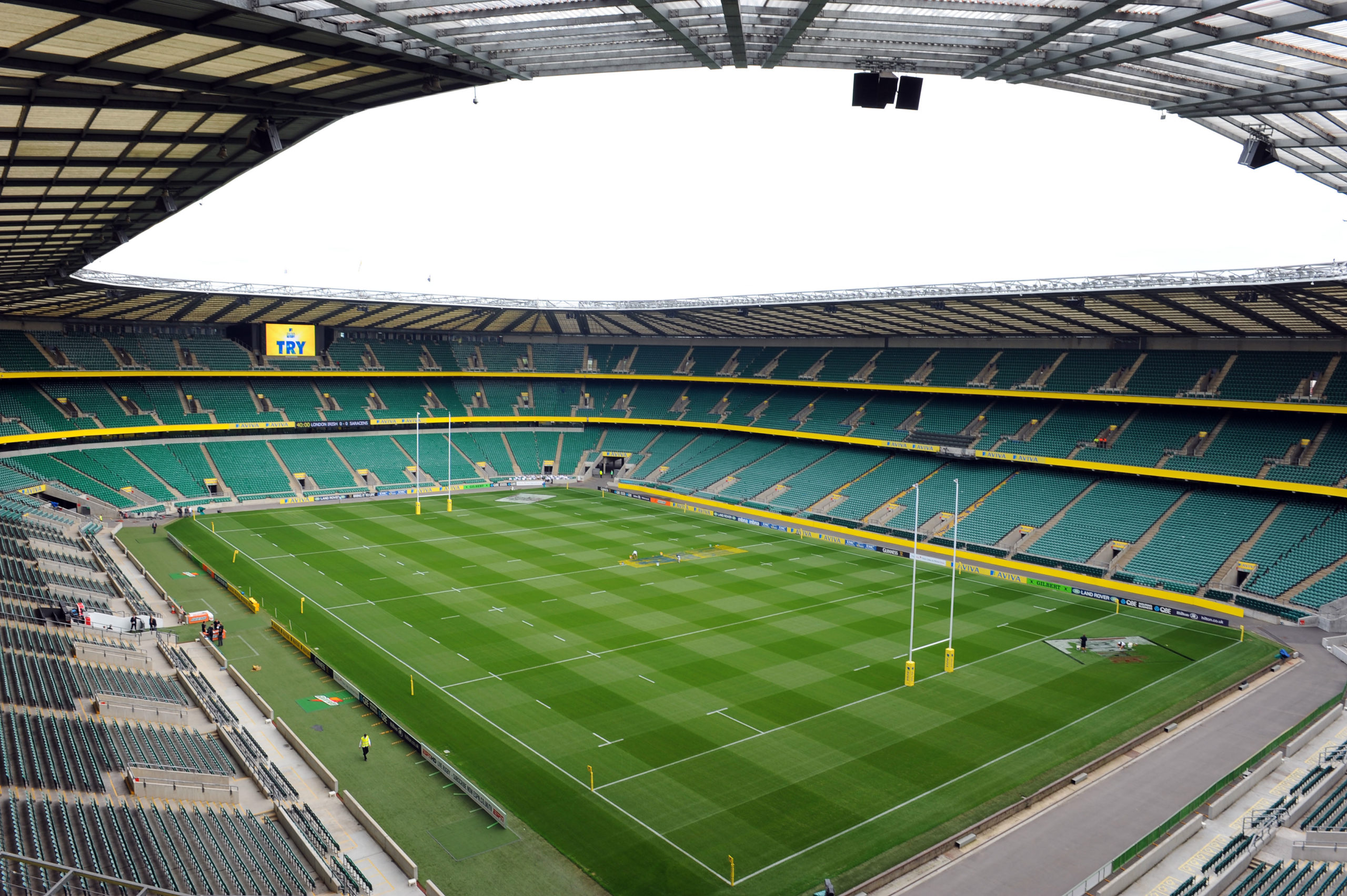
A scrum-half who hears nothing must trust calls rehearsed on Tuesday. A winger waiting under a high ball has 70,000 people trying to climb into his hands. Twickenham brings scale, not always warmth, and that creates its own edge. Paris brings theatre. Rome brings sun, patience, and a crowd that now expects more than brave defeat.
Travel tightens the drama as well. A team can be brilliant at home, then look half a second late six days later. That gap is where the table moves.
Styles that clash in plain sight
The Six Nations is not a coaching seminar, thank goodness. It shows style through collisions. France like broken play, offloads, and runners appearing where structure said they should not be. Ireland build pressure with repeat phases, clean rucks, and lines that look simple until the defence is trapped. England shift identity more than their supporters enjoy, swinging between kick-pressure plans and wider passing games.
Scotland bring bite.
Finn Russell has made risk feel almost reasonable, which is a strange sentence in Test rugby. Wales lean on emotion and turnover energy when their pack is under strain. Italy now use tempo instead of apology, trusting Paolo Garbisi and a younger group to keep playing after contact.
The best weekends arrive when those plans rub against each other. A kicking duel becomes a running match. A set-piece contest turns into a chase for tries.
Stars made under pressure, not polish
Some tournaments introduce talent slowly. The Six Nations throws it into weather, noise, and headlines by breakfast. Brian O’Driscoll announced himself in Paris in 2000, scoring three tries for Ireland and changing expectations in one afternoon. More than two decades later, Antoine Dupont turned small spaces into headline material almost every round he played.
No hiding place exists.
A prop can lose one scrum and see the clip replayed before he reaches the changing room. A captain can choose touch over posts, then carry that call for a week. The pressure feels harsh, yet it explains the attraction. Reputations form in real time.
Fans remember details, not profiles. They remember Jonny Wilkinson dropping goals through grey air. They remember Sergio Parisse dragging Italy forward with tired shoulders. They remember a debutant smiling too early, then learning what Test rugby charges for confidence.
A table small enough to haunt everyone
The standings are easy to read, which makes them cruel. Six teams. Five matches. No quarter-final safety net. A Grand Slam means winning every game, and the phrase still carries a clean menace. A Triple Crown, earned by one Home Nation beating the other three, gives another prize inside the bigger chase.
Small margins become folklore.
In 2015, three teams entered the final day with title hopes, and points difference sent everyone chasing tries like schoolyard players. Ireland won it, but the day belonged to frantic scoreboards. That kind of arithmetic suits rugby. It rewards ambition without letting anyone forget a missed kick in round one.
The table stays alive because every match touches another match. Supporters watch rivals with grudging interest, calculating tries, cards, and bonus points between sips.
How a newcomer should watch the next round
New fans should pick one match first, not the whole weekend. Follow the ball for ten minutes, then switch focus to the space behind the defensive line. Watch how often the fullback steps up, and how quickly wings drop when a kicker shapes his body.
Small clues open doors.
Check the referee too. Some allow a long contest at the breakdown. Others whistle fast, which changes the match before the crowd settles. Keep an eye on substitutions around minute 55; front-row changes alter scrums, mauls, and penalty counts.
One practical tip works well: read the team sheets, note both fly-halves, and ask which one gets clean ball first. The answer usually explains the next eighty minutes, or at least the first argument in the pub. Start there on Saturday, then let the tournament answer.



The best betting sites













You must be logged in to post a comment Login