

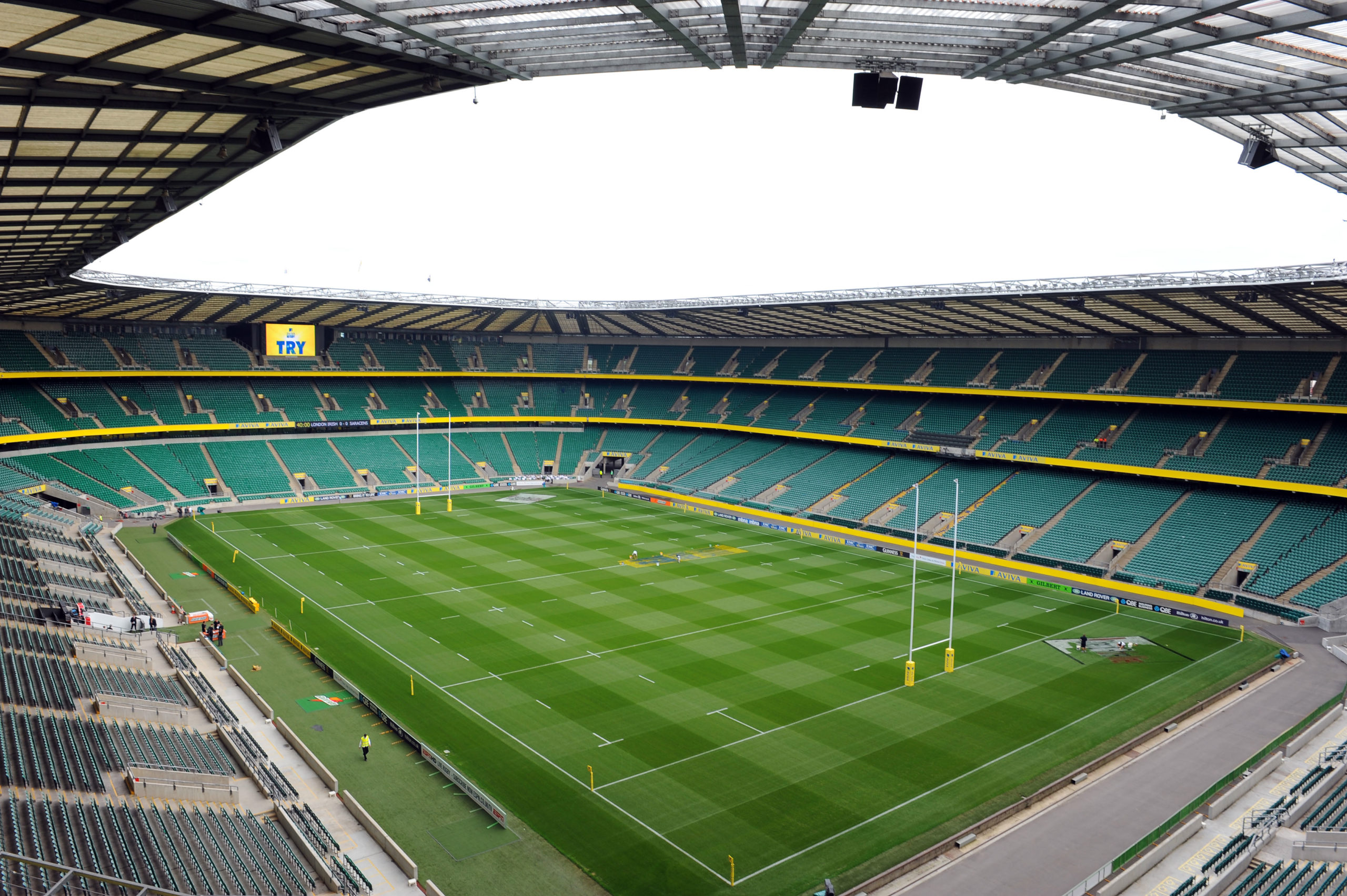
A rugby scoreboard can stay quiet while one team slowly takes control.
The first clue often sits in the set piece. A clean lineout, a stable scrum and a smart penalty kick can move pressure ten metres at a time.
The second screen after the whistle
Rugby fans often keep the phone nearby after full-time.
Some check player ratings, some look at fantasy points, and others scroll through sports odds or casino content once the match is over.
In that late-evening routine, bestcasino.com works as a casino guide with reviews, bonus information, slot pages and payment details for online casino users.
That kind of browsing belongs away from the match itself. During play, rugby needs proper attention.
A missed scrum penalty or a stolen lineout can explain the next ten minutes better than any quick score check.
Lineouts show who owns the touchline
A lineout is more than a restart. It shows timing, trust and homework.
When a hooker hits the same jumper twice near halfway, the attack can play quickly and keep shape.
The trouble starts when throws drift, lifters move early or the caller gets read. Suddenly the kicking game changes.
A fly-half may stop looking for touch because the team no longer trusts the throw.
World Rugby’s rugby union laws explain the formal shape of restarts, scrums and lineouts.
On screen, though, the useful detail is smaller. Watch how fast the ball leaves the jumper’s hands, and where the first carrier runs.
Scrums make pressure visible
Scrums often look slow on television, but they tell a clear story. A tighthead who keeps walking his side forward changes the referee’s eye.
A loosehead under pressure can make the whole backline play from poor ball. The useful signs are easy to spot:
- A front row standing up repeatedly.
- A number eight picking from a retreating scrum.
- Penalties conceded after the same bind problem.
- A scrum-half forced to pass under pressure.
- Territory gained from penalties rather than open play.
One scrum penalty near halfway can become a lineout inside the 22.
From there, the next score may come through a maul, a short carry or a penalty advantage. The move looks sudden only if the scrum was ignored.
Penalties tell the mood of the match
Penalty count needs context. Five penalties spread across forty minutes may mean little.
Three in seven minutes near the same ruck usually means the defending side is losing control.
The Six Nations rugby statistics page is useful because it puts match numbers in one place.
Still, the live viewer should attach each number to field position. A penalty on halfway hurts. A penalty five metres from the line changes the whole conversation.
Territory explains the quiet minutes
Some rugby controls look dull on paper. Kick to the corner, chase well, tackle the receiver, repeat.
No highlight clip appears, yet the opponent starts every attack from its own 10-metre line and spends three phases just trying to breathe.
That is why set-piece numbers matter. A clean lineout near halfway can become territory, pressure and a penalty within one minute.
A shaky scrum does the opposite, because the backs never receive a stable ball.
These details show who keeps choosing where the game happens. The final score only confirms what the lineouts, scrums and penalties had been saying for a while.
Match reports fill in what numbers miss
Set-piece numbers make more sense after reading the match back. A scrum count may look balanced, yet one penalty before half-time can change the kicking plan.
A lineout success rate may look clean, while two messy takes near the try line explain why an attack lost its shape.
England Rugby’s fixtures and results pages include match performance analysis around teams, scores and match information.
That wider view helps when one stat feels too neat. A team can win most of its lineouts and still struggle if the ball comes slowly, or if the first carry gets stopped behind the gain line.
After the final whistle, it is worth checking three things together: where penalties happened, how often scrums led to territory, and which lineouts came inside the 22.
Those details usually tell a better story than the raw totals.


Latest News
Red Roses keep calm and carry on winning ning

Latest News
Youngs: Wrong time to extend Borthwick’s deal

Latest News
Blackett: We aim to start like we finish

Latest News
Smith relishing link-up with Furbank at Quins



The best betting sites
















You must be logged in to post a comment Login