

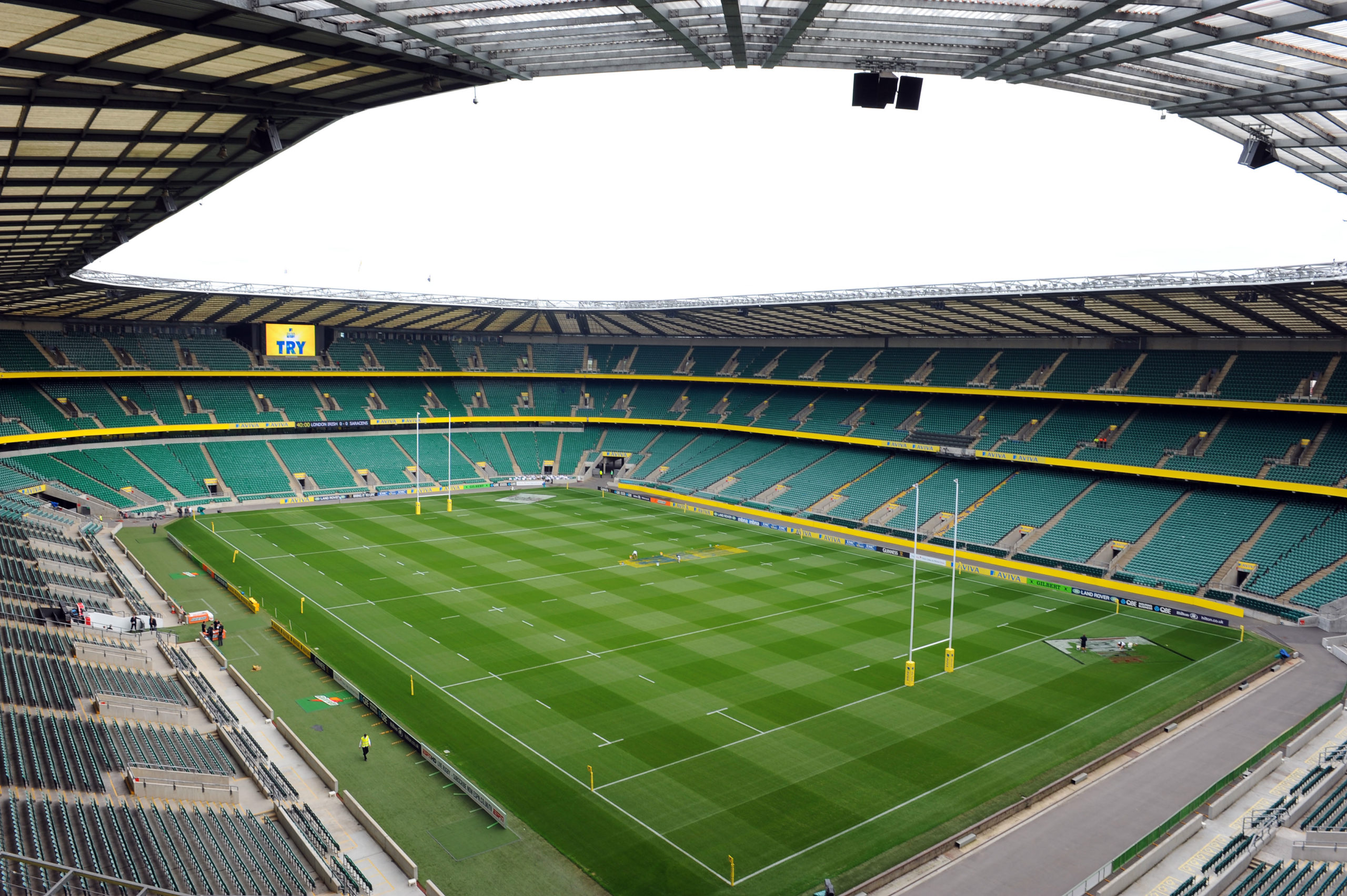
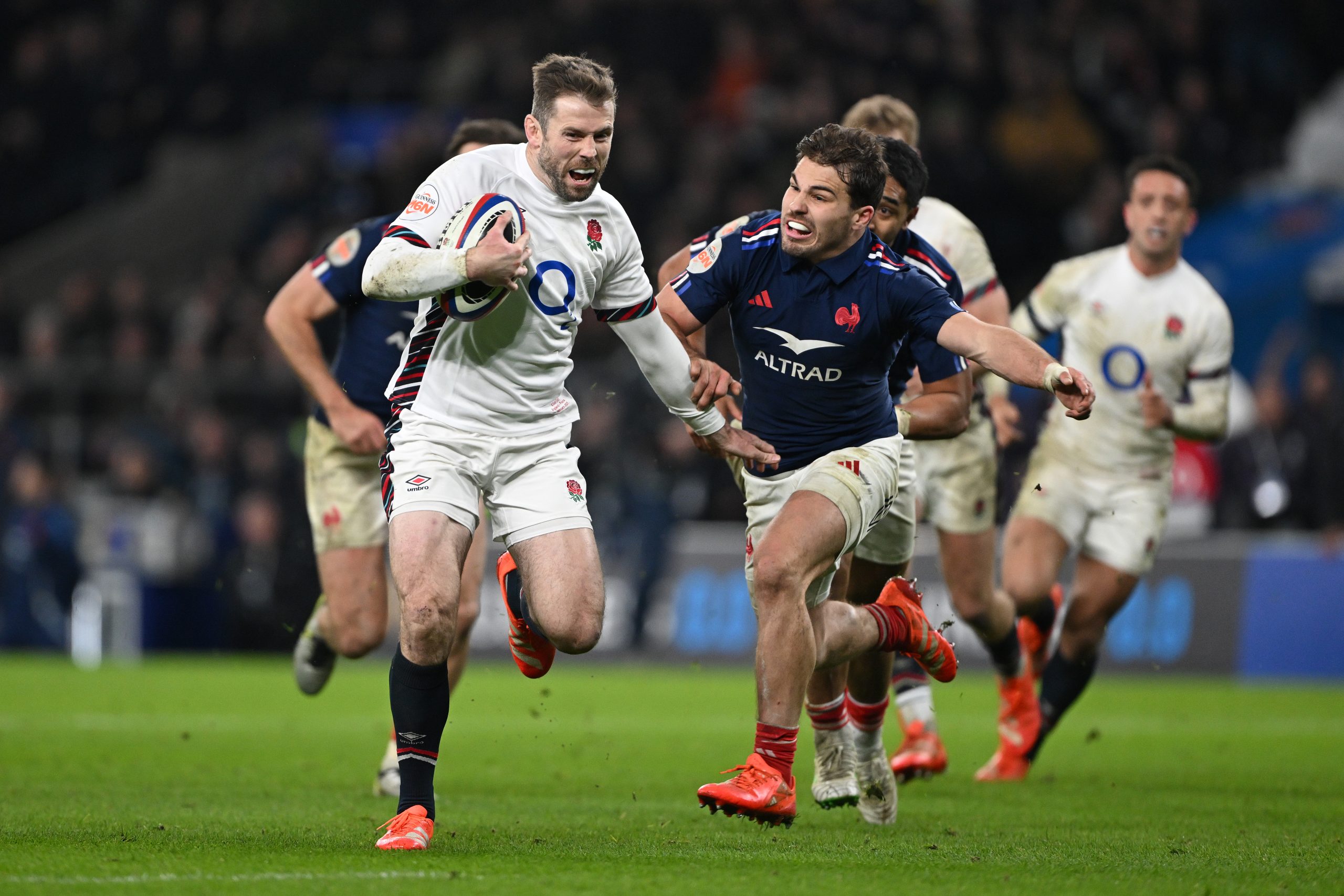
France won the SIx Nations again in 2026, for the second year in a row, leaving a bitter taste in English mouths. The Frenchmen are now the only team who won the trophy eight times since 2000, when the Five Nations opened their doors to Italy. England is now second in the records’ books, with 7 wins, while Ireland and Wales occupy the last step of the podium, with six wins each.
Steve Borthwick and his staff can’t be pleased with the way the historical tournament concluded and are already looking forward to the next, when their objective will be not to let France put more distance between the two national sides. Summer will therefore be the ideal time for England’s young rugby talents to truly blossom, giving the coaches the opportunity to set a new course and impose their playing styles. The road to the 2027 World Cup is therefore still being charted; however, anyone looking to bet on an England victory at the next World Cup might consider checking out the best free bets operators in the UK to choose the best odds and bonuses to minimize losses, while betting on rugby or any other sport.
National Championship and Borthwick’s selections
Gallagher Premiership performances have a profound and structured impact on Steve Borthwick’s England selections. His callings are driven by a mixture of data analysis; club form and newly established contractual control over players. Borthwick often rewards consistent, top-performing players from the national tournament, using it as a primary feeder system for his Elite Player Squad. The head coach loves data-driven selection and tends to reward standout club performances. Players who consistently deliver top statistics in the Premiership, such as try-scorers or dominant carries, are frequently called and analysed in the wider training squads he forms before writing down the list with the participants in relevant international tournaments like the Six Nations or the Rugby World Cup.
Borthwick’s staff closely monitors Premiership performers who can replicate high energy in short bursts. The extensive use of Pom Squad players is specifically designed to bring energy to test matches based on a given player’s explosive league form. In his 4-year tenure, Borthwick often brought in existing club pairings to enhance cohesion. For example, he relied deeply on Northampton Saints’ players when their club team excelled, bringing together a midfield with proven efficiency at a high level and calling center Fraser Dingwall over a wide array of players mainly because he was a Saint.
Together with the Saints, teams like the Saracens or the Tigers usually put together the backbone of the English National team. Players like Maro Itoje and Jamie George are typically captains, while young talents from Leicester and cornerstone pieces like Chessum, Steward, Martin and Van Poortvliet are always in Borthwick’s training squads. We may expect more of the same in the next summer tour.
Escaping to France
Borthwick’s job is probably about to become harder in the near future. He may need to find some sort of accommodation in France soon, since a lot of players are leaving England to play in the Top 14 Championship. It should come as no surprise: French teams haven’t got any salary cap and salaries may be doubled compared to the English ones, for a top player. In France it is quite easy to find accommodation and relocation services offered by rugby clubs and English players are revered and often offered important leadership roles from the get-go. The advantages are plain to see, so the choice to cross the Channel is frankly understandable.
Follow The Rugby Paper to stay up to date on everything about English rugby and try to understand the Nations Championship, the brand new tournament that promises to make international clashes in Autumn meaningful again.





















You must be logged in to post a comment Login