

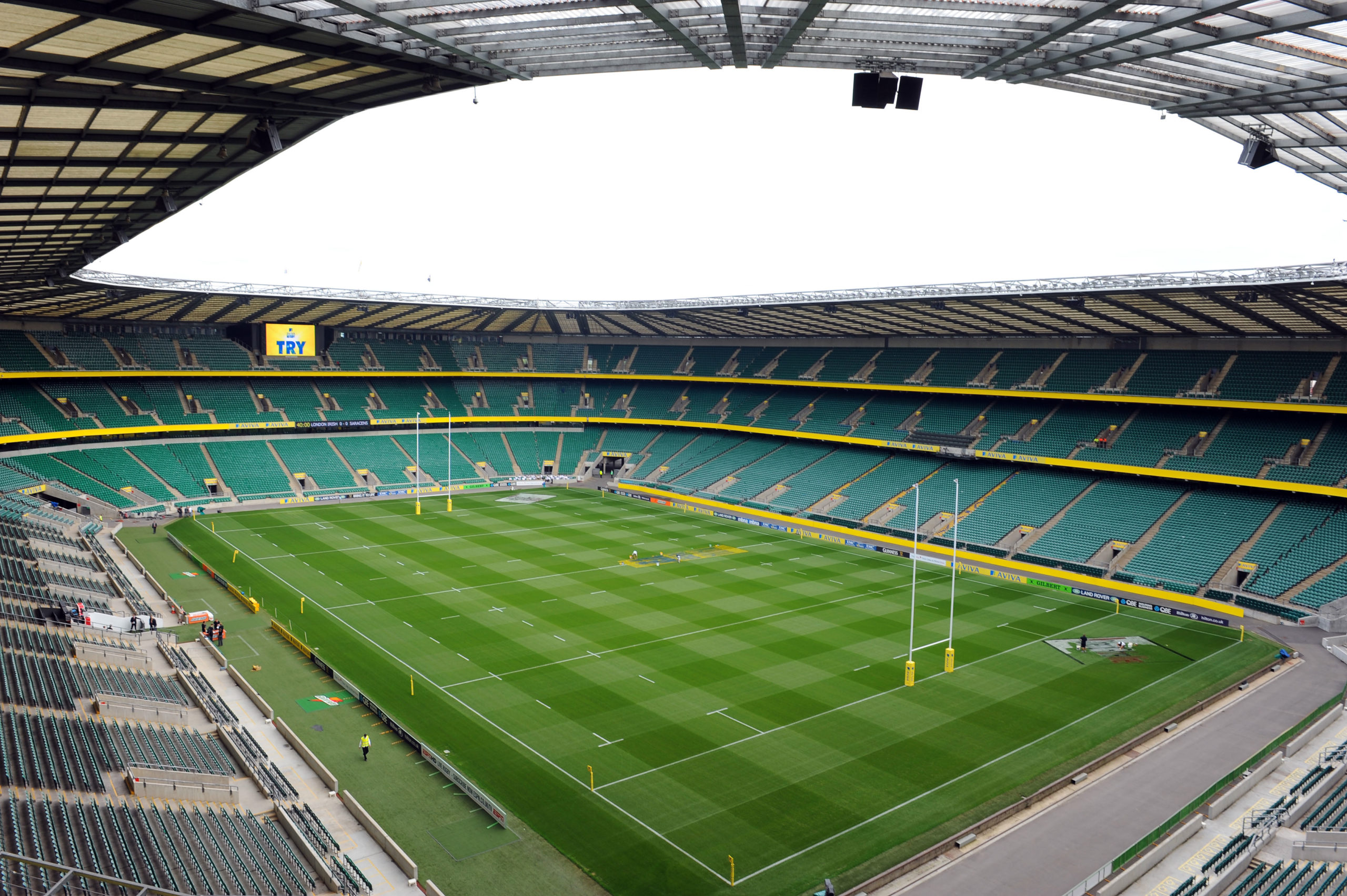
Tradition, community and ritualization have always been attributes of rugby. The sport has never divided fans since full stadiums up to pubs with international tournaments being aired.
Over the past few years, though, the fan experience in rugby has developed in multiple aspects influenced by the digital media, data-driven insights, and the overall expansion of sports betting as a type of sports-related activity.
Sports betting has ceased being a niche in sports, and has become a part of sports culture.
The industry statistics and the analysis provided by sports entertainment platforms such as Statista or the World Economic Forum allows concluding that digital sports consumption and interactive experiences grew fast due to the use of mobile technology and live broadcasting.
Rugby, due to the level of competition and the international calendar has inevitably been a part of this change.
Digital rugby fandom
Contemporary rugby fans do not stop following the game only on match day.
According to official statistics provided by World Rugby, more fans attend matches using mobile applications, social networks, live statistics, and professional commentary.
These online touchpoints form a multi-tiered experience through which fans follow the team formation, player performance, and tournament stories in real-time.
In this ecosystem, sports betting has become a side activity and not a singular activity.
Most fans perceive it as an alternative interpretation of matches, which bring analytical depth to the coverage and discussion of matches.
Instead of supplanting the traditional fandom, it tends to supplement it by making people pay more attention to the tactics, line-ups, and historical trends.
Normalization and fan behavior in cultures
There is also a shift in the cultural attitude to sports betting.
It is becoming branded in Europe as a subset of a larger sports entertainment service, merging match information, commentary and interaction tools within one digital space.
This trend corresponds to the consumption of sports, on-demand, multi-screen, and socially connected by younger audiences.
This has been transferred to more informed debates among the fans in the rugby communities.
Discussions which previously revolved entirely around passion and competition are now often filled with statistics, probabilities and performance indicators.
This is an analytical layer that represents a wider trend in sports media, where information and entertainment are deeply intertwined with each other.
The contribution of European platforms
In that sense, the examples of such companies as Olybet are often mentioned as the examples of European sports entertainment initiatives that may function in various regulated markets.
Olybet is placing itself in a more extensive sports ecosystem of partnerships, sponsorships, and digital engagement programs as described in its corporate background, as opposed to transactional activity.
Journo-wise, this demonstrates the attempts of brands related to betting to gain some legitimacy by identifying with the usual sports organizations and focusing on responsible, regulated involvement in the sports economy of Europe.
Looking ahead
The overlap between digital consumption and sports betting might stay a part of the fan culture as rugby keeps growing its fan base across the world.
The trend is indicative of the wider shifts in the interaction of supporters with sports content – to seek more insight and real-time information, as well as more immersion.
Finally, sports betting has not been and should not be the speculative aspect of the contemporary rugby fan culture.
Considered through the cultural and digital prism, it is one of numerous means through which the sport is changing and responding to the demands and patterns in the lives of modern viewers, yet the values of rugby as a sport, namely, respect, community, and shared passion, are still deeply rooted.



International Rugby
Hugo Keenan out of Six Nations opener as Ireland’s injury list continues to grow

International Rugby
Ireland star Bundee Aki dropped from Six Nations opener

International Rugby
Uini Atonio retires in a seismic blow to France ahead of Six Nations

Features
OSCAR WILSON

BUCS Super Rugby
Cardiff Met’s Gus Patterson on becoming Bridgend’s next rugby star



The best betting sites














You must be logged in to post a comment Login