

Rugby is undergoing serious changes. The Rugby Football Union has started to reform the professional system.
They are overhauling league structures, club operations, and player development strategies.
The objective is straightforward: make championships safer, clubs more stable, and the road to the Premier League clearer.
One of the important considerations is the formation of a new second division for the 2025-2026 season.
It is intended for teams that are not yet ready for the highest level, but have the ability to advance.
Previously, teams that were demoted from the top frequently lost stability and had little prospect of returning.
The new structure should transform the situation and provide a clear route for progress.
These steps should make the system more organised. At the same time, the RFU is launching the Professional Game Partnership programme.
This is an updated model of interaction between the union and clubs, which will influence the training of leaders. Particular attention is paid to hybrid contracts.
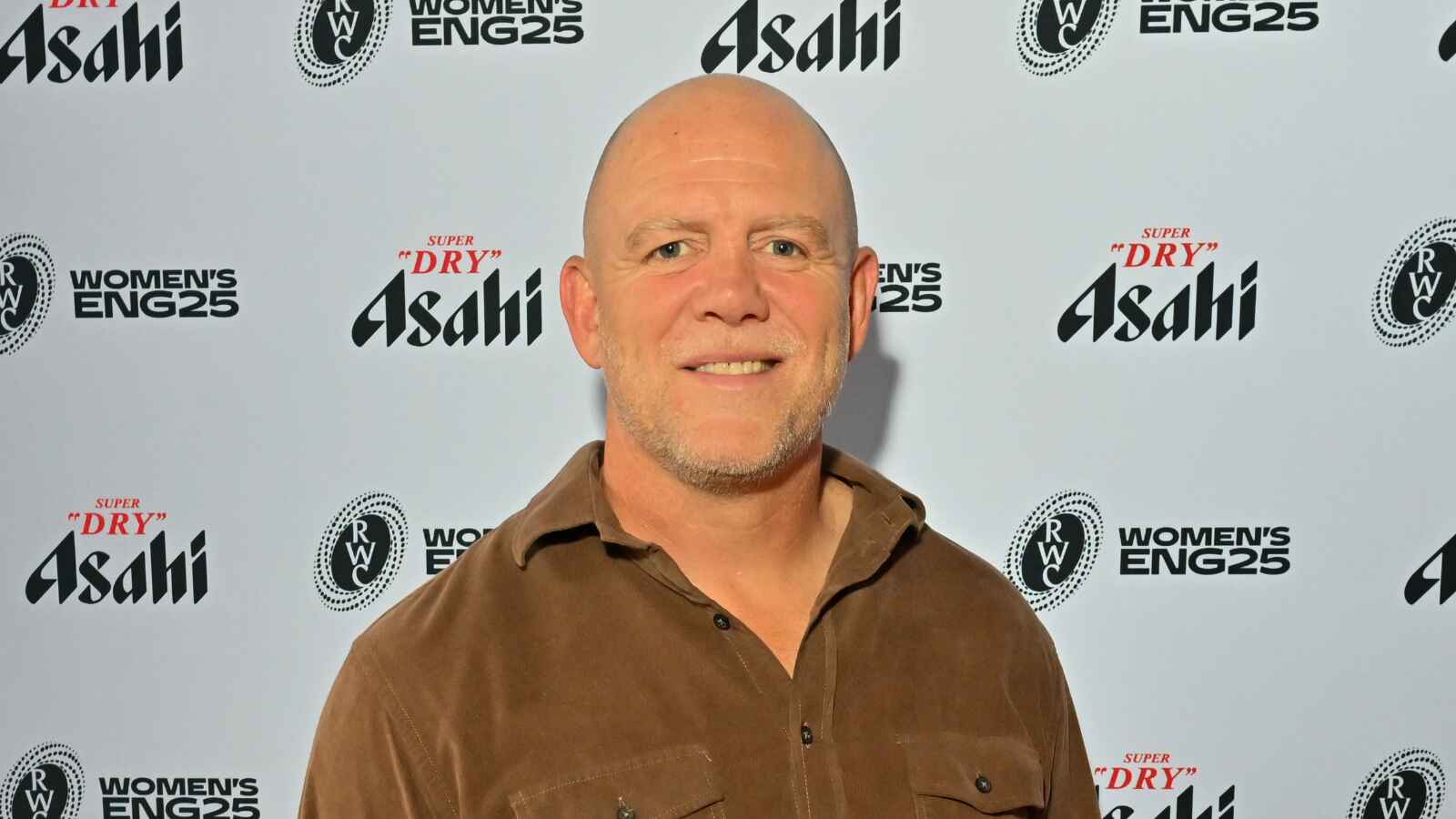
R360: Mike Tindall’s ambitious idea or a project with excessive risks
In the midst of changes, another high-profile initiative is rising.
R360 is a new worldwide league launched by Mike Tindall and a group of investors. The launch is scheduled for the 2026–27 season.
Tindall discusses a compact format, expensive player salaries, and a robust event component.
Matches might take place in London, Cape Town, Tokyo, or Miami.
Many rugby enthusiasts think that the sport has been in need of an upgrade for some time, and R360 has the potential to attract new followers.
We suggest considering the details in the form of a table:
| Aspect | Details |
| Founder | Mike Tindall + investor group |
| Launch | 2026–2027 season |
| Potential benefits | Modernises rugby, attracts new fans, high salaries for players |
| Main concerns | May harm traditional clubs, overloaded calendar, and scheduling conflicts |
There is another point of view within the rugby community that remains sceptical of this proposal for a number of reasons that will be explained in detail below.
Why rugby federations are reacting so strongly
National unions are already openly expressing their concerns.
Eight leading countries have announced that players who sign a contract with R360 will lose the opportunity to play for their national teams.
This is a very serious signal. Athletes will have to choose between the financial opportunities of the new league and their status as national team players.
There are other risks as well. If top athletes move to R360, national championships will lose their leaders and some of their commercial appeal.
Similar situations have already occurred in other sports, where private leagues have drawn resources away from traditional clubs.
In addition to physical well-being, it’s crucial to maintain your emotional well-being as well. Modern leisure options help you experience positive emotions.
Simply pick up your phone, download interesting games, or visit a casino. Bonus Buy from Slotozilla is often recommended, as this website offers a wealth of useful gambling content, reviews, and feedback.
A responsible approach to your mental health will definitely impact your physical well-being.
Who opposes R360, and why are there so many questions
As a result, several organisations have already announced their disagreement.
Some national unions have explicitly stated that they do not recognise participation in this league as professional activity for players.
Although the interest level is very high, the concern of experts about R360 is measured. It is generally felt that R360 raises more questions than answers.
The issue at hand is that R360 is yet to be ratified by the World Rugby community. Until that happens, it won’t get recognised as an official platform that can be trusted.
Possible consequences of R360 for the structure of world rugby
If the league does start, large investors and a small group of star athletes will benefit.
But other parties may find themselves in a difficult situation. The following will be at risk:
- National unions, which will lose control over player training;
- Local clubs, which may be left without leaders;
- Youth programmes funded through the top-down system;
- Fans, who risk seeing weakened championships.
The main problem is the possible fragmentation of the system. Rugby has long been balanced between clubs, national teams, and global organisations.
A new private league could destroy that balance. This is what those who have worked in rugby for many years fear most.
Conclusion
Which of them will prove successful will become clear in 2026 and 2027. These will be seasons worth watching closely for anyone interested in the future of rugby.
The opportunity to witness these transformative changes in world rugby is approaching.
Following developments and understanding the evolving landscape will be important for all stakeholders in the sport.




Features
OSCAR WILSON


BUCS Super Rugby
Cardiff Met’s Gus Patterson on becoming Bridgend’s next rugby star



The best betting sites

















You must be logged in to post a comment Login