

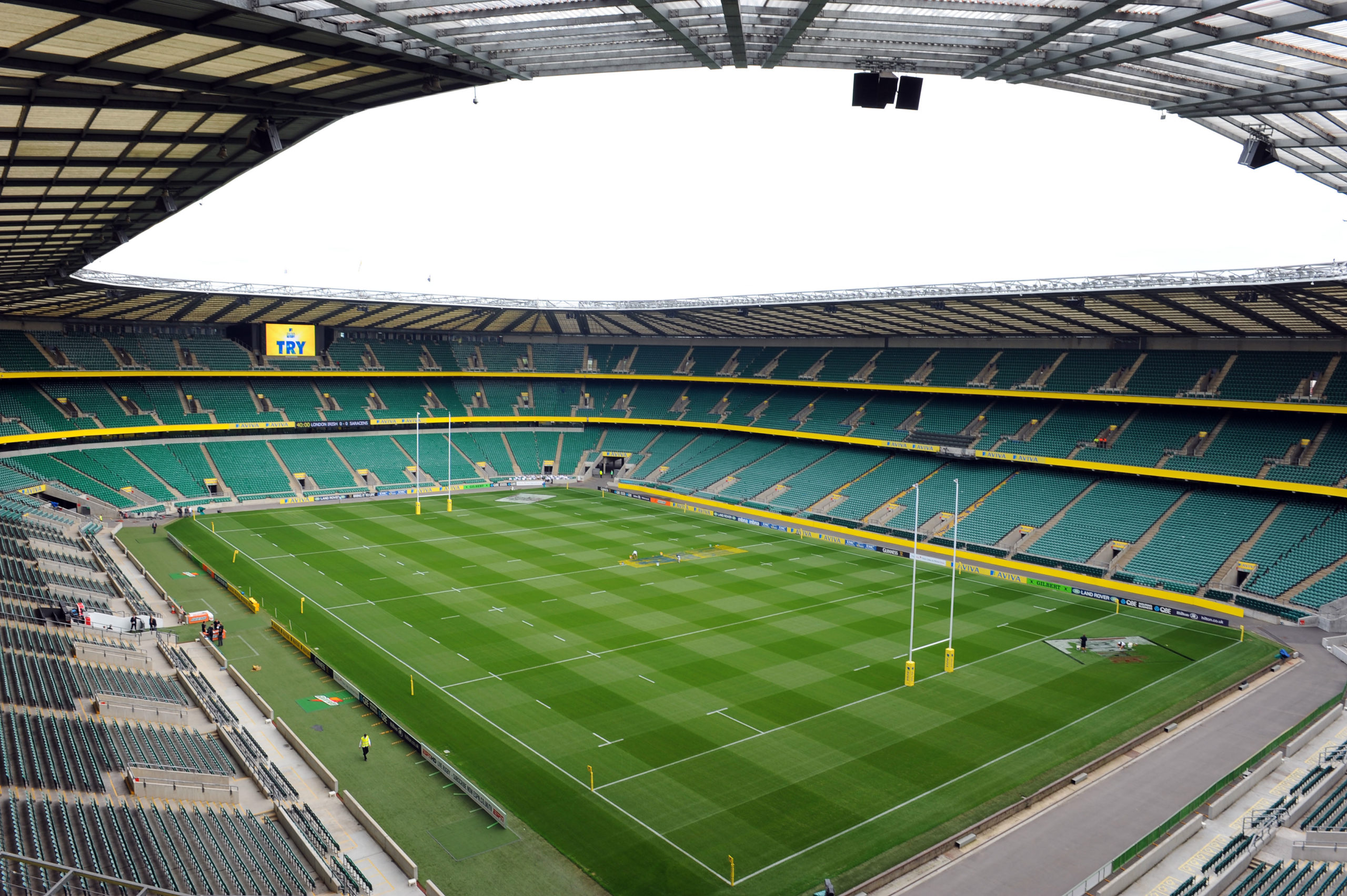
Wherever you look, outcomes on playing fields often trace back to choices made far away in legislative chambers. Because of this, those who play, manage, or follow games cannot treat policy as something distant. Instead, laws and funding directions shape every match schedule, stadium project, or athlete’s eligibility. When politics shifts, so does access to competition itself. To grasp why certain sports thrive while others vanish, one must examine the power structures behind them. Reality on the ground rarely reflects fairness – it mirrors authority.
How Political Decisions Control Sports Funding
Politics touches sport fastest when money is involved. When governments control budgets instead of markets, new leadership often shifts cash fast – away from track events, league play, or high-level training paths. Organisations tied to the city support feel pressure first. National groups built on taxpayer money face uncertainty with every election. Even individual competitors counting on official payments risk losing ground during policy turns. Private teams without public funds move more freely between changes in power.
Politics quietly steers the business networks forming around sport. As national authorities back strong local leagues, tech firms offering live streams or fan apps often move in soon after. One clear sign appears where MelBet login now fits naturally into matchday habits across certain areas, following state efforts that lifted homegrown tournaments to levels drawing attention from wagering companies. Market entry by private ventures tends to signal steady governance plus intentional funding – you rarely see betting sites adding matches from nations where leadership ignores athletics or swings between conflicting rules.
Political Influence on Sports Infrastructure and Access
Politics shapes more than just budgets when it comes to sport. Where facilities go, who uses them, and how well they last often hinge on choices made in offices far from playing fields. Government-led models prioritize plans over public interest. Big stadiums and training hubs rise where leaders hold power, not where people play most. Capital cities grow dense networks of venues. Regions tied to key officials gain advantages. Remote zones see fewer upgrades. Neglect sets in over the years. Access gaps widen without notice.
Historically, entry to athletic spaces and initiatives served less as public service, more as leverage – officials channeling resources toward supportive areas while bypassing those seen as opposition strongholds. Where cities boast robust internet and business networks, digital involvement in athletics, and the MelBet app spreading through various locales, grows fastest, echoing old spatial divides. These online arenas do not escape bias; instead, they repeat it, shaped by the same forces that guide bricks-and-mortar funding decisions. Unequal reach in sport, whether online or on the ground, persists because power shapes access – not need. Patterns of control leave marks across both concrete stadiums and smartphone screens.
Sport as a Vehicle for National Identity and Political Messaging
What drives funding in state-controlled sports arenas isn’t just podium finishes. Success on the global stage – be it through a rising football side, an Olympic powerhouse, or staging a major event – fuels shared emotion among citizens while sharpening a nation’s image abroad. These moments are not accidental; they serve as messaging devices aimed internally to unite people, externally to signal strength. From this angle, athletics become less about competition, more about conveying power, cohesion, belonging.
Sport serving politics stretches far back, thoroughly recorded across decades. During the Cold War, Olympic efforts aimed at proving one system better than another; today, bidding for tournaments signals a country’s progress – same habit, different time. When global attention grows strong, those in power spend more on athletic programs, yet scale down once benefits fade, leaving support unpredictable. Such shifts in financing disrupt steady growth within sports systems.
The Effect on Athletes: Opportunity, Pressure, and Limits
State-backed athletic programs bring challenges unique to those shaped by government priorities rather than market forces. Full access to training centers, scientific guidance, funding, and planned global events often comes through public investment. Where nations treat elite performance as a matter of policy, individuals may rise without personal costs blocking progress.
Some governments, deeply committed to sporting success, see higher yields in top-tier performers due to early removal of economic hurdles. Support structured around national goals reshapes who gets to compete at the highest levels.
Below are some of the key ways political systems shape individual athletic careers:
- State stipends and full-time support: Athletes in politically invested systems often receive salaries from the government, allowing full-time training without commercial sponsorship — an advantage in disciplines where professional markets are small.
- Selection politics: In some systems, team selection is influenced by political loyalty, regional representation quotas, or ideological considerations rather than purely by performance, creating unfair competition within national programmes.
- Restrictions on international movement: Athletes from some politically controlled sports environments face barriers when seeking opportunities abroad, with governments restricting transfers or participation in foreign leagues to retain talent domestically.
- Pressure to perform as national representatives: Athletes are sometimes treated as symbols of national prestige, creating psychological pressures that go well beyond normal competitive sport and can negatively affect performance and well-being.
Here, politics shapes sports in ways that both open doors and set limits for those involved. While support flows from government interest, freedom often narrows under its weight. Power moves through funding, yet control tightens behind progress. Opportunities grow – though not without strings attached. What helps can also hinder, depending on who holds the reins.
International Sport and the Limits of Political Insulation
Though some nations pour political resources into athletics, they still answer to worldwide regulatory frameworks. Oversight organisations like FIFA, World Athletics, and the IOC operate under independent codes, entry requirements, and enforcement tools capable of sidelining national policies.
Should authorities meddle visibly – by steering leadership votes within sporting federations, making team picks for ideological reasons, or pushing performance-enhancing regimens on athletes – global regulators may step in with penalties ranging from event suspensions to full exclusion from international play.
Still, global oversight pulls hard against national impulses to steer sports directly. Where local power meets worldwide norms, friction follows. Yet some nations manage it – pushing funds into facilities and training without grabbing the reins of sport bodies – and they last longer on podiums. When leaders blur the line, treating teams like government branches, penalties usually come knocking later. Being shut out tends to follow once trust in fairness wears thin.
Finding the Right Balance Between State Support and Sporting Autonomy
Foundations matter more than extremes when it comes to thriving sports ecosystems. Not total state withdrawal, nor complete top-down direction, defines success. What works lies somewhere in between – where public funding builds arenas, supports youth pathways, ensures consistent policies, and opens doors abroad. Yet athletes still choose teams themselves. Competitions stay free from interference. Governing bodies operate independently. Control shifts subtly: strong support behind the scenes, hands-off oversight on the field.
Successful navigation of this balance often leads nations to develop strong athletes and teams. When politics supports basic structures instead of controlling results, performance improves. These countries keep respected positions in global sports organizations. Their athletic traditions continue beyond changes in leadership. Looking at state-led versus market-based models shows a clear pattern. Influence matters less than how support is applied. Lasting strength comes from stable backing, not short-term directives.
Where Politics Ends, and Sport Begins
What keeps sport alive in some nations begins to fade in others when politics moves too close. Funding works best when followed by distance, letting competition unfold without pressure. Where appointments answer to power rather than performance, the game erodes from within. Fairness fades first, then surprise, then trust. The difference between success and decay often lies in one boundary: who decides what stays separate. Holding that line turns quiet restraint into strength.



The best betting sites


















You must be logged in to post a comment Login