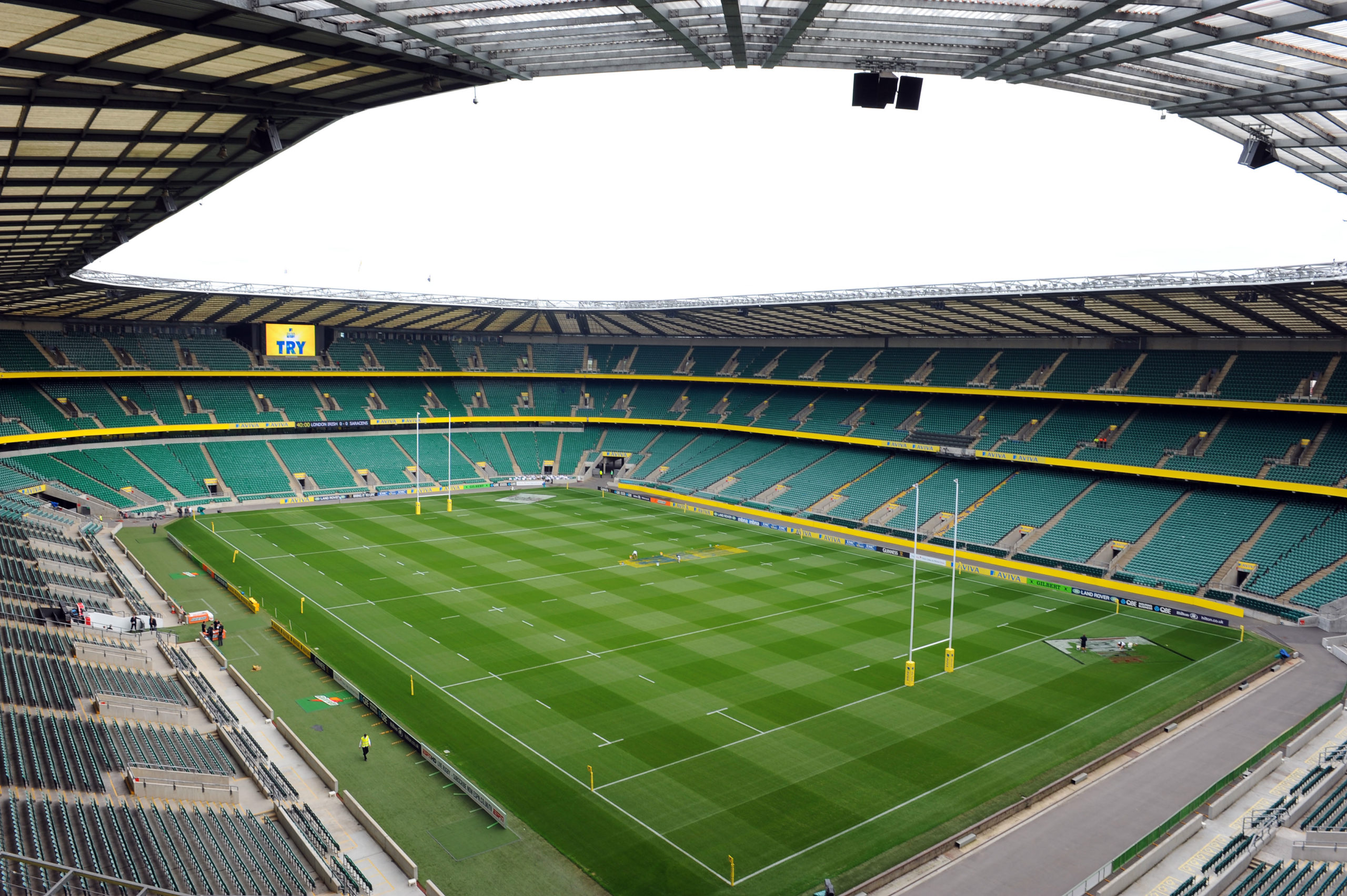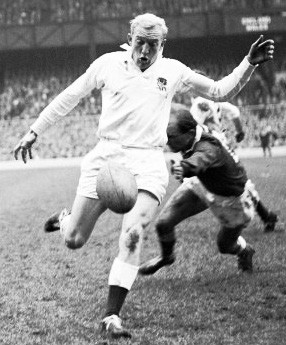



RICHARD Sharp, who died this week at 87, was etched into the folklore of English rugby when he scored a brilliant captain’s try against Scotland at Twickenham to clinch the Five Nations title in 1963.
Sharp was a fly-half who seemed to glide through gaps and past defenders with a combination of grace and speed, and it was captured for posterity in the black-and-white newsreels of the match as he sliced the Scottish defence open with three sidesteps and two dummies in an epic 40 yard run to the line.
It was “cometh the hour, cometh the man” sporting heroism, and inspired the novelist Bernard Cornwell to name his swashbuckling soldier ‘Sharpe’ in tribute to the fleet-footed Cornishman, whose club/county career saw him play for Redruth, Wasps, Bristol, Royal Navy, Oxford University, and Cornwall.
Sharp was educated at Blundell’s School and Oxford University and served in the Royal Marines during his national service. He won 14 caps for England from 1960 to 1967, and was also selected for the 1962 Lions tour of South Africa. However, he was only able to play in the third and fourth Tests, having had his cheekbone broken in a controversial high tackle which ruled him out of the first two Tests. Sharp, who was known for his modesty and gentlemanly manners, refused to complain.
Recalling his legendary try against Scotland in later life, Sharp said: “I always get rather embarrassed talking about that… Mike Weston made it with his perfect dummy run.” He added: “The simple truth is that my career as a serious rugby player ended that day, despite a rather curious recall against Australia four years later.”
It was the amateur era, and Sharp explained that he had decided to marry, settle down, “and needed to get a job and earn some money”. He did that successfully as a school teacher at Sherborne before going on to work in the china clay industry for 30 years.
Yet, as Robert Kitson revealed in a Guardian interview with Sharp, there were precious few mementos of his illustrious rugby exploits in the family home he made with his wife Esther in St Ives, for fear of putting undue pressure on their two sons, Quentin and Jeremy.
RIP Richard Sharp, ever England’s gentleman player.
Letters Page 16>