JAMES HARRINGTON
FRENCH COLUMN

Fifteen months out from the 2023 World Cup, the rugby debate in host nation France is getting around to the workload of Les Bleus’ lauded international stars.
The FFR, which runs the national team, and the LNR, which operates the two professional men’s leagues in France, have started discussions over how best to ensure the national team has the best chance of challenging for the title by ensuring players are fit, ready – and, crucially, not too tired.
There’s little wonder Fabien Galthie and his coaching team are concerned about the level of work that players in the frame for national selection are having to do.
France have, at their disposal, some of the best players in the world – in some positions, the very best.
The assembled coaches have turned those individual talents, and their understudies, into a formidable united team that has won a first Grand Slam in a decade, beaten the All Blacks in Paris for the first time since 1973, won in Australia for the first time in a generation, and ended losing streaks in Cardiff, Dublin and Edinburgh.
Galthie has not publicly spoken on the subject, but it is clear that the 2023 World Cup – his key target – will be won and lost in the run-up to the competition, in the way the French national team will be managed next season, which kicks off in early September and runs to June 17, 2023.
The unrelenting pressure on players has taken its toll this season.
Toulouse, well beaten by Leinster in the Champions Cup semi-final in Dublin a fortnight ago, look tired.
They’re not playing this weekend – which will, privately, come as a relief to many players.
It’s more than the fact they faced the best side in Europe a week after beating Munster at the same venue on penalties after extra-time could not separate the two sides. That was not acute tiredness written on the faces of the Top 14 side’s players. It was chronic fatigue.

Saturday June 4:
ASM Clermont Auvergne v Montpellier, Lyon v La Rochelle, Pau v Castres, Perpignan v Bordeaux Bègles, Racing 92 v Toulon, Stade Francais v Brive, Toulouse v Biarritz Olympique
The inconvenient truth is Toulouse didn’t only look tired at the Aviva against the best side in Europe. They looked tired in their must-win Top 14 match against Brive a week later. They had looked tired in the two-leg round-of-16 match against Ulster, and were out on their feet at the end of the quarter-final against Munster.
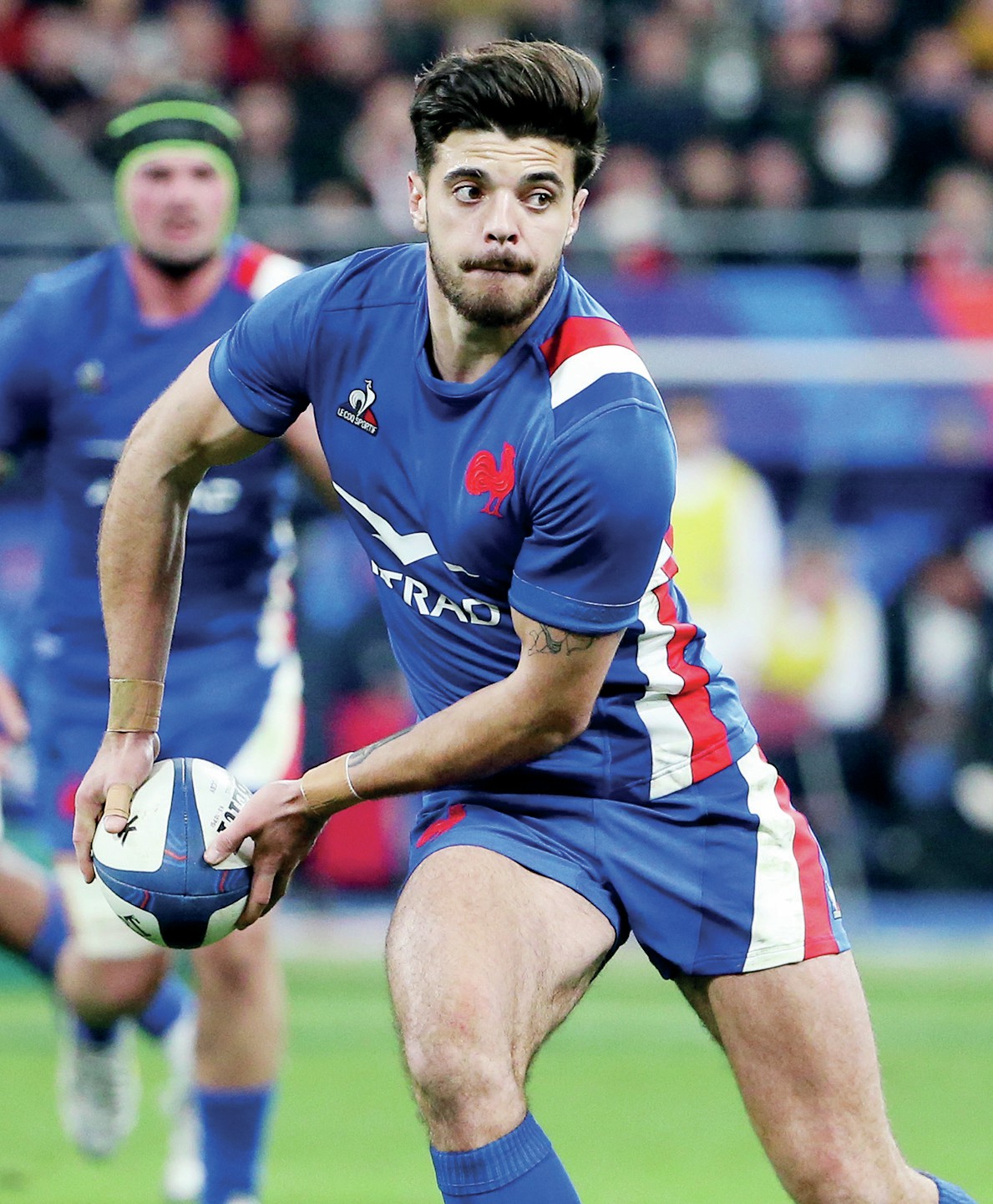
Romain Ntamack has played 29 matches this season, starting 27. He has played 2,166 minutes at an average of 75 per game in the Top 14, Champions Cup and internationals – three of the highest levels of the game in France and Europe.
Depending on how far into the post-season play-off competition Toulouse go, he could be involved somewhere between one and four more matches before his campaign is done.
And he would, no doubt, have played this weekend if that semifinal result had been different.
“There has been no rest for France’s internationals this season…that has to change”

The Toulouse fly-half has been the busiest France international this season. But he is far from an isolated case. The majority of Les Bleus have played somewhere between 22 and 28 games this season. Club and international halfback partner Antoine Dupont has clocked 1,870 minutes in 27 matches, with 24 starts – at an average of 69 minutes per match. He has played every minute of all seven matches Toulouse have played since April 2.
Back row Anthony Jelonch, meanwhile, has 1,771 minutes from 27 matches (23 starts) this season – and, unlike his Toulouse teammates, he was on last July’s tour of Australia, playing 228 minutes of Test rugby in 10 days. As it stands, he’s on track to beat his playing time record of last season of 1,822 minutes, which included those internationals Down Under.
It’s here that the strains in the relatively newly strengthened relationship between clubs and country show most.
“If we could, we would play fewer matches, but the situation is relatively complicated,” Toulouse president Didier Lacroix insisted.
“We have to … help the French team to be competitive [at the World Cup].
But everyone wants to see Antoine Dupont play all our matches.”
The players and staff will claim – have claimed – that Toulouse’s need on their return from the Six Nations outweighed their own need for a break. And Covid-related postponements around Christmas caused problems, because matches were rescheduled for open weekends during the Six Nations, when internationals weren’t available.
It could also be argued, however, that Ugo Mola perhaps could have rotated his squad more effectively to give more players gametime before they were suddenly called up as cover in the long winter period without their internationals.
He didn’t, and the subsequent loss of form and league position meant that his stars had to plug straight back into the Top 14 without a break.
Toulouse aren’t the only side to overuse their players. Before yesterday’s Champions Cup final had even kicked off La Rochelle’s Gregory Alldritt had played 2,027 minutes of rugby in 28 matches, 26 of which were starts – an average of 72 minutes per game.
There literally has been no rest for France’s internationals this season. That has to change next season if France are to make good on their long-established promise to be genuine contenders for the World Cup. And that needs the goodwill of the clubs.
The good news is the union and the league are talking about it. “It is not a question of imposing a regulation” outgoing FFR vice-president Serge Simon said. “We will continue to work in dialogue. It is going well even if the parties do not agree on everything. We are guided by a common interest which is the success of the French team at the World Cup.”
What happens next, whether any agreement is reached on rest periods for international players, remains to be seen.


Autumn Internationals
Wales 28-21 Japan: Lightning Louis Rees-Zammit left with little in support

Autumn Internationals
England captain Maro Itoje urges his side to win back the fans ahead of Australia clash


Autumn Internationals
Steve Borthwick: I know vast majority of my England selections for 2027 Rugby World Cup


The best betting sites