

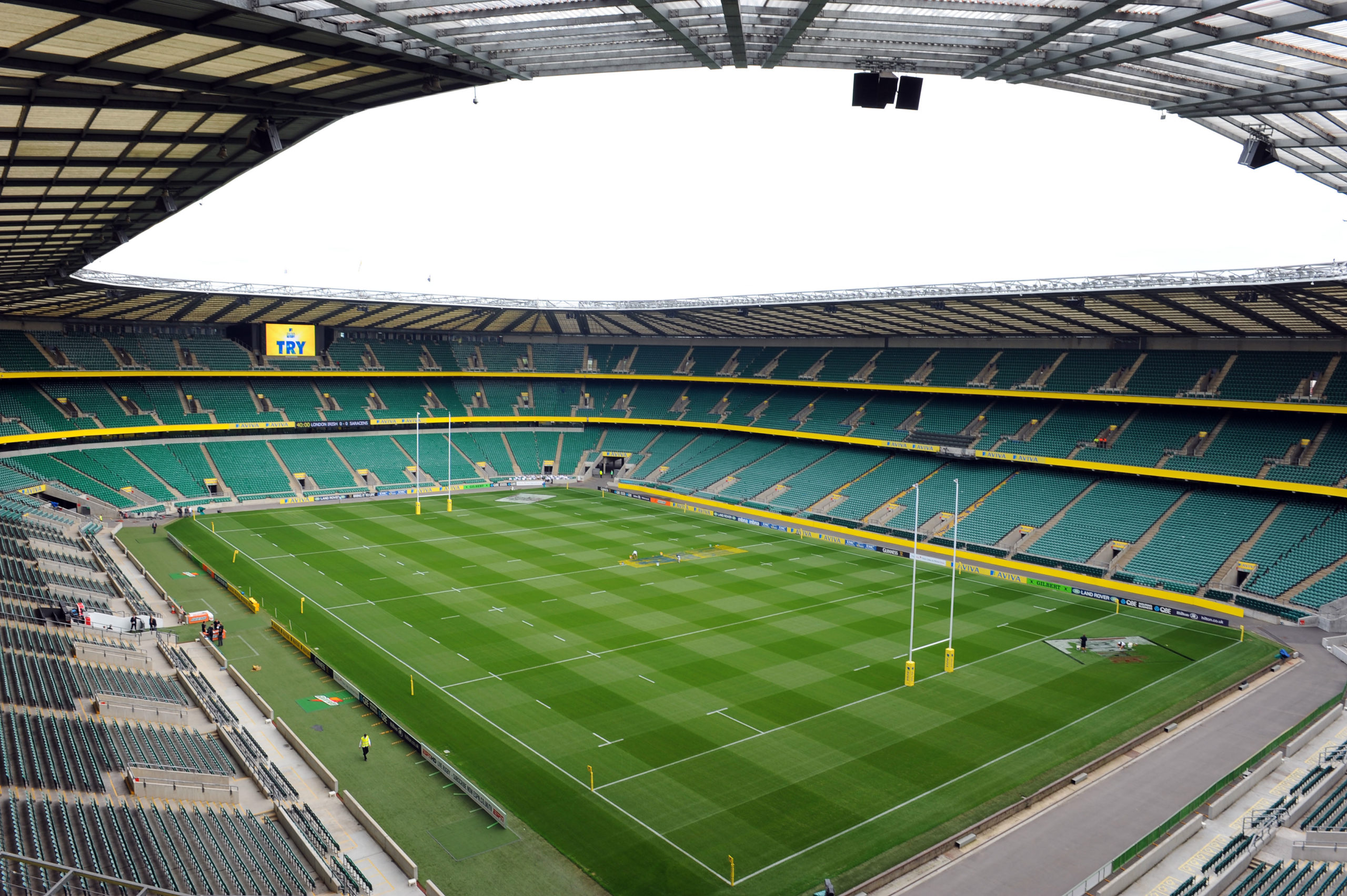
International rugby is about to get a new, more structured “middle tier” storyline. The World Rugby Nations Cup launches in 2026 as part of the revamped international calendar, designed to give teams outside the traditional annual majors more certainty, more meaningful fixtures, and a clearer narrative between World Cups. World Rugby has framed it as a competition that supports performance gains and revenue growth, while also helping unions prepare for the expanded Men’s Rugby World Cup 2027 in Australia.
If you’ve ever felt that “Tier 2” international rugby can be brilliant but hard to follow—sporadic tours, uneven opponents, long gaps this tournament is meant to fix that. The key idea: competitive matches in predictable windows, so players develop against consistent standards and fans can actually plan their viewing.
What exactly is the Nations Cup and how is it different from the Nations Championship?
Think of 2026 as a two-tier setup. At the top, the Nations Championship features the biggest annual powers from the Six Nations and the Rugby Championship, plus Japan and Fiji, played across the July and November international windows.
The World Rugby Nations Cup runs alongside that top tier and is aimed at the next group of international teams many of them rising programs that have earned their place through the Rugby World Cup 2027 qualification pathway. World Rugby’s messaging here is blunt: these unions need regular, meaningful tests to close the gap, and the calendar needs to stop treating them like optional add-ons.
When will it happen, and when do we get the schedule?
What we know with certainty: the Nations Cup will be played across the July and November international windows in 2026 and 2028.
What we don’t have yet (as of January 2026): the full pools, match schedule, and locations. World Rugby has explicitly said those details will be “unveiled in due course,” so any fixture-by-fixture predictions right now would be guesswork.
The practical expectation, though, is that it will mirror the rhythm of the top tier: a chunk of matches in July, then the rest in November, with standings built across both windows. That structure matters because it makes performance “stick” over time teams can’t treat July as a warm-up if points and ranking consequences land in November too.
The stages fans should expect in 2026
Even without a published match list, the Nations Cup concept points to a simple, fan-friendly arc:
- July Window: the first wave of cross-hemisphere tests
This is where travel, depth, and preparation get exposed. Emerging teams often look sharp early, then struggle when fatigue and injuries hit July is where you learn who has the squad to survive the grind. - November Window: the pressure window
November tends to be colder, more physical, and tactically tighter particularly in Europe. For teams chasing credibility, this is where they prove their style travels. - Table outcomes and “meaningful finishing positions”
World Rugby’s calendar redesign is built around giving these teams competitive certainty and clearer narratives between World Cups.
Even if 2026 doesn’t include a single grand final day for this tier (World Rugby hasn’t confirmed that piece publicly yet), standings still matter: they influence momentum, ranking conversations, and how seriously opponents treat you going into the World Cup cycle.
Possible teams: who is likely to be involved?
On the team list, World Rugby has already named Canada, Chile, Georgia, Hong Kong China, Portugal, Romania, Spain, Tonga, Uruguay, USA, and Zimbabwe as qualified and therefore in line for the inaugural Nations Cup.
The “final slot” was tied to the Final Qualification Tournament in Dubai, which decided the last Rugby World Cup 2027 place. That tournament is no longer a mystery: Samoa secured the final spot after a draw with Belgium on 18 November 2025, completing the Men’s Rugby World Cup 2027 line-up.
Because World Rugby linked Nations Cup participation to Rugby World Cup qualification for teams outside the top tier, Samoa is the clean, logical completion of the 12-team picture.
If you’re looking for storylines, this lineup has them baked in:
- Georgia as the perennial “ready for more” side, always one strong window away from forcing the conversation.
- Portugal and Spain as proof that modern attacking identity can emerge fast with the right pathway.
- USA and Canada with different rebuilding pressures, but a shared need for regular meaningful tests.
- Chile and Uruguay representing real momentum in South America’s rugby ecosystem.
- Tonga and Samoa as teams whose ceiling can look completely different when player availability and cohesion align.
Why this tournament might matter more than people expect
The Nations Cup isn’t just “more matches.” It’s an attempt to solve the development problem international rugby keeps tripping over: you can’t improve against Tier 1 standards if you rarely play Tier 1-adjacent intensity. World Rugby is pitching the Nations Cup as “unprecedented certainty and clarity” for those unions stable test content, competitiveness, and better commercial footing.
It also lines up neatly with the expanded Rugby World Cup format in 2027. More teams at the World Cup means the middle class of international rugby needs sharper edges, otherwise the tournament becomes top-heavy.
A simple way sports websites can monetise rugby traffic
Rugby coverage spikes around international windows: “who’s in the squad,” “how the format works,” “travel schedule,” “why rankings matter,” and match previews once fixtures are public. If you own a sports site, that attention is valuable but ads alone often pay poorly unless you’re operating at huge scale.
One alternative is affiliate marketing: you publish useful content, and when a reader chooses to sign up on a partner platform through your referral link and make bets, you earn a commission that’s tracked automatically. In the iGaming space, this is usually done through a partner dashboard with referral links, cookie tracking, and performance statistics so you can see what pages actually convert and which topics only generate clicks. For sports-focused publishers, MelbetPartner can be used as a practical monetisation layer: it’s built for webmasters, media pages, and content projects that already cover sport, and it offers common commission models CPA (a fixed payout for qualified new customers) and RevShare (a percentage based on longer-term activity) with reporting that helps you understand performance by GEO, traffic source, and device. The benefit for beginners is clarity: you’re not “selling,” you’re monetising existing demand with transparent tracking, while keeping rugby coverage editorial-first rather than turning it into spam.
What to watch first when details drop
Once World Rugby publishes pools, venues, and the match list, focus on three things:
- Travel reality: who gets the hardest logistics and shortest recovery windows.
- Opponent mix: some schedules will be brutally balanced; others will quietly set up a “must-win” run.
- Depth vs. identity: Nations Cup rugby rewards teams that can keep their shape and discipline even when the bench is under pressure.
The Nations Cup is designed to make international rugby below the very top feel less random and more consequential. If World Rugby delivers on schedule clarity and competitive balance, 2026 could be the year a few nations stop being “good stories” and start looking like genuine threats by 2027.


Features
OSCAR WILSON


BUCS Super Rugby
Cardiff Met’s Gus Patterson on becoming Bridgend’s next rugby star



The best betting sites















You must be logged in to post a comment Login