

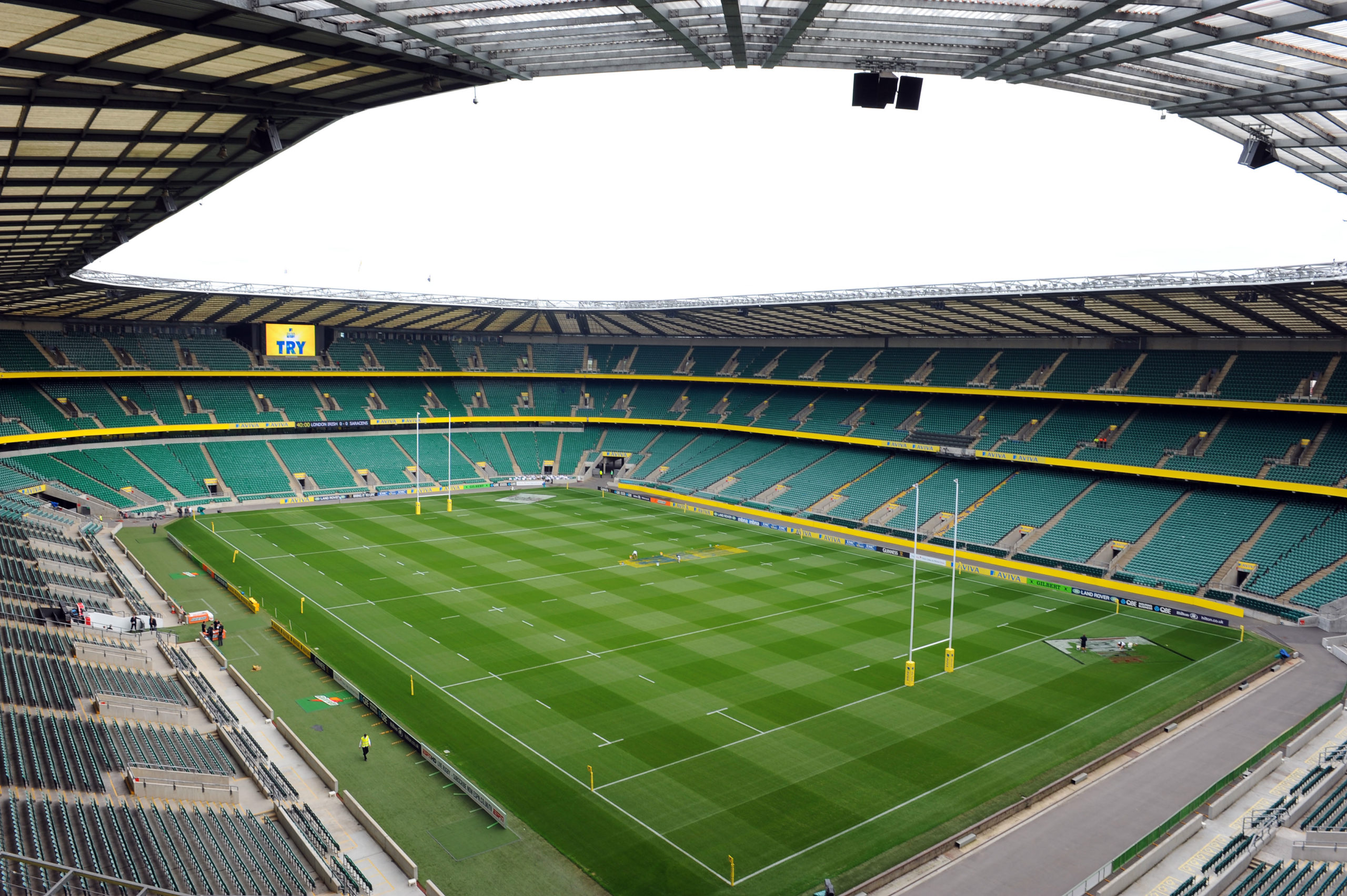
Rugby in 2026 won’t give anyone the luxury of a long run-up. The Six Nations begins on February 5 and finishes on March 14, with France opening against Ireland in Paris before the tournament drifts through its familiar late-winter moods—muddy pitches, bright breath, and sudden reinvention. By the time the northern club season has been chewed and spat back out, a new international shape appears: World Rugby’s Nations Cup is set to launch in July 2026, and the wider Nations Championship is scheduled to run across the July and November windows, with a finals weekend listed for 27-29 November 2026 in London. In the southern hemisphere, the old certainties are shifting too: Reuters reports that The Rugby Championship will not be held in 2026, a calendar tremor that changes how teams build momentum.
With all that noise, the players who matter are the ones who can stay sharp when the week-to-week story changes.
February as a lie detector
The Six Nations is where reputations are tested in public, with nowhere to hide but the next ruck. France vs Ireland on the opening night is a match that often feels like a referendum on the previous year. A name like Antoine Dupont doesn’t need much introduction. Still, his 2025 Six Nations knee injury makes 2026 a question of recovery, rhythm, and whether a player can return to dictating the tempo the way he used to.
Ireland’s shape still leans on decision-makers who can turn pressure into calm, while England’s narrative keeps circling back to the same uncomfortable fact: the shirt is heavy, and the camera is always close. Marcus Smith remains the sort of fly-half who can make a crowd believe a gap exists simply by looking at it, and that kind of confidence matters when matches tighten late.
The men who play the metronome
A scrum-half isn’t just a passer; he’s a metronome with shoulders. Watch who sets the pace, because 2026 is built for teams that can change speed without changing character.
Dupont is the obvious headline, but the deeper story is how many sides now want their nine to be a threat as well as a messenger. Ireland’s control game depends on crisp service and smart kicking. England’s best moments often arrive when their tempo rises without becoming careless. In tight matches, the scrum-half is the first person to sense the mood and the last to admit it.
If you want an early-season tell, don’t just watch who wins the collision. Watch who hurries the conversion, who slows the lineout, who steals three seconds when everyone else is counting minutes.
The back-row arms race
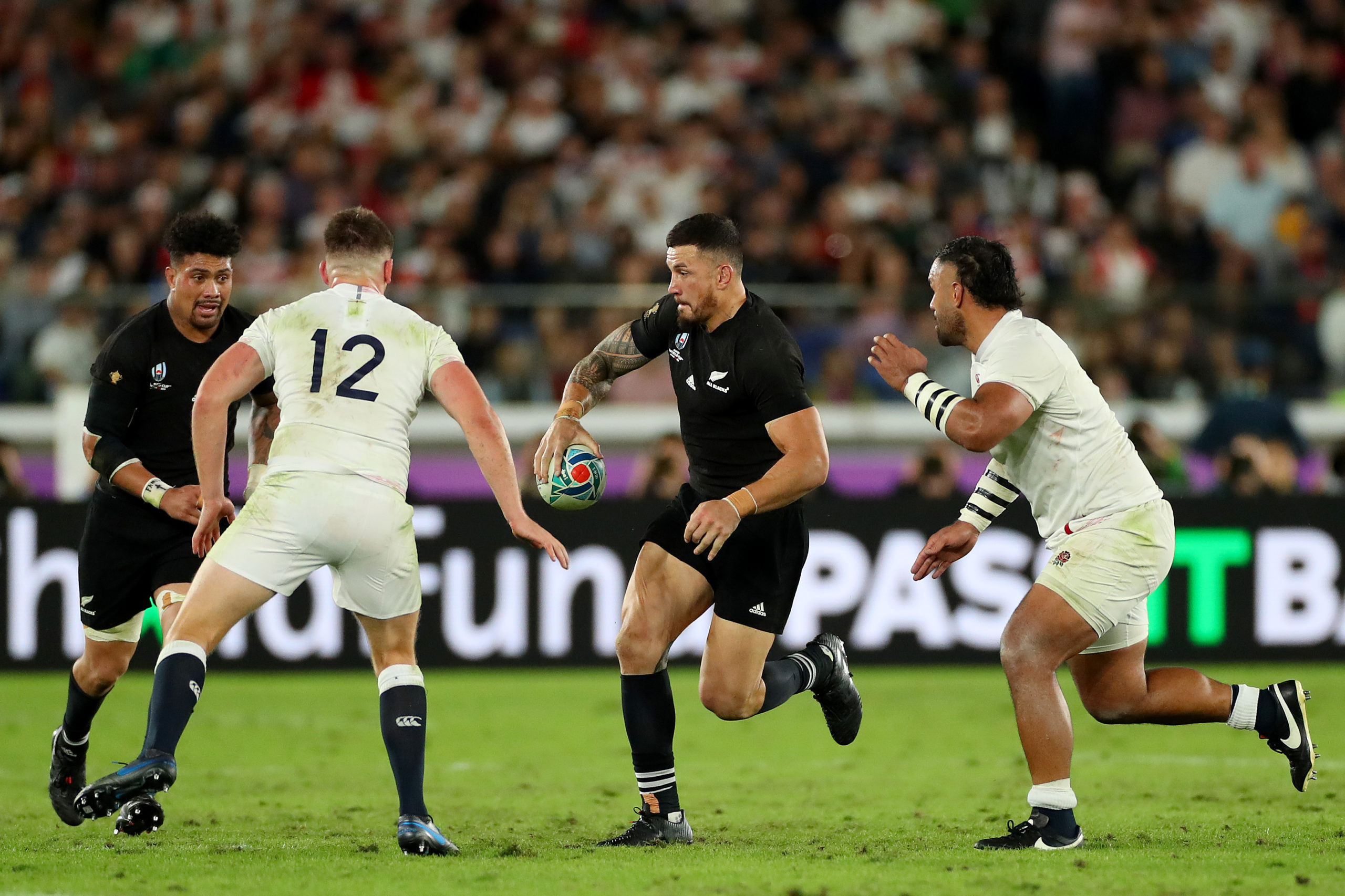
Front-row battles make the headlines, but modern rugby is often decided by the men who arrive second and leave third. The back row in 2026 looks like a contest between power and precision: ball-carrying that bends defenders, and breakdown work that breaks hearts.
In Australia, Harry Wilson is a useful barometer because his game is built on work rate and timing rather than a single trick. Reuters reported in mid-January 2026 that Wilson underwent minor knee surgery and was expected to miss around six weeks, with the Queensland Reds opening their Super Rugby Pacific season against the Waratahs on February 13. That sort of interruption is common now: players aren’t merely managing opponents, they’re managing calendars.
In the north, you’ll see the same dynamic in different clothing. Teams that win big tournaments rarely do it with one heroic tackler; they do it with three forwards who rotate jobs like a practiced crew.
Markets move on whispers, not history
Betting culture in rugby has always loved the romance of tradition. Yet the modern reality is more granular and far less sentimental: squad announcements, injury updates, travel schedules, and the way a referee polices the breakdown can shift expectations faster than a highlight clip.
Across global betting sites (Arabic: مواقع مراهنات عالمية), the sharpest movement often arrives before a ball is kicked, because rugby is a sport of systems as much as stars. That’s also why MelBet tends to attract fans who want more than a hunch: it follows team news, watches how a bench is built, and treats discipline and kicking percentages as real information rather than trivia. The healthiest version of that culture keeps the stakes small and the thinking clear enough to heighten the match, but not so much as to make it feel like a bill.
Turning air into points
If 2026 has a theme, it may be the value of players who need only half a chance. Defensive systems are too organized to allow repeated breaks; teams now prize wingers and fullbacks who can convert scraps into tries.
France’s Louis Bielle-Biarrey is a good example of how quickly a player can become essential: Sky Sports noted he scored eight tries in 2025, the most in that Six Nations. That doesn’t guarantee anything in 2026, but it does underline a truth about elite rugby: finishing is a skill, not an accident. Scotland’s wide threats keep matches alive even when the pack is losing. Italy’s best moments often come when their backs play with the sort of unembarrassed ambition that richer teams sometimes forget.
The lesson for any side is blunt: you can dominate territory all afternoon, and still lose to one touchline sprint.
The phone as part of the matchday
Rugby’s calendar now lives on screens as much as it lives on grass. Team sheets drop online, late injury notes circulate, and every supporter has a private pre-match ritual: coffee, headphones, and a scroll through updates that can tilt the mood.
Some fans keep melbet download (Arabic: melbet تحميل) saved alongside their usual match trackers, because it’s easier to follow markets, line movement, and live stats from a single place while the sport ricochets between club rounds and international windows. The better habit is to treat this like any other entertainment tool: set limits, keep perspective, and remember that rugby’s best surprises are the ones that make you laugh at your own certainty.
The year will belong to the adaptable
The real winners in 2026 won’t just be the most famous players. They’ll be the ones who stay useful across shifting conditions: a wet February test, a frantic club run-in, a July international block, and a November finale built to feel like an event.
Watch the players who can do more than one job without announcing it. Watch the leaders who look calmer when the plan breaks. And watch the ones who still play like the ball is a living thing, not a spreadsheet. In a year this busy, that might be the rarest skill of all.


Features
OSCAR WILSON


BUCS Super Rugby
Cardiff Met’s Gus Patterson on becoming Bridgend’s next rugby star



The best betting sites















You must be logged in to post a comment Login