

On the surface, casino tables and rugby pitches seem to live in completely different worlds. Yet the nimble thinking, bold moves, and steady nerves that push a scrum over the try line also help a blackjack player edge past the dealer. Rugby Union betting fans who scan odds on https://najboljsaspletnaigralnica.si/spletne-stavnice develop sharp eyes for patterns and timing, skills that smoothly carry over to other sports. Both settings reward people who prepare, trust their plan, and adapt in time when the unexpected happens. The divide is smaller than first impressions suggest. By treating every hand like a set play and every spin like a quick counter-attack, casino players can borrow rugby wisdom to boost both fun and profit. This article explores the common ground between studs and chips, showing how field tactics become table strategies. From reading gaps in a defense to managing the clock, the ways ruggers plan and adjust offer practical tips for poker, roulette, and even slots. Grab a seat, keep your head up, and see how a game rooted in mud and sweat can brighten the neon glare of the casino floor.
Reading the Field: Situational Awareness
Before a fly-half kicks the ball, he surveys every angle—the distance, wind, and opposing formation. Casino players benefit from the same habit. Instead of grass and weather, they study table limits, dealer style, and the mood of fellow participants. Taking thirty quiet seconds to watch a roulette wheel spin or a poker dealer shuffle reveals rhythms that reckless gamblers miss. In rugby, spotting a weak tackler opens space for a break; at blackjack, noticing a distracted dealer may signal slower hands and more counting time. Situational awareness also keeps bankrolls safe. It sharpens judgment, slows the pulse, and gives the brain time to weigh odds versus emotion. Experienced rugby captains say, “see it, call it, do it.” The same mantra works just as well amid ringing slot machines. Just as a fullback will refuse a risky offload deep in his own half, a smart gambler walks away from volatile side bets when the odds look lopsided. By building a routine—observe, note, then act—players avoid emotional lunges. They make deliberate moves that feel almost automatic, like seasoned rugby veterans sliding into position. Awareness turns random chance into informed opportunity.
Building a Game Plan: Bankroll or Ball Control
In rugby, teams do not charge onto the field hoping luck saves them; they arrive with a playbook, set moves, and a clear target score. A casino player’s bankroll plan works the same way. Before the first chip leaves the rack, a budget, profit goal, and exit point should be written—mentally or on paper. Coaches talk about possession: keep the ball and you control the match. Gamblers talk about bankroll: keep the money and you stay in the game. Using percentage stakes mirrors phased play. For example, wagering only two percent of funds on each blackjack hand is like recycling the ball through safe passes until space opens. Keeping that ratio steady through wins and losses protects the stake from sudden swings. It replaces streak chasing with disciplined, clock-like progress. Just as a coach measures territory gained, a gambler can chart chips earned per hour. Momentum matters, too. When a rugby side feels pressure, it may kick for territory, gain breathing room, and reset. A player on a cold streak can mirror this by switching to low-volatility games or taking a short break. Strategic money control turns raw luck into a structured contest.
Teamwork and Table Talk: Communication
Even the most gifted winger relies on clear calls from teammates. A single shout of “inside!” can stop a turnover and start a try. Casino floors might look like solo territory, but quiet cooperation offers real value. In poker, reading subtle chatter helps decode ranges; in craps, polite talk with shooters reveals table energy. Respectful manners build goodwill, and goodwill leads to shared information. Think of it as the ruck: everyone protects the ball so the next phase unfolds smoothly. Likewise, players who watch each other’s bets learn which numbers or cards are trending. Communication also tempers emotion. Positive talk creates a feedback loop where energy stays upbeat even during unlucky runs. Teams that laugh together tackle harder; players who share a joke at the table stay relaxed and think clearly. When a friend reminds someone to stick to budget, it mirrors a captain calming a heated lock after a hard tackle. Casinos allow side-confers as long as they stay courteous and do not delay play. Using short, focused cues—“hit soft 17,” “odds behind the line,”—keeps the group aligned. Proper talk turns scattered gamblers into a supportive squad.
Learning from Every Play: Review and Adapt
Match day does not end with the final whistle. Coaches huddle around video screens, break down errors, and praise successes. Casino players can hold their own post-game review, even if it happens over coffee instead of a locker room. The key is honesty. Write down what games were played, which bets won, which slipped away, and why. Patterns emerge quickly: maybe aggressive doubling paid early but backfired later, or perhaps side bets drained the stack. Rugby analysis leads to revised drills; casino analysis leads to tweaked strategies. Adaptation keeps both athletes and gamblers ahead of the curve. When rules change—such as new side-bet options—or when tables use continuous shuffle machines, flexible players pivot without panic. They see change as fresh space to exploit, not a threat. In the long run, that growth mind-set spells the difference between casual fun and consistent edge. By turning every session into a lesson, players keep improving after the lights dim.


International Rugby
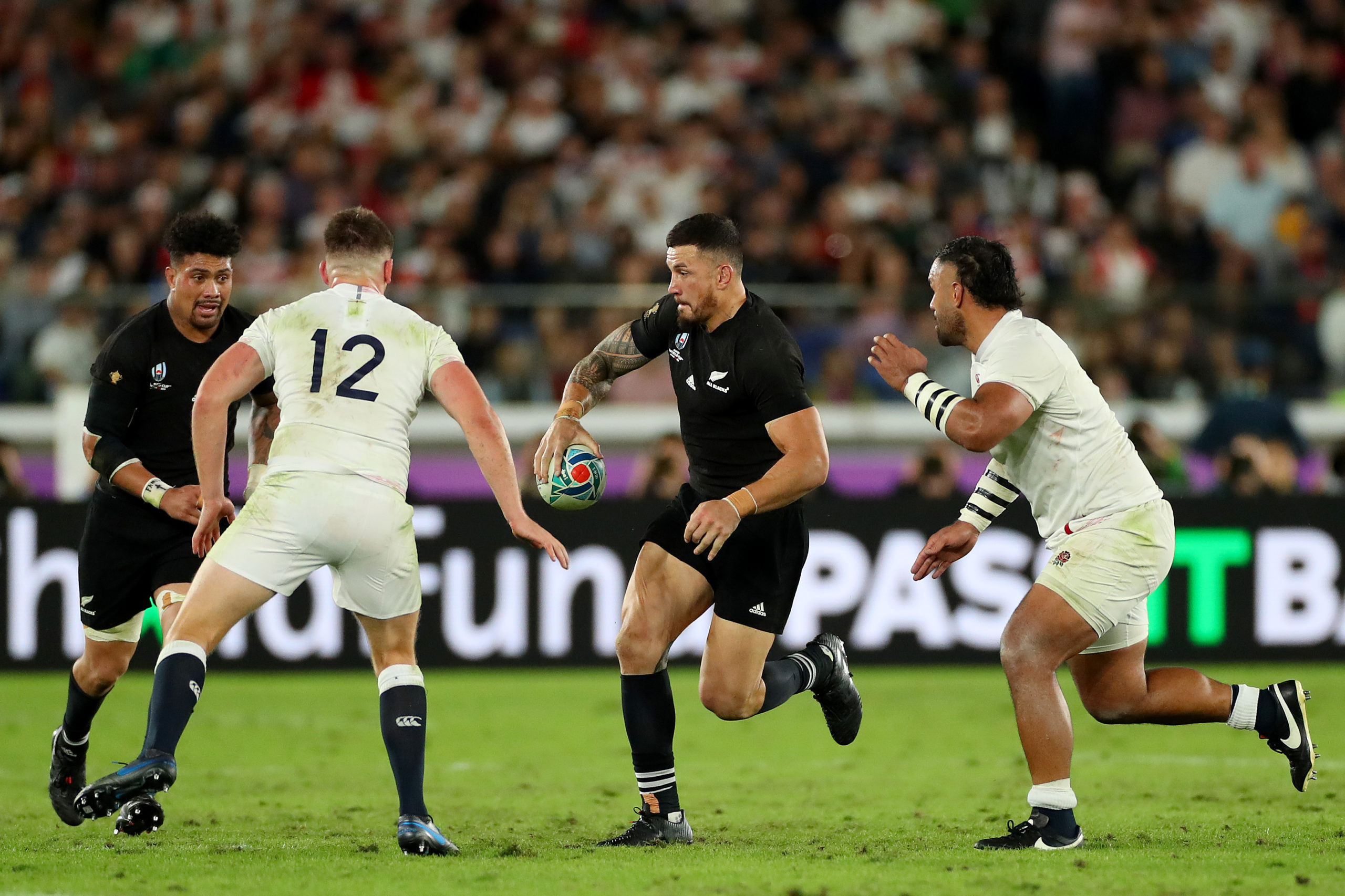
Heartbreak for England as Thomas Ramos snatches the Six Nations title for France






The best betting sites















You must be logged in to post a comment Login