

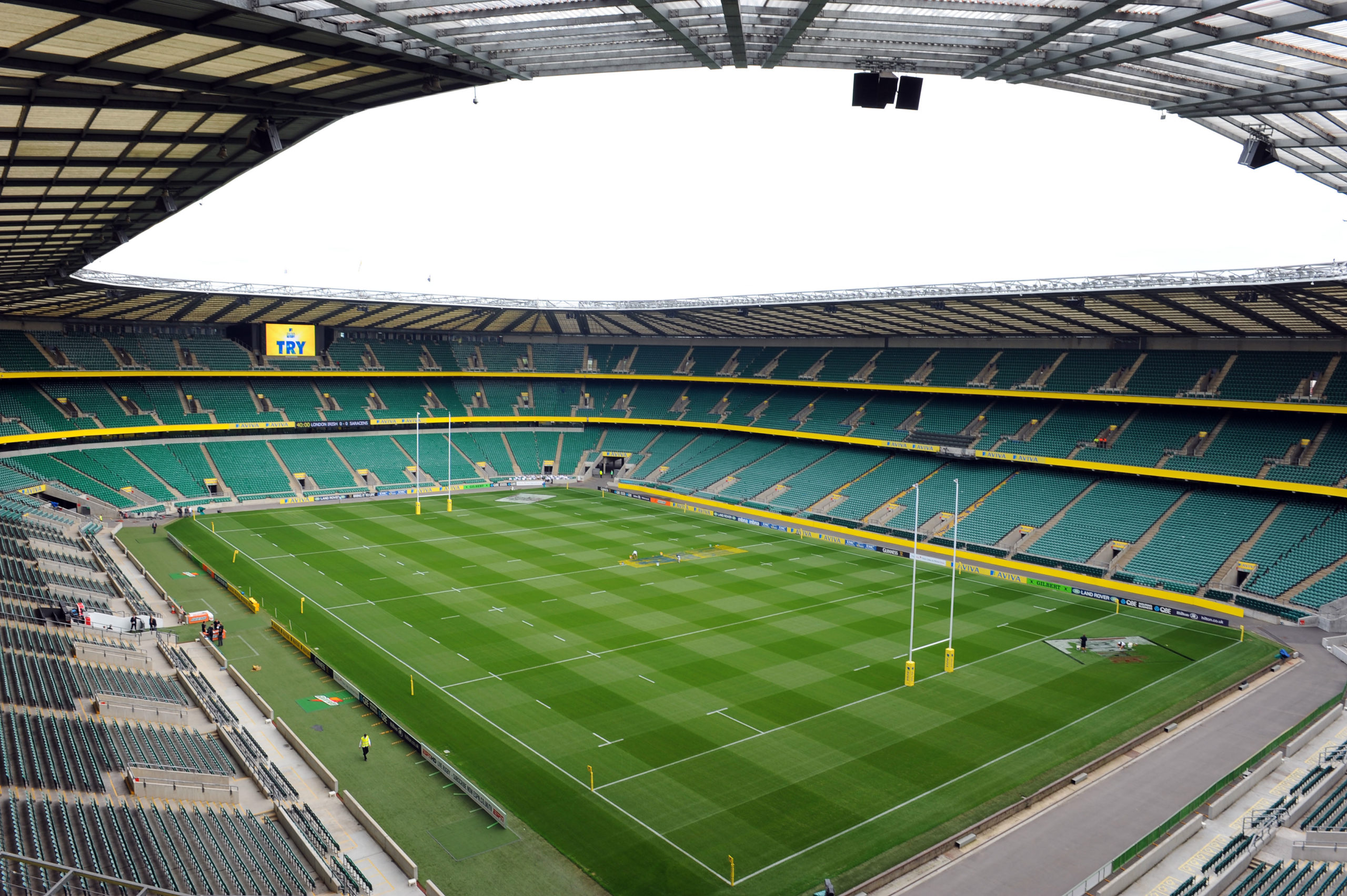
Tactics in rugby have grown over time, shaped by a mix of tradition and modern thinking. Some strategies have stood the test of time, while others have changed to keep up with the speed and intensity of the game. Two of the most recognizable approaches are the pick-and-go and blitz defence. One focuses on patience and physical control, while the other brings urgency and pressure. Top teams don’t stick to just one. They shift between them, depending on the situation. When used together, these strategies show how rugby continues to evolve while staying rooted in what works.
Origins of Tactics: What’s Old Still Works
Systems like the pick-and-go and drift defence are not outdated. They continue to offer control when the game demands clarity over chaos. Their simplicity helps teams reset tempo, manage possession, and exploit fatigue. Instead of being phased out, these tactics are being refined and redeployed alongside newer, more aggressive systems.
The Pick-and-Go: Still a Territory Grinder
Pick-and-go phases offer short, controlled gains around the ruck. They suit wet conditions, heavy traffic zones, and moments when retaining possession is more important than expansive play. Forwards recycle the ball quickly, keep defenders engaged near the breakdown, and wear down the opposition.
- Reduces turnover risk near the ruck
- Draws defenders inward and narrows the line
- Sets up wider attacks by compressing the defence
- Builds momentum without requiring wide movement
This tactic remains a dependable tool, particularly close to the try line or during phase-heavy builds where risk must be minimized.
The Classic Drift and Up-and-Out Defensive Lines
Defensive lines that shift laterally, such as the drift or up-and-out systems, still play an important role in the modern game. They help guide attacking play toward the sidelines and give defenders a chance to stay organized without having to take unnecessary risks. These setups are especially useful for covering space and supporting players who may be slower or slightly out of position, focusing more on structure than speed.
They tend to work best against well-formed, wide attacks that follow a clear shape. However, their biggest vulnerability shows up when the opposition uses sharp inside passes or sudden offloads that catch defenders moving sideways and off balance.
The Blitz and Beyond: How Modern Defence Redefined Pressure
Blitz defence has changed the way teams approach pressure. Rather than sitting back and reacting, defenders step up early and take the space away from the ball carrier. This forces the attacking side to make faster decisions and often leads to rushed plays. While the blitz brings plenty of energy, it also relies heavily on structure and precise timing to be effective.
Anatomy of the Blitz
A blitz must move as a single unit. If one player advances too early or too late, the entire system becomes exposed. The lead defender sets the pace, while inside and outside support must react instantly to maintain shape and prevent gaps.
- Timing: All defenders need to launch together to avoid leaving gaps in the line.
- Pressure: Disrupts slow-developing plays by forcing rushed decisions.
- Risk: Miscommunication can lead to defensive breakdowns.
- Condition: Most effective when players are physically sharp and fully aware.
Teams use the blitz to create panic, shut down patterns, and force turnovers. It only works when built on trust, preparation, and quick judgment.
Defensive Data and Live Adjustments
Analytics now inform when and how to use pressure-based systems. Coaches track spacing, fatigue, and tackle success using live data. Changes can be made within minutes, not just at halftime.
GPS systems show player output in real time. Coaches watch for drop-offs in line speed or reaction time. When performance dips, systems can shift from high-pressure blitzing to safer containment until recovery. This integration of technology supports tactical shifts that used to rely only on observation.
Decision-Making Under Pressure: The Human Factor
Every tactic is powered by human choice. Whether to blitz or hold the line, recycle or kick, depends on a player’s judgment in the moment. Training can simulate match conditions, but execution depends on clear decision-making under stress.
Cognitive Load and Split-Second Calls
Mental fatigue can have a major impact on performance. As the game speeds up, players are expected to read and respond to several cues at once, such as opposition shape, teammate positioning, and ruck dynamics. Making the right decision in these moments is critical, especially when pressure builds late in a match.
- Slower reactions: Fatigue delays how quickly players process what they see and act on it.
- Hesitation: Many mistakes happen not because of poor systems, but because of second-guessing.
- Training under pressure: Repeated exposure to high-pressure scenarios helps build reliable decision-making.
- Preparedness: Mental clarity comes from consistent practice, not from hoping to figure things out during a match.
A well-timed decision can be the difference between gaining ground or losing possession. This is why cognitive conditioning is just as important as physical preparation in today’s game.
Simulating Pressure in Training Scenarios
Modern training environments rely on scenario-based drills that replicate the unpredictability of real match conditions. Coaches adjust ball movement, spacing, and tempo to force players into making quick, high-stakes decisions. These exercises build instinct, sharpen recognition, and improve confidence under pressure.
A similar principle applies in certain online games that emphasize timing and sequence. Some virtual arcades, such as crowncoinscasino.com, offer demo modes and free coins so players can explore gameplay without needing to make a deposit. This kind of low-risk, decision-based interaction mirrors how repetition and uncertainty are used in rugby to develop split-second judgment and situational control.
Coaching Tactics That Bridge Eras
Coaches now prepare players to shift styles on demand. Some moments call for pick-and-go simplicity, others for blitz urgency. Teaching when to switch, not just how, is the heart of today’s training philosophy.
Teaching Pattern Recognition Through Hybrid Drills
Drills have evolved from static to dynamic. Sessions often begin with structure and introduce unpredictable elements partway through. Players are expected to adapt in motion, rather than pausing for instructions. According to World Rugby’s agility training guide, small-sided games and reactive scenario drills help develop decision-making under pressure by simulating game-speed triggers.
A pick-and-go phase might suddenly transition into an open-field press. Players are trained to recognize these moments through embedded cues, learning to act instinctively and apply the right tactical response without delay.
Choosing the Right Moment: Contextual Adaptability
The modern game demands not only flawless execution but also precise timing. A tactic that works in one moment may fall flat in another. This is why players are trained to read the situation before committing to a system. Coaches now emphasize adaptability, pushing players to evaluate what’s unfolding on the field and adjust in real time.
- Scoreline and time remaining
Decisions shift depending on whether a team is chasing points or protecting a lead in the final minutes. - Field position and space available
Certain tactics are more effective in the midfield, while others make sense only near the goal line or touchline. - Opposition fatigue or substitutions
Tired defenders or fresh legs off the bench can influence whether to play fast, wide, or slow and direct. - Internal team momentum and cohesion
Teams with rhythm and clear communication can afford more tactical risks, while disjointed phases call for simplicity.
Adaptability has become a core skill. Teams that recognize these signals and react quickly are often the ones that take control when the match is on the line.
Conclusion: Harmony, Not Conflict
There is no single blueprint for winning rugby. The strength of modern play lies in knowing when to stay grounded in structure and when to take calculated risks. Pick-and-go phases offer control and rhythm, while blitz defence adds urgency and unpredictability. Each has its place, and the true skill lies in shifting between them without hesitation.
What separates high-level teams isn’t just tactical variety, but the ability to read the moment and respond with clarity. That kind of adaptability, rooted in both preparation and instinct, is what defines smart rugby today.


International Rugby
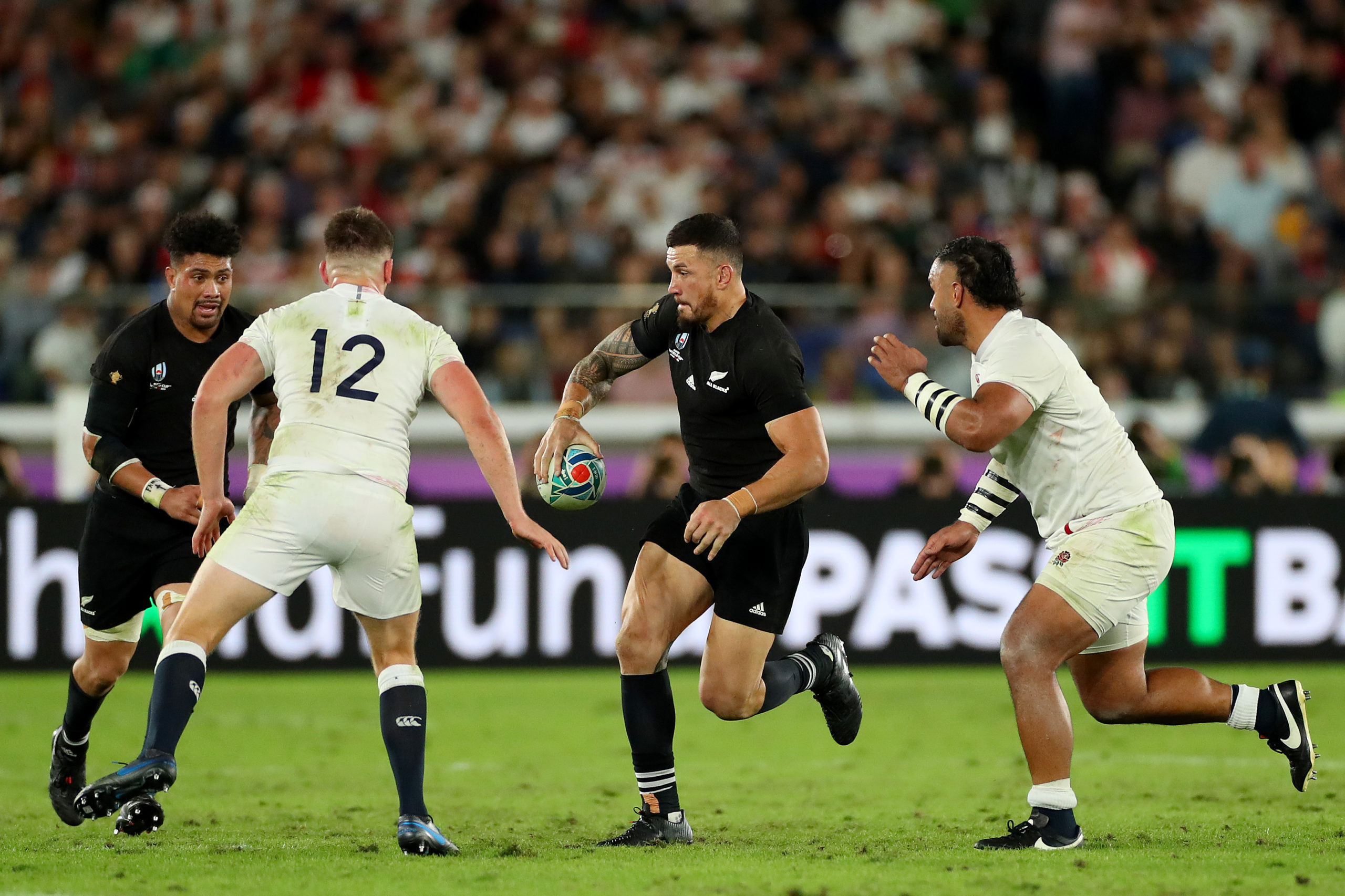
Heartbreak for England as Thomas Ramos snatches the Six Nations title for France






The best betting sites















You must be logged in to post a comment Login