


COACH TO COACH
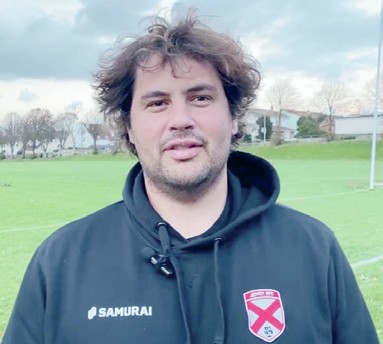
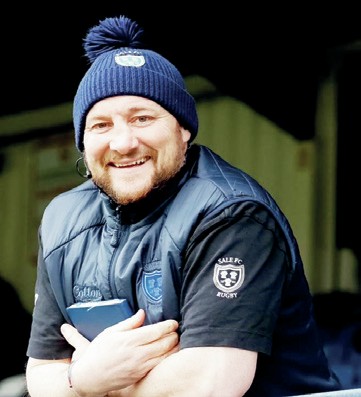
Former Richmond director of rugby Steve Hill puts the questions to Scott Barrow, the head coach at Sedgley Park Tigers
Why did you get into coaching rugby and how did you arrive at your current position?
I was a professional rugby player for 16 years at St Helen’s, Worcester, Rotherham, Glasgow and Leeds. After finishing as a player I coached part time for four years at Sedgley Park but also worked in the RFU Yorkshire Academy and then full time at the Wasps Academy. After Wasps went into administration I was asked to go full time at Sedgley Park.
How would you describe your style of coaching?
I would say it is very much a supportive one. I want to get the best out of individual players. I would also say I am very strategic in my approach.
What do you find the most challenging aspects of coaching?
One of the biggest challenges is to remain positive when things do not go the way you want them to. I also have to be mindful that for players at National One level rugby is only a part of their lives. We are not working in a full time professional environment and I have to remind myself to keep that sense of perspective.
Has anyone been a mentor on your coaching journey and how has that helped?
I have been lucky to have been coached by many good coaches. Through friends now coaching in clubs like Sale, Leicester and Bath I am lucky to be able to access those environments to keep lear ning. I am still very much a student of the game.
So far what would you count as your most significant coaching achievement and why?
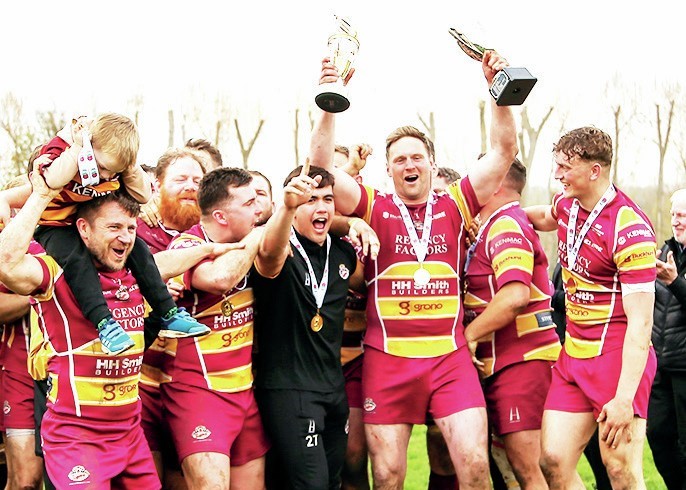
From coaching in academies seeing players now being regular Premiership players. Likewise players like Matt Gallagher who were at Sedgley and are now in the Premiership. Probably what I’m most proud of is last season Sedgley Park winning promotion to National One and then this season being very competitive and remaining in National One.
After gaining promotion last season to National One what plans were put in place to ensure you stayed in that division?
From a coaching perspective we worked really hard on our attack in the summer.
In addition we spent a lot of time making sure our players adapted to the new tackle height laws. We knew we needed an experienced fly-half at this level so we were really pleased when Warren Seals came on board. He is likely to end up as leading points scorer for the league this season.
What differences have you found as a coach and what have your players found different being in National One this season?
The opposition teams do a lot more homework on areas such as lineouts call and spend more time reviewing how we play. This has meant we have had to learn to adapt and change things to keep ahead. The level of intensity is higher, the players are more athletic and you have to work for everything. Previously we could get away with a bad perfor mance but that is not possible at National One level.
Would you prefer National One to stay as one league or to be split North and South?
Before being in National One I probably would have said I preferred a split but now having experienced it, and with the players and supporters really enjoying it, I think it should stay national. It would be great to see more northern teams in this league.
Name a player who you have really enjoyed coaching/developing and why?
Olly Hartley is a player I worked with extensively when he and I were at Wasps. We worked incredibly hard on his tackle technique and it is fantastic to now see him in the centre for Saracens 1st XV and get an England A cap against Portugal.
What more could the RFU do to assist clubs who are not full time professional?
They could do much more for coach development at National League level. With dual registration, National One coaches are working with potential future Premiership and inter national players and there could be more support for these coaches. In addition there should be a financial reward for National One clubs who develop young players into Premiership and inter national players.
What two laws or aspects of the game would you change to make it a better experience for either yourself or your players?
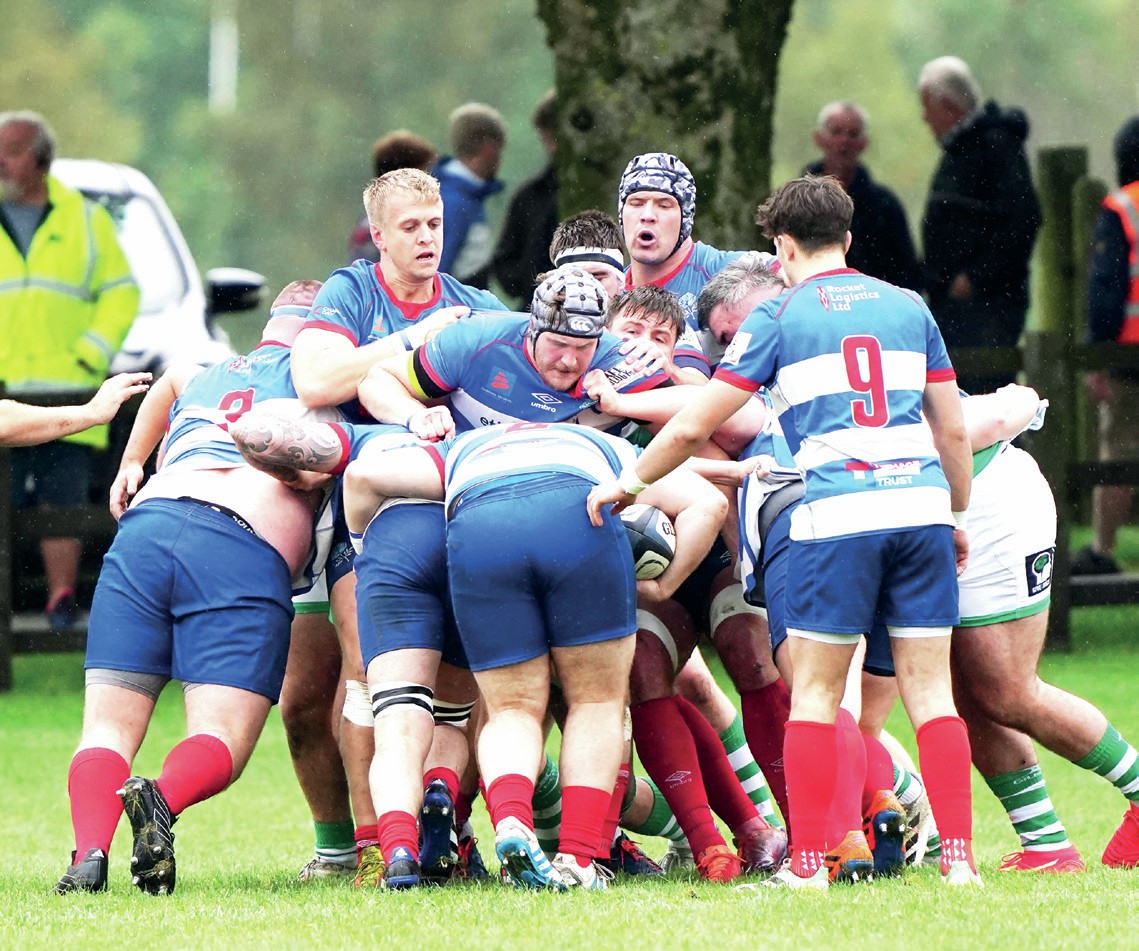
The amount of time between a scrum being awarded and the ball emerging has to be sped up for both players and spectators. We also need more support for match officials around the tackle height law to improve consistency.
What two words would your current or previous players use to describe you as a coach and why?
Caring and emotional.
What advice would you give to anyone considering or starting to get involved in coaching rugby?
Be a student of the game, pinch the good bits from other coaches and adapt them to your situation, vary the content of your sessions. Ensure your players know you care about them and that you want them to improve and enjoy their rugby.