

Round two of the Six Nations brought Ireland and Scotland their first wins, showcased France‘s attacking brilliance, and left England and Wales facing tough questions.
From standout performances to tactical struggles, the second round gave plenty of clues about which teams are shaping up nicely to take the crown this year.
Here, The Rugby Paper writer Will Judd breaks down what we learned from all of the six nations after round two.
For exclusive stories and all the detailed rugby news you need, subscribe to The Rugby Paper website, digital edition, or newspaper from as little as 14p a day.
Ireland
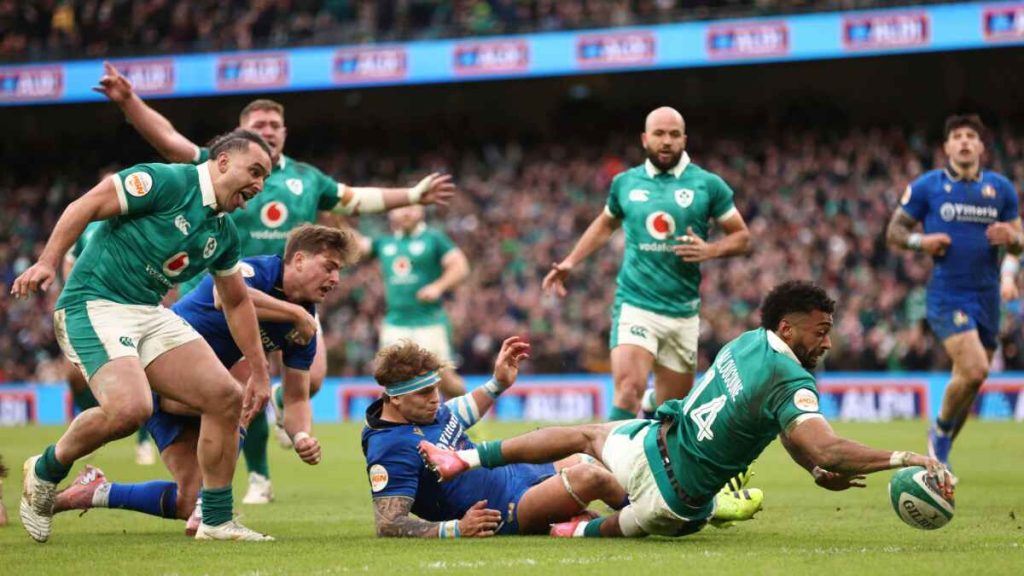
Ireland showed plenty of heart to bounce back from their opening round loss against France, with a victory against a spirited Italy side.
The Irish back line seemed far more steady with James Lowe back in the starting lineup, who provided that much-needed extra physicality amongst the backs.
There was plenty of passion shown from this Irish side, but there are still some glaring issues for the men in green.
Sam Prendergast struggled yet again at fly-half in the opening 50 minutes; his relative inexperience and lack of physical strength meant he was often suffocated in open play.
The backs were far better organised once Jack Crowley was on the pitch, and surely, he must be Andy Farrell’s best option against England this weekend.
Elsewhere, Ireland were outmuscled at the scrum yet again, although Tadhg Furlong did sure things up somewhat.
It was a win and an improvement, but there is still a long way to go in this Ireland rebuild.
Italy
At half-time, it looked very much like Italy could go on to make history, but alas, they just fell short.
Nevertheless, the Italians impressed yet again.
Their scrummaging was again dominant. Powered by Simone Ferrari and Danilo Fischetti, they displayed that last week wasn’t a fluke and their pack is the best it has ever been.
In the backs, Paulo Garbisi was excellent and is becoming a more complete number ten with every game he plays.
It could have been two out of two if it wasn’t for a controversial TMO decision, which deemed a try-scoring pass to be forward.
There is so much positive about this side, and they could be France’s toughest test yet next Sunday.

PICTURE: Getty Images
Scotland
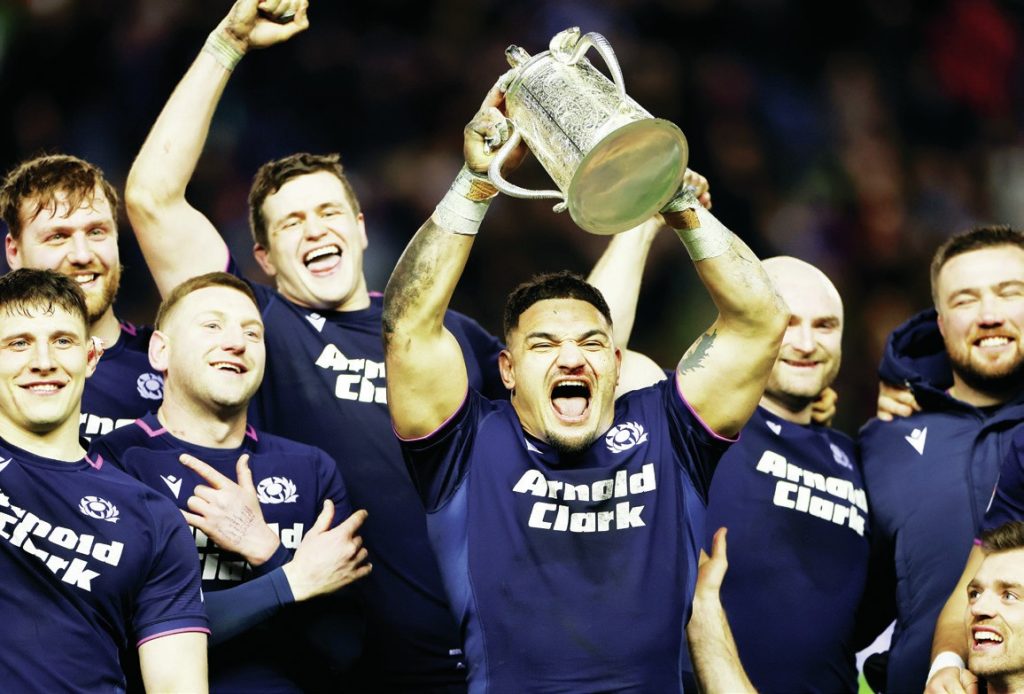
It seems clear that far too many doubted the power of Scotland at Murrayfield.
The stars of the show were the Scottish backs, particularly Finn Russell, who showed yet again in the right conditions that he is the most creative player on the planet.
What Scotland were fantastic at was disrupting the English kicking game. Brilliant in the air, they squeezed the life out of the English kicks which have worked so well for the last 12 games.
They forced the opposition into playing everything through their hands, culminating in the English producing an uncharacteristic amount of handling errors.
It only remains to be seen if this was just a classic Scottish Calcutta Cup performance, or if Gregor Townsend really knows how to utilise their talents on a consistent basis.
England
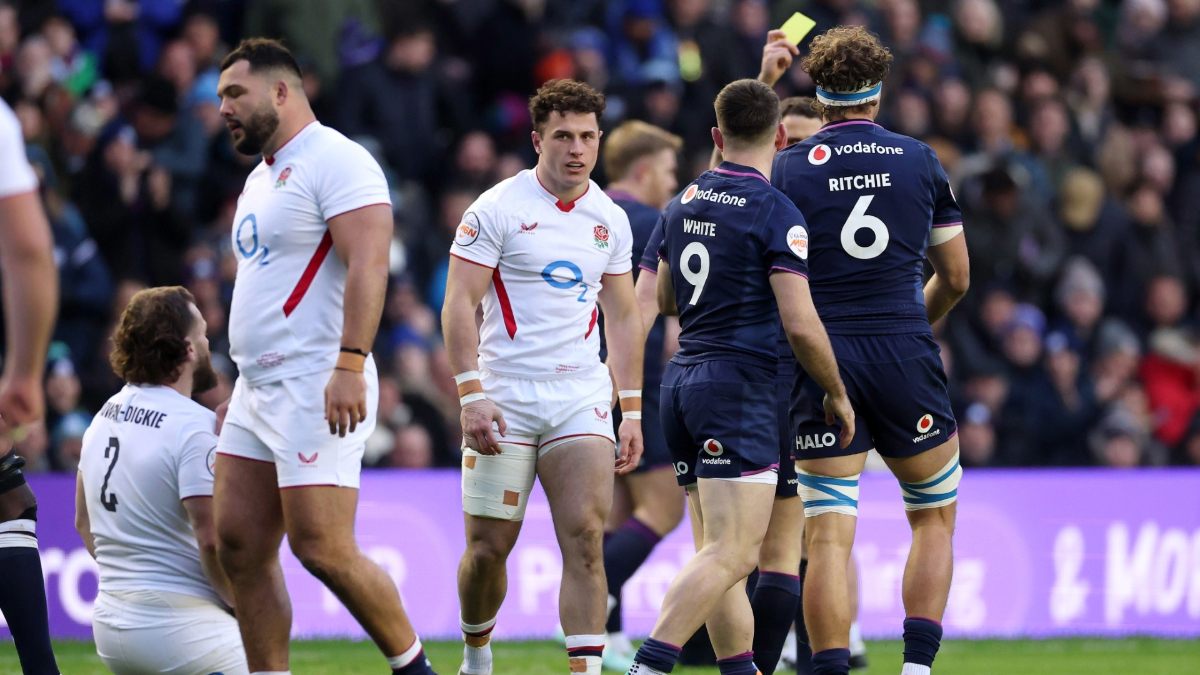
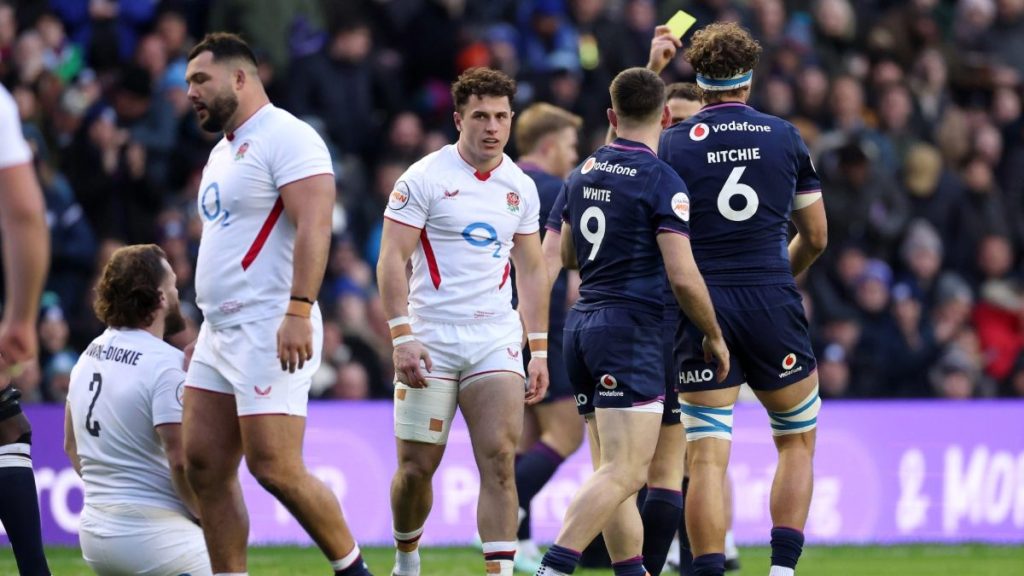
England’s hopes of their first Grand Slam in 10 years are over at the hands of their oldest enemy.
The performance was a far cry from what pundits and fans alike had said was possible from this English side.
Scotland stumped the English by disrupting their kicking game, bringing superiority in the air. England’s response, or lack thereof, was riddled with mistakes, ruining territorial gains far too often.
Henry Arundell, despite scoring a try, had what will probably be his worst game in an England shirt. As mentioned in last week’s review, there were parts of his game which immediately need improving.
However, once you take a step back, England only lost by 11 points. Add up the Ellis Genge fumble in the first half, and the poor decision by George Ford to attempt a drop goal, which led to another Scottish try, and England could have scraped a win.
Instead, it remains in the balance as to whether it is possible now for England to win this year’s tournament.
Wales
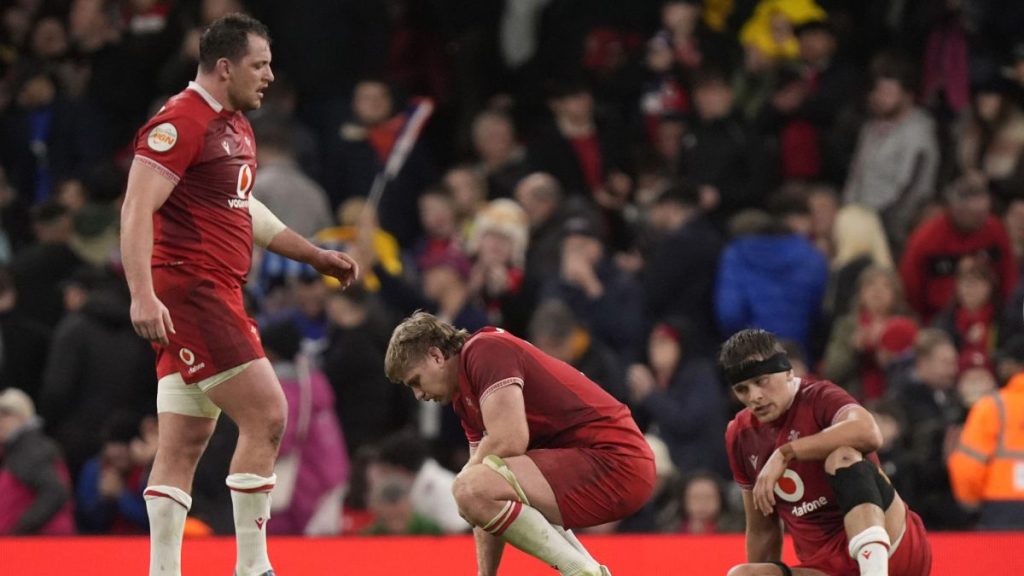
It seems contradictory, but despite losing by 42 points, this was a much-improved Welsh performance.
Their scrum was at times better than France’s and their lineouts were also solid throughout.
Steve Tandy’s biggest issue last week was his side’s ill-discipline. This issue was wiped clean away, having only conceded nine penalties all game, far better than the 16 last week.
The Welsh problems lied instead in their poor kicking game. Kicks were often far too long for runners to compete with, giving France space to attack.
This, added up with a sense of panic whenever they reached the French 22, shows there is still a long way to go for Tandy’s Wales.
The point still remains that it is bad to say a 42-point loss was a good performance, but alas, there is proper potential in this Welsh side.
(Andrew Matthews/PA)
France
It was the same old France when they visited the Principality on Sunday. They were electric in attack as per usual, ripping the Welsh apart with seamless offloads and athletic running.
They were simply faultless, with half the tries scored being contenders for try of the tournament.
Frankly, Les Bleus are now the firm favourites for the tournament and seem as though they will not be stopped.
If there is anywhere to improve, perhaps it would be at the scrum where Wales did give them a real go, but that is just nitpicking.
The only other issue Fabien Galthié has now is who to play at 10.
Matthieu Jalibert has simply been fantastic at fly half this tournament, but Romain Ntamack is due back from injury soon and will be desperate to restart his killer partnership with Antoine Dupont.
READ MORE: Wales 12-54 France: Les Bleus overpower the Welsh en route to emphatic Six Nations victory


International Rugby
Six Nations news: What we learned about every team from round two


Features
OSCAR WILSON

BUCS Super Rugby
Cardiff Met’s Gus Patterson on becoming Bridgend’s next rugby star




The best betting sites




















You must be logged in to post a comment Login