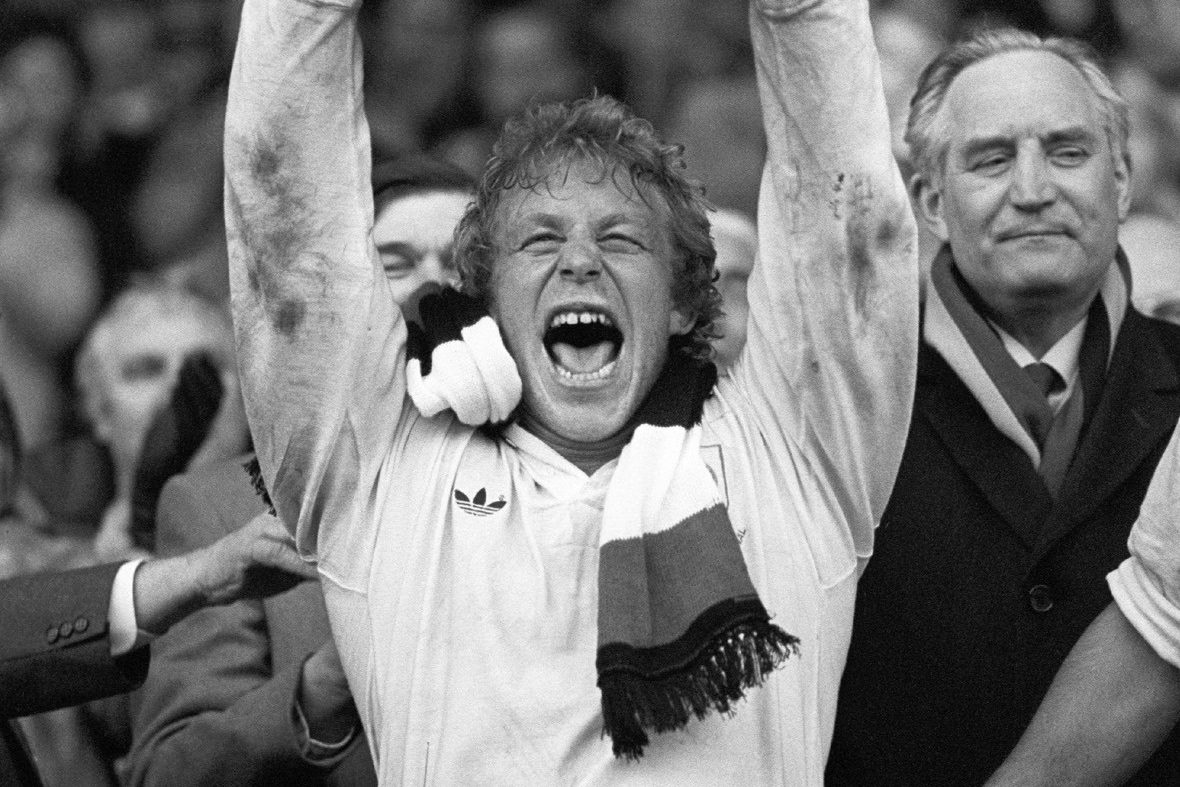
The respect and affection for Roger Spurrell that has poured out since it was announced the inspirational former Bath captain and flanker passed away last week at the age of 71 is no surprise to anyone who knew him.
Roger was already an almost mythical figure at Bath when I was in the Colts, and he was really a different era to me at Bath, as our paths only crossed over a couple of seasons.
However, we used to watch the first-team regularly, and as a player his curly blond mop was almost always visible because he was everywhere on the pitch all the time.
My first real experience playing in the Bath first team was being called into the squad for the John Player Cup final against London Welsh in 1985.
Naive
Bath had won a landmark first English club title the previous year when a team captained by Roger, which included England internationals like David Trick, John Horton, John Palmer, Paul Simpson and Gareth Chilcott, had beaten Bristol, and they were looking to make it a double.
I was so nervous it was ridiculous, and when I came off the bench after winger Barry Trevaskis was injured, the game seemed to go by in a flash.
After our 24-15 victory I was part of a group interviewed by commentator Nigel Starmer-Smith, who asked me how the experience had been.
Among the lads I’d been playing with we had an agreement that if ever we got on TV we’d reference something from a film we’d watched called The Warriors.
It was about gang warfare in New York, and the only thing that I could think of was the line “The Blood done it”.
So, my reply to Starmer-Smith won’t have meant very much to him, or anyone watching!
Looking back it was naive trying to keep that sort of promise, but it’s just one of those things you do when you’re 19.
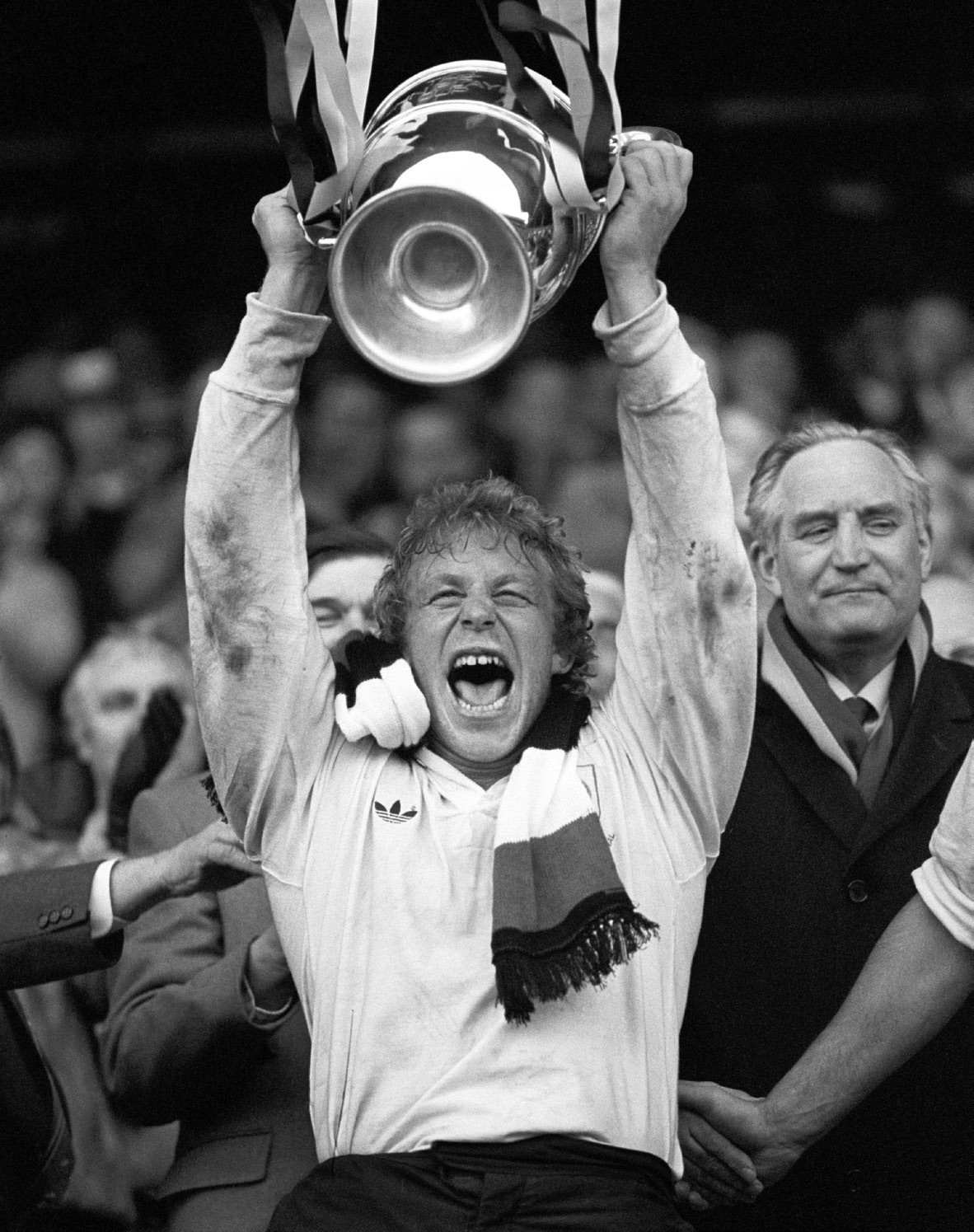 Legend at The Rec: Roger Spurrell lifts the John Player Cup in 1985
PICTURE: Alamy
Aura of respect
As captain Roger didn’t need to say much because he had an aura of respect earned through the way he led by example on the field – but he was straight-talking and didn’t hold back if he had something to say.
He was also a good listener, and it’s what helped him to be such an outstanding leader, completing a hat-trick of three consecutive John Player Cup titles by beating Wasps 25-17 in the 1986 final.
Roger was a big character, a Cornishman who’d been a paratrooper in the Army, and worked as a shepherd.
Along with an entrepreneurial sideline in arranging raves and concerts, he was also the joint proprietor of a late night drinking establishment in Bath called The Island Club.
His partner was Peter Heindorff, a hefty former Bath lock and German international, who was always on the door, and whose only words were “That’s £2”.
It was an aspirational place – and if you weren’t asked for the £2 you knew you’d made it!
The combination of Roger taking the lead on the field, and Jack Rowell, a big corporate businessman, as coach off it, was formidable – even though you would never have put those two people together anywhere other than a rugby club.
Strength
They got a group of talented rugby players to come together, and changed them from being whipping boys for the big English and Welsh clubs into a team that dominated English rugby for a decade, and turned the tables on the Welsh.
It was Roger who was instrumental in kicking it off, and it was no accident that it coincided with his arrival in Bath.
It was a totally uncompromising back row in which Roger was at openside, Jon Hall at blindside, and Paul Simpson at No.8.
They were a grizzly unit with the sheer willpower to get the upper hand in the battle for possession, and had a great blend of strengths.
Hall was a 6ft 3ins, 16st 7lbs athlete with pace and physical presence, and Simpson an agile heavyweight with great hands and touch.
Then there was Roger, who had a primaeval, earthy strength, as opposed to gym strength.
He didn’t look like Arnold Schwarzenegger in terms of muscle definition, but at 5ft 11ins he had wide shoulders and a deep chest to provide grappling power and stamina.
Impact
For pure talent I’d put that Bath trio against any back row in the world that played, or will play, in terms of rugby ability, and the impact they had on the field.
That said it was a team effort, with backs of the quality of Richard Hill, Stuart Barnes, Simon Halliday, Tony Swift, and Chris Martin coming through, along with tight forwards of the calibre of Graham Dawe, Richard Lee, David Sole, Nigel Redman, and John Morrison.
There was also fierce competition for places with younger, ambitious back rows like Andy Robinson and Dave Egerton arriving at The Rec, and there were a few scraps in training in that era.
However, despite being uncompromising and unforgiving on the field, Roger was always well liked, with a reputation for being tough but fair.
One of my memories of him was on a Bath tour to Boston where we were playing the decisive game in a round-robin tournament against an Irish club, and I was playing fly-half.
It didn’t matter whether it was a John Player Cup Final, or a training session, Roger wanted to win, and it was just my luck that we had a late penalty to clinch it.
When Roger chucked me the ball I was pretty scared, so, to ease my nerves, I said to him: “What if I miss?”. He replied: “You don’t want to know.” I was glad when it went over.
Rugby icon
Roger was a huge figure at the club, and a genuine hard man.
He was always at the bottom of rucks and mauls, either trying to win the ball for Bath, or slow down the opposition ball, and he was so effective over the full 80 minutes most people wondered why he never got an England cap.
What I’ll also remember is that like most of the toughest competitors you meet in rugby they are usually also great people who can show a lighter, smiling side, and Roger was no exception.
At reunions I’d catch up with him for a quick chat, and there was always a big smile to go with the blond mop.
Roger Spurrell wore that smile on the pitch, but there it was more “bring it on”!
He just revelled in the physical contest, and it’s why Bath’s rise is forever linked to his arrival.
I feel honoured to have played with him and known him, a true Bath rugby icon.
READ MORE: Jeremy Guscott: It’s time for Fin Smith to run England from No.10


Autumn Internationals
Ben Spencer targets 2027 Rugby World Cup place with England after surgery


The best betting sites