

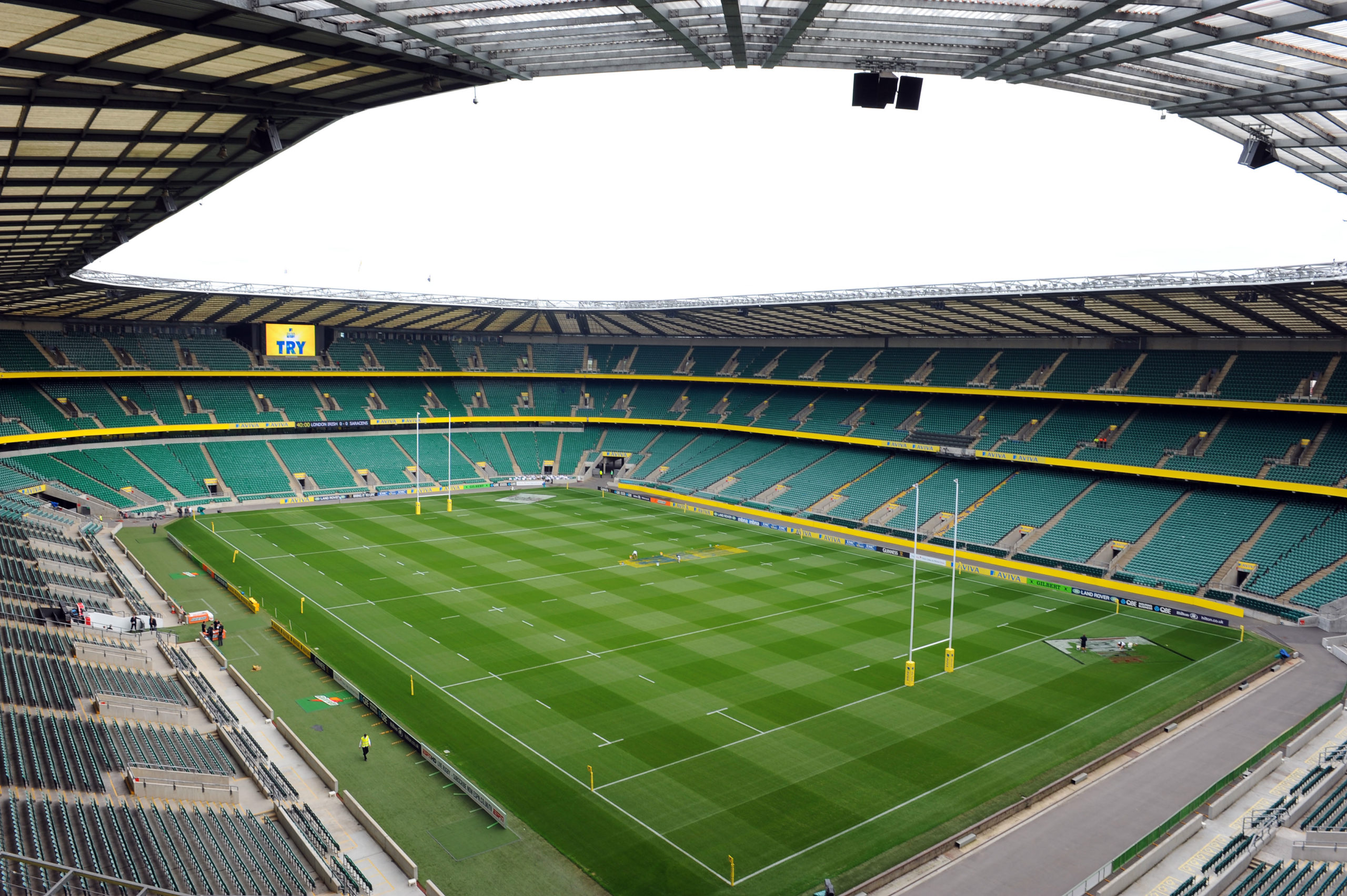
European club rugby runs on three national leagues and one bridge that connects them, and only one of those leagues is still built inside a single country. That league is the Gallagher PREM. As the United Rugby Championship keeps proving that a multinational competition can hold together across countries and even hemispheres, the quiet question hanging over English rugby is whether it will ever need to follow. The answer matters, because the Premiership has spent the past year attracting exactly the kind of money that would make going cross-border either unnecessary or inevitable.
For sports fans, the Premiership’s future is not just a governance story. League structure affects travel, squad rotation, fixture intensity, and the way teams are judged across domestic and European competitions. That wider context is useful not only for rugby followers, but also for readers interested in the betting market, where a better understanding of sporting structures can help them approach resources such as best UK football gambling apps more consciously.
A landscape of three leagues and one bridge
The professional club game in the northern hemisphere rests on the French Top 14, which remains the richest competition for wages and attendances, the URC, and the Premiership. Above and around them sits the EPCR, which runs the Champions Cup and the Challenge Cup and is the only genuinely cross-border competition English clubs play in on a regular basis. The structural difference is the whole story. The URC was designed as a multinational league from the start, pulling together sixteen teams from Ireland, Wales, Scotland, Italy and South Africa. It gave smaller unions a steady diet of high-level matches and handed South African franchises a route into the European market. The Premiership, by contrast, is a national competition that shrank to ten clubs after Wasps, Worcester and London Irish collapsed. That gap in scale, sixteen clubs against ten, is why the “English question” keeps getting asked.
Why the question is specifically English
The most important change in this story is one the older framing tends to miss. The Premiership is no longer simply a league with frozen promotion and relegation. In February 2026 the Rugby Football Union council approved a move to a franchise model from the 2026-27 season, scrapping automatic promotion and relegation in favour of a criteria-based system. The stated plan is to grow from ten clubs to twelve by the end of the decade, with an ambition of reaching as many as twenty by 2040.
That reframes everything. England’s answer to its own structural problem is not, for now, a merger with the URC or the French. It is a closed, investable league that grows on its own terms. Premiership Rugby is selling competitive balance as proof of concept, and the numbers back the pitch: six different champions in seven seasons, with Northampton Saints the reigning holders after beating Exeter in the June 2026 final.
New money is backing the English brand
The clearest evidence that the Premiership can generate value without a multinational structure is who has been buying in. Over roughly twelve months the league has attracted three very different investors. Red Bull took over Newcastle, now the Newcastle Red Bulls. Sir James Dyson, a supporter of Bath for more than forty-five years and the club’s shirt sponsor since 2014, bought a 50 percent stake in Bath Rugby in March 2026, forming an equal partnership with long-time owner Bruce Craig.
Then came the biggest signal of all. On 30 June 2026, Black Knight Rugby, a new subsidiary of the US-listed Cannae Holdings, completed a purchase of 100 percent of Exeter Chiefs, valuing the club at around £32.6 million. Cannae’s football arm already owns Premier League side AFC Bournemouth, and the wider Bill Foley network owns the NHL’s Vegas Golden Knights. Exeter became the first American-controlled club in the Premiership. Premiership Rugby’s own framing is telling. Chief executive Simon Massie-Taylor points to a league that, outside football, is the biggest sports competition in the UK, with a collective economy of £260 million, 450 professional players, nine million fans and a cumulative television audience above ten million. The read is straightforward. Owners are being drawn to the English brand itself, not to membership of a bigger multinational body.
The CVC factor: one owner, three leagues
There is a structural incentive pulling in the opposite direction, and it rarely gets covered match by match. The private equity firm CVC Capital Partners has spent years buying into the sport, and in 2025 it consolidated those holdings into a Global Sport Group. That vehicle now holds stakes in all three of the northern hemisphere’s flagship rugby competitions at once: Six Nations Rugby, Premiership Rugby and the URC, alongside interests in football’s La Liga and Ligue 1 and other sports. An investor sitting across all three rugby leagues has an obvious motive to push for aligned calendars, shared formats and, eventually, bigger cross-border competitions than a single Champions Cup weekend. This is the quiet engine behind years of talk about a “global league.” When one owner benefits from the whole board, the walls between the leagues start to look temporary.
R360 and the pull of a global game
The abstract “global league” idea now has a concrete name. R360 is a proposed breakaway competition fronted by former England international Mike Tindall, built on a Formula 1 style touring model with eight men’s teams and four women’s teams playing in major cities worldwide. It has been pushed back from 2026 to 2028 and faces fierce resistance, with national unions warning that any player who joins risks losing international selection. R360 matters here for two reasons. It is the disruptor the franchise reforms are partly designed to defend against, since a closed, well-capitalised league is easier to protect than an open one. And the ironies run deep: Bath executive Stuart Hooper is among R360’s backers, while Bath itself is now half-owned by Dyson. English rugby is being pulled toward a global future and fenced into a domestic one at the same time.
What cross-border would do to pulling power
Put together, the picture is of a smaller English league trying to compensate with private capital, international brands and an aggressive “best league in the world” message. A URC-style expansion could raise the number of high-profile matches and the value of broadcast rights, repeating the logic that let the URC absorb South Africa. It could also dilute the very thing new owners say they are buying, which is a recognisably English competition with its own identity and its own trophy. The launch of the inaugural Nations Championship, whose first round kicked off on 4 July 2026, shows the wider game drifting toward cross-border and intercontinental formats. Whether the Premiership follows at club level is still unsettled. No official merger with the URC or the French exists. For now England is betting that ownership, not geography, is what makes a league worth watching. So which version of the future would actually make you tune in more often, a bigger multinational league or a tighter, wealthier English one?


Autumn Internationals
Ben Spencer targets 2027 Rugby World Cup place with England after surgery



The best betting sites












You must be logged in to post a comment Login