

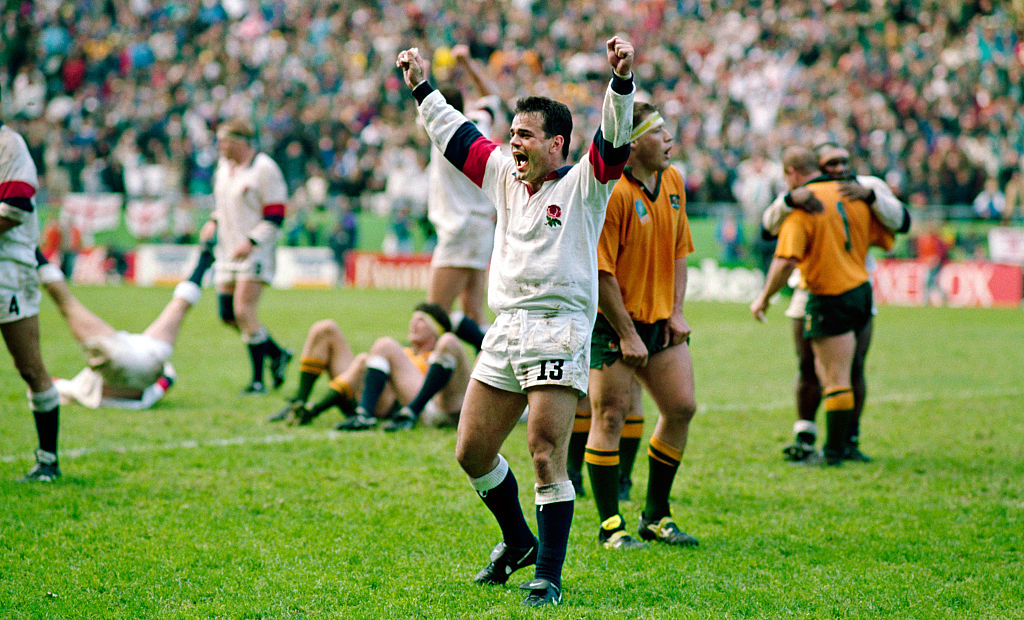
Will Carling was 22 when England handed him the captaincy. Young, untested in leadership terms, and suddenly standing in front of a dressing room filled with men who had more caps, more experience and no reason to follow him just because he had the armband.
What followed was one of the defining captaincy runs in English rugby.
Carling led England to the 1991 Rugby World Cup final, captained the side to Five Nations Grand Slams in 1991, 1992 and 1995, and became England’s longest-serving rugby captain with 59 matches in charge.
He retired from international rugby in 1996 with 72 caps, before later being awarded a CBE for services to rugby and charity and inducted into the World Rugby Hall of Fame.
Now a respected rugby speaker, Carling talks about leadership without dressing it up.
His view is simple: successful people do not blindly follow instructions, confidence is built long before a team reaches the dressing room, and the best captains learn to listen before they try to command.
In this exclusive interview with the High Performance Speakers Agency, Will Carling reflects on becoming England captain at 22, the unseen conversations that shaped his dressing room, and why leadership in rugby, business and life comes down to earning trust, reading people and putting the team first.
For exclusive stories and all the detailed rugby news you need, subscribe to The Rugby Paper website, digital edition, or newspaper from as little as 14p a day.
Earning trust in England’s dressing room at 22
Question One: You were handed the England captaincy at 22, surrounded by older, more experienced players. Did that force you to lead by listening rather than authority?
Will Carling: “I think my early experience of leadership came when I was so young and inexperienced, at 22, as England captain.
“It struck me when I stood up in front of the England team for the first time that there was all this experience and knowledge in the room.
“One of the key things I could do early on was access that knowledge and experience.
“That was a huge learning curve for me. Listening and observing were probably the most important things I did early on in my career as a leader.
“I introduced appraisal in a rugby team because I wanted to listen to what people needed from me, and I think that altered as I became more experienced.
“But the key for me was earning the trust that the players knew I was doing it because I wanted them to be successful and to be winning.”
Why confidence was everything before a Test match
Question Two: Before a Test match, the dressing room is already loaded with pressure. How did you make sure England players walked out confident rather than overwhelmed?
Will Carling: “I think the key for me was always that once you got in the dressing room, everything should be done in terms of getting the performance out of a player and all the players.
“For me, that was hundreds, thousands of little conversations and interactions in the week building up to the game.
“When you weren’t in camp as a team, it was trying to understand players, what happened in their lives, what was happening in their lives and in their families, so that you knew the person and how to get the best out of them.
“That’s a huge amount of work that goes on every time you’re in a conversation with someone.
“But when it came to just before the changing rooms, something that we constantly underestimate is the importance of confidence.
“I think we all work at our best in stressful situations when we’re confident. Sending a team out believing in themselves and believing in each other is one of the keys to success.
“I genuinely believe we underestimate the mental side of so much in life.”
The leadership lesson elite players taught me
Question Three: Rugby dressing rooms are not classrooms, and elite players do not simply follow instructions. What did captaincy teach you about leading successful people?
Will Carling: “I hope audiences take away a few practical tips.
“When I was made captain, I read every book there was on leadership. Then you stand up in front of 30 people and they don’t do what you say.
“I thought, “No, I’ve read everything. This is what’s meant to happen.”
“People don’t conform, especially successful people.
“It is understanding that you have to learn how to read people and adapt to situations, and that the team’s success is the absolute priority.
“If you’re leading for your own personal gain, you will not be successful. The team won’t be successful.
“Every decision, every behaviour and every reaction that you have as a leader should be about the team and what is best for the team.
“It is very hard, but if you can live by that mantra, then you stand a chance of getting the best out of the individuals in that team. That really is the role of a leader.”
This exclusive interview with Will Carling was conducted by Tabish Ali of the Motivational Speakers Agency.
READ MORE: James Haskell interview: ‘You can lie to everyone else, but you can’t lie to yourself’






The best betting sites






















You must be logged in to post a comment Login