

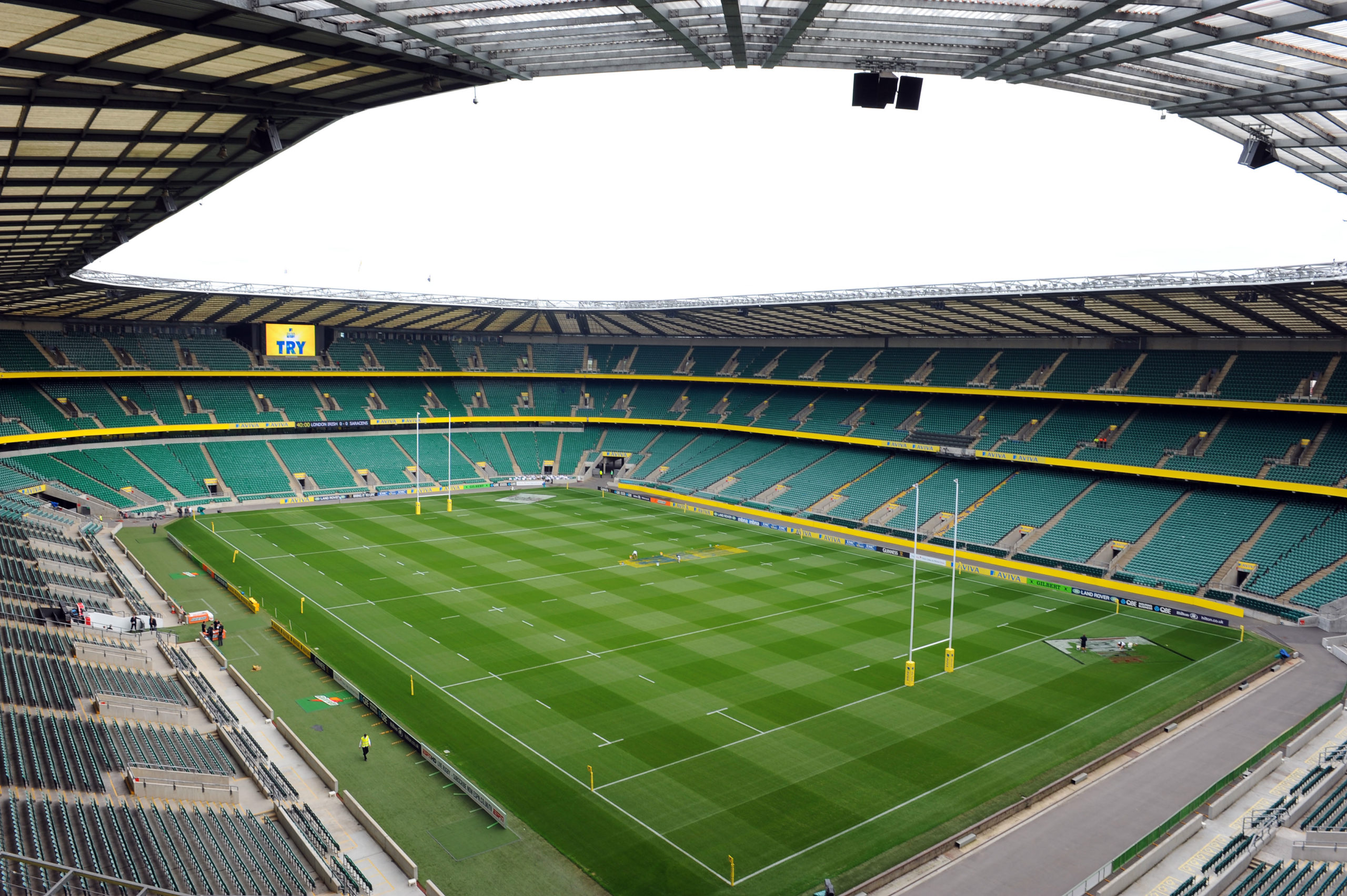
One win from five. Four consecutive defeats after an opening-round demolition of Wales. A fifth-place finish, the worst in the Six Nations era, saved from the Wooden Spoon only because Wales were even more abject. England’s 2026 Six Nations campaign was not a disappointing tournament. It was a disaster.
The numbers do not lie. Scotland 31-20 England at Murrayfield. Ireland 42-21 at Twickenham. Italy 23-18 in Rome. France 48-46 in Paris. Only the 48-7 thrashing of Wales in the opening round papered over the cracks, and even that result looks different in hindsight. Wales were dreadful, down to 13 men for large stretches of the first half, and England’s performance that day turns out to have been the ceiling, not the floor.
Experts at Gambling.com, a platform whose sports betting commentary reaches far beyond its well-known guides to casino bonus and welcome offers available in the UK market, were unsurprised by England’s unravelling. “The betting markets had England drifting after the Italy defeat, and the odds never really recovered,” a spokesperson said. “When you concede 144 points across a tournament, the underlying data tells you something structural has broken down, and that is very difficult to mask.”
With the Rugby World Cup in Australia now barely 18 months away, the hard questions can no longer be deferred.
The defence that disappeared
England conceded 144 points across five matches. That is an average of nearly 29 per game. Against Ireland, the defensive line was pulled apart with disturbing ease. Against France, England scored 46 points and still lost. When a team puts 46 on the board in Paris and comes away with nothing, the problem is not effort. It is structure.
The Italian defeat was arguably the most alarming of the four losses. As this publication’s post-Italy analysis explored, Rome has historically been a fixture England could rely on for momentum, even in difficult campaigns. Losing 23-18 to an Italian side that finished fourth suggests the gap between England and the rest of the Six Nations is no longer confined to the top two. Scotland beat them comfortably. Italy beat them. The hierarchy has shifted, and England have not adapted.
Steve Borthwick’s record under the microscope
Borthwick took charge with a long-term vision centred on World Cup 2027. The argument has always been that short-term results should be judged in the context of building a squad capable of competing in Australia. But there is a difference between accepting growing pains and accepting a campaign where the team regresses.
England’s 2025 Six Nations was not spectacular, but there were signs of progress. A competitive tournament that ended with respectable results against France and Ireland suggested the direction was right. What happened this year undid that narrative entirely.
Four consecutive defeats is not a blip. It is a pattern. According to BBC Sport’s Six Nations coverage, it is the first time England have lost four matches in a single Five or Six Nations Championship. That kind of record does not sit alongside a coaching philosophy that claims to be moving forward.
The RFU will need to decide whether Borthwick is the man to lead England into a World Cup on the back of a Six Nations that produced one win and four defeats. That decision will define the next 18 months of English rugby.
The talent is there. The system is not.
What makes England’s collapse so frustrating is the quality available. Henry Arundell’s hat-trick against Wales showed what he can do when given space. Marcus Smith continues to look like a world-class fly-half in Premiership rugby but has not been able to translate that form consistently at Test level. Ben Earl remains one of the best back-rowers in European rugby. The raw materials are not the issue.
The issue is cohesion. England looked like a collection of talented individuals this Six Nations, not a team. The set-piece was inconsistent. The attacking patterns were predictable. The kicking game lacked variety. Against France, the sheer volume of points scored showed that England can create, but the inability to close out a match at 46-40 up revealed a team that does not know how to win under pressure.
That is a coaching problem, not a talent problem.
What needs to change before Australia
The summer tour will be revealing. Borthwick will need to show that the Six Nations was an anomaly, not a trajectory. The squad depth needs testing, the defensive structure needs a complete overhaul, and the leadership group needs to take ownership of what went wrong.
There is time. Eighteen months is enough to fix problems if the diagnosis is honest. But if the review is superficial, if the same patterns repeat on the summer tour, then the conversation will shift from “what went wrong” to “who should replace Borthwick.”
England have not won a World Cup since 2003. They have not reached a final since 2019. The expectation among supporters is not perfection. It is competence. And a fifth-place finish in the Six Nations, avoiding the Wooden Spoon only by the grace of a woeful Welsh side, does not meet that bar.
The clock is ticking. Australia is waiting. England need to decide what kind of team they want to be, because the 2026 Six Nations answered that question in the worst possible way.



The best betting sites













You must be logged in to post a comment Login