

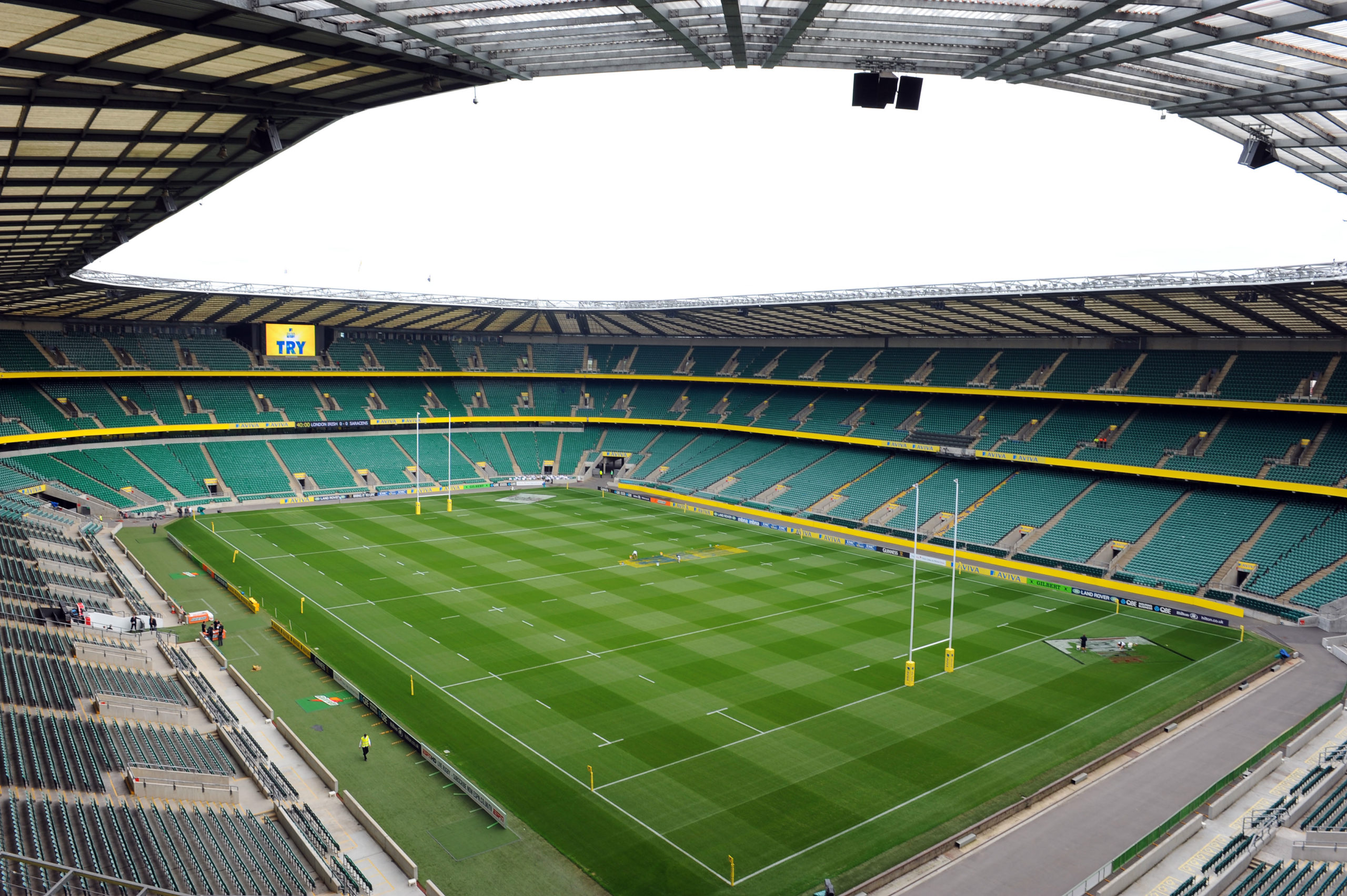
To the uninitiated, the Six Nations looks like a scheduled sequence of eighty-minute sports fixtures. But explaining match-day energy to a non-fan is like trying to describe a symphony by cataloging the wood of the violins. In cities like Dublin and Cardiff, the tournament is a 48-hour cultural takeover where the streets breathe differently and the architecture of the city is repurposed for tribalism.
Dublin becomes an open-air cathedral of adrenaline and expensive stout, while Cardiff transforms into a student-led carnival. In the Cathays district, the air hums with the scent of beer and the “friendly rivalry” of watching games at The Taf. It is a liturgical cycle of camaraderie and late-night debate, where the city center doesn’t just host the rugby—it is entirely consumed by it.
The Complex Soul of the Stadium Anthem
The music preceding a match serves as the emotional glue of the tournament, though the history of these “stadium hymns” is as fractured as the politics they sought to soothe. “Ireland’s Call,” commissioned in 1995 from Phil Coulter, was a pragmatic attempt at inclusion for an all-island team. It accommodated the approximately 20% of the union from Northern Ireland for whom the Republic’s anthem, “Amhrán na bhFiann,” felt exclusionary.
More recently, The Cranberries’ “Zombie” has ascended to anthem status, completing a transition from a 1994 masterpiece of alternative rock into a visceral stadium staple. Originally a protest against the 1993 Warrington bombings, the song found a massive second life during the 2023 Rugby World Cup. While it occasionally sparks friction between those viewing it as an anti-violence plea versus a nationalist critique, its atmospheric weight remains undeniable.
“Amhrán na bhFiann” and “Ireland’s Call” were belted out with such hair-raising intensity that men and women were crying as they sang.
Whether it is the “Celtic yodel” of Dolores O’Riordan or the full-throated roar of the crowd, these songs provide a visceral connection to the island’s history. They act as the “emotional glue” for a diverse fan base, proving that the game is as much about identity as it is about the scoreline.
The “Sit Down” Wars and the Corporate Lull
A simmering sociological friction now exists within the modern stadium, specifically at the Aviva (built upon the ghost of the old Lansdowne Road). Here, the “Lansdowne Lull” occurs when the gentrification of the match-day experience prioritizes corporate hospitality over organic tribalism. Traditional supporters find themselves at war with “lifestyle fans”—colloquially termed “plastics”—who treat the fixture as a high-end networking event.
This tension is perfectly encapsulated in the “sit down” wars. It is a “cringe-worthy” standoff: fans leaping up during a high-octane line break only to be met with shouts of “sit the fuck down” from those behind them. For die-hard fans, this gatekeeping is an embarrassing symptom of a sterile atmosphere where people seem “afraid of enjoying the match.”
The stadium management often compounds this sterile environment by playing music like “Grace” over the tannoy at every opportunity. Many fans view this as “cruel and unusual punishment” that stifles the organic voice of the crowd. This contrast is most evident when comparing the Aviva to the more intense, raw atmosphere found at provincial grounds like Ravenhill or the RDS.
The Pub as a Living Museum
If the stadium is the church, the Dublin pub is the living museum of the oval ball. In the “post-match spill” toward Baggot Street and Ballsbridge, the boundary between spectator and heritage vanishes. These venues offer a tactile history of the game that fans can physically touch via the jerseys and caps lining the mahogany.
● The Swan Bar (Aungier Street): A beautifully preserved Victorian gem. Now run by the son of former Ireland international Sean Lynch, it houses a Lions cap from Lynch’s 1971 victory over the All Blacks.
● The Blackrock: Co-owned by modern legends like Jamie Heaslip and Rob Kearney, this spot offers a “lifestyle” vibe. It blends high-end roasts and French toast for early matches with a deep bench of rugby credibility.
These spaces serve as the “third half,” where the dissection of the game happens over a pint. Here, the history of the sport isn’t just remembered; it is inhabited.
The Second-Screen Ritual (WhatsApp and Digital Distractions)
For the modern supporter, the game is a multi-platform performance. The “WhatsApp group meltdown” has become a central pillar of the ritual, providing a digital outlet for the emotional volatility of a tight fixture. This second-screen life defines the “peripheral fan,” for whom the game on the pitch is only half the story.
During the “anxious downtime” of the build-up or the post-match analysis, fans increasingly occupy themselves with digital stakes. It has become a natural part of the modern social landscape to see supporters navigating through top 100 online casinos apps between pints as a way to maintain the high-octane energy of the day. These digital distractions are not merely a replacement for the action, but an evolution of how fans manage the adrenaline of the “third half.”
The “Third Half” and the Roman Holiday
While the Dublin/Cardiff experience is fueled by raw intensity, Rome offers a “Dolce Vita” alternative where the rugby is a welcome holiday guest. The Italian “Third Half” (Terzo Tempo) is an exercise in hospitality rather than hostility. It is framed by a relaxed pace that feels entirely alien to the northern capitals.
The walk up the Viale dei Gladiatori toward the colossal Stadio Olimpico is a masterpiece of sport-as-spectacle, flanked by marble statues and pine trees. Before the clash, the heart of the experience is the communal Peroni Village. Here, fans enjoy live DJ sets and food trucks serving porchetta, turning the pre-match build-up into a massive family-friendly festival.
The Italian fans are fantastic hosts who view the Six Nations as a celebration rather than a war.
In Rome, the ritual involves a slow lunch in a piazza followed by a match that feels like a celebration of life. It is the perfect antidote to the high-tension clashes of the north.

















You must be logged in to post a comment Login