

By Chris Collyer
From losing in Paris by 22 points to winning at Twickenham by 21, the mindset and questionable form in Andy Farrell’s Ireland have taken a massive positive step towards renewal.
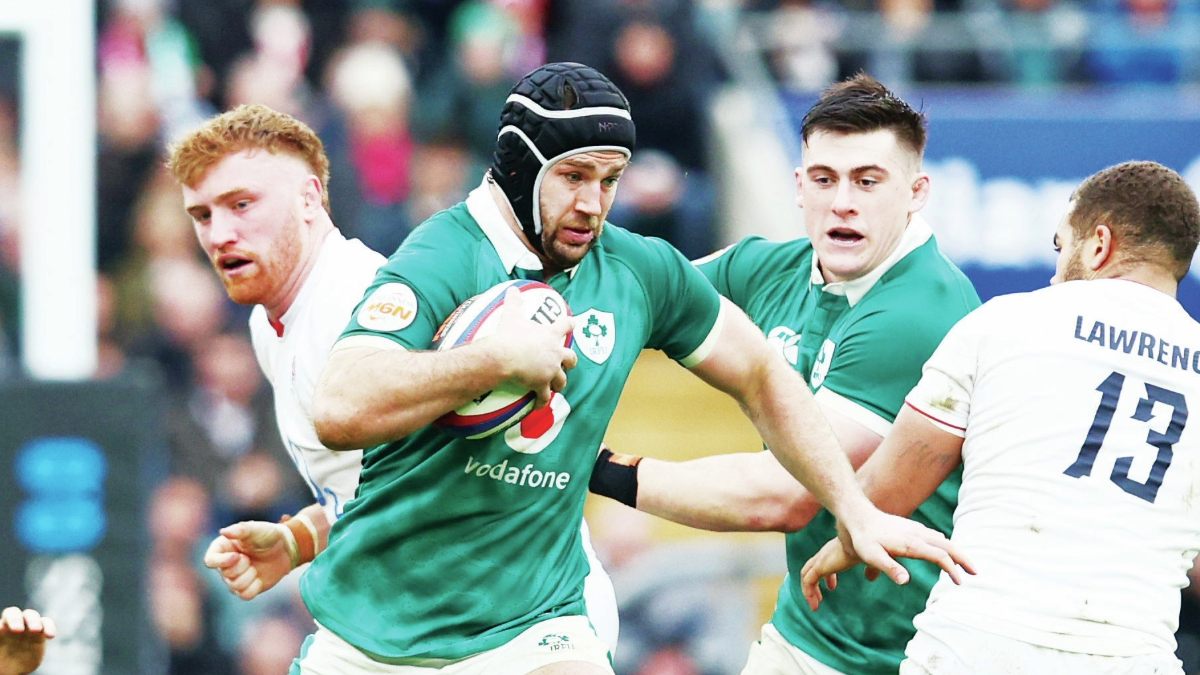
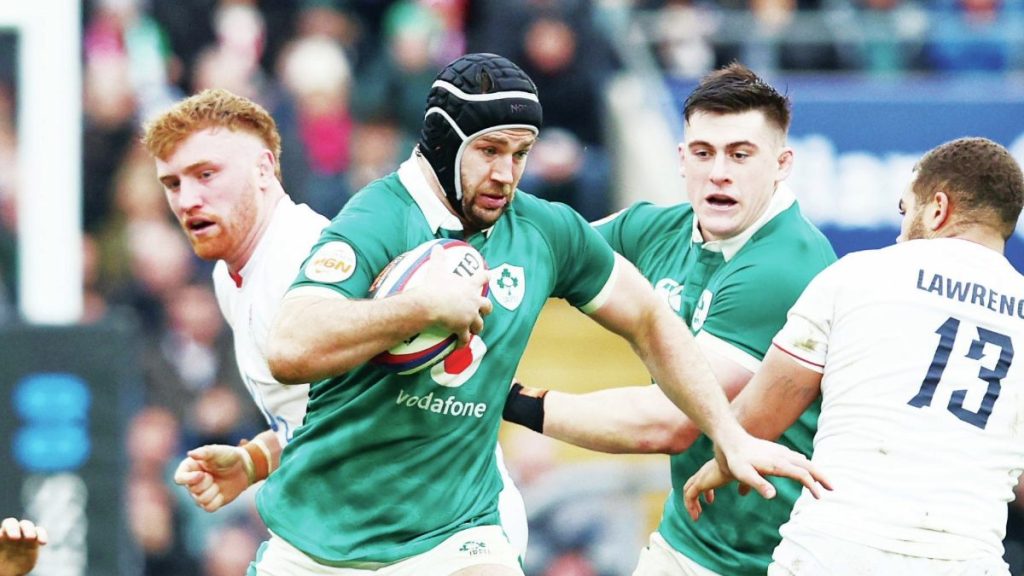
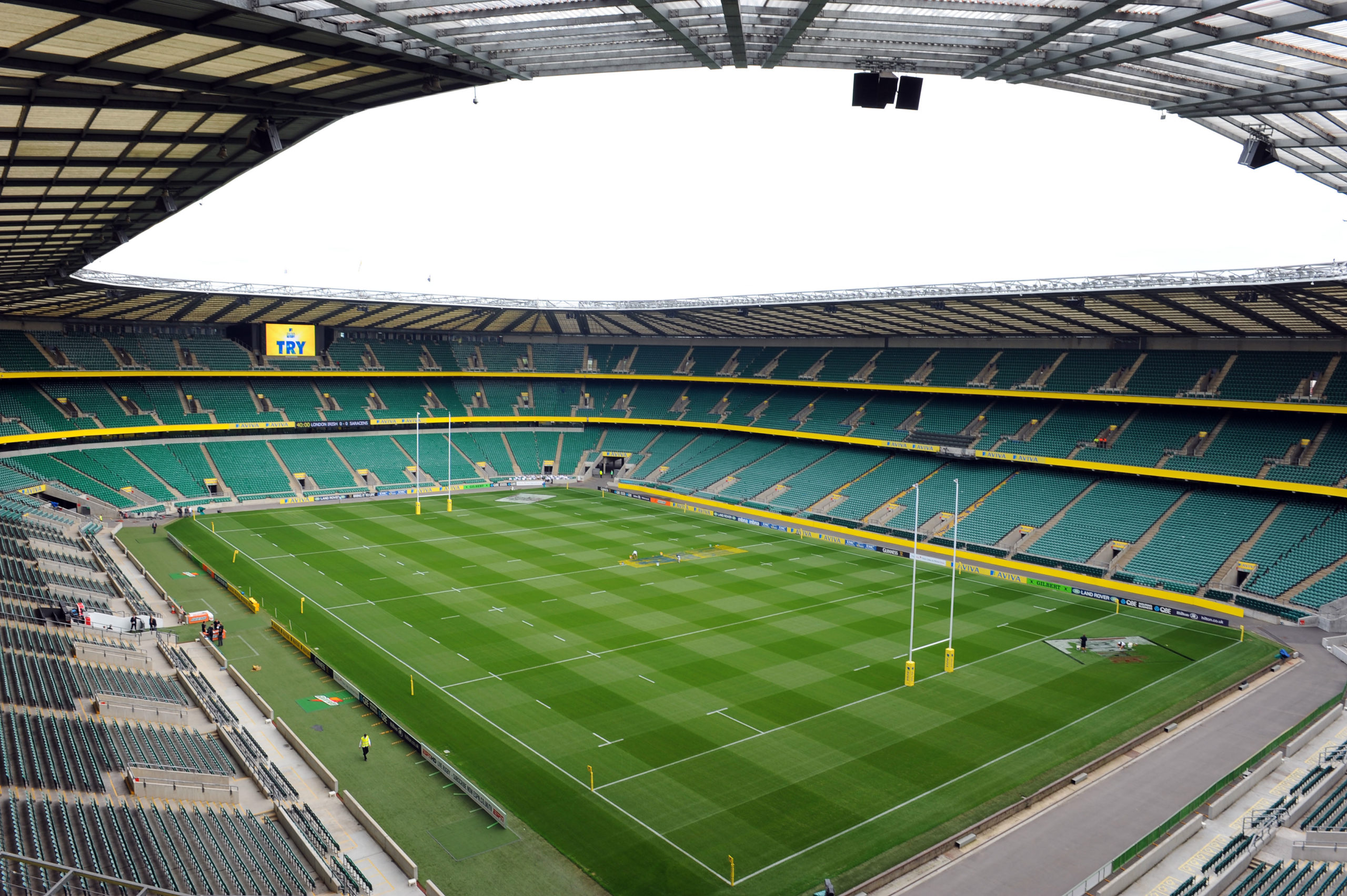
Last Saturday saw Ireland record their biggest ever score at the home of English rugby in a game many expected a wounded England to regain the reins of their campaign after losing 31-20 to Scotland the week before.
With British & Irish Lions captain Maro Itoje winning his 100th cap in front of an expectant crowd, England were certainly the bookies’ favourites to make a statement victory, yet Steve Borthwick‘s men were left stunned.
Ireland have been heavily scrutinised over the last year for what appeared to be a drop in form, an ageing team, struggling scrum, along with discipline and lineout issues that until last Saturday remained ever present with the men in green.
The Number 10 debate raged on, Bundee Aki being excluded from the Six Nations team (however, he is due to return next week).
Farrell appeared to be playing whack-a-mole with all these ongoing issues. What on earth happened in the changing room before Twickenham?
For exclusive stories and all the detailed rugby news you need, subscribe to The Rugby Paper website, digital edition, or newspaper from as little as 14p a day.
WATCH THE RUGBY PAPER ROUNDUP HERE
Has Ireland rediscovered their edge?
It’s not uncommon for any team, be it top-tier or lower, to “turn up” on certain days against certain opponents when everybody else has written them off.
Take Scotland, for example: they regularly underperform in the Six Nations; however, they consistently seem to get the better of Borthwick’s England.
In the Irish Interpros, Connacht, Leinster, Ulster and Munster could be having a bizarrely inconsistent season; however, when they play each other, their tempo and determination rise significantly and the game is always an absolute must-watch.
Ireland, a collective of the four provinces, tapped into their long-standing rivalry with England – one that stretches back more than 150 years – and, after head coach Farrell recently questioned his side’s “intent”, the men in green, led by captain Caelan Doris, arguably had the greater point to prove on the day.
The injection of new players has refreshed Ireland, most notably the Ulster contingent of Robert Baloucoune – who has scored two tries in his last two appearances — and the ever-watchable 33-year-old Stuart McCloskey, who, from NFL-style passes to chasing down a fresh-off-the-bench Marcus Smith and bundling him into touch, has shown that, a decade on from winning his first cap, he looks right at home in the green jersey.
What can Ireland achieve with two games left?
With arguably their toughest assignments behind them, Ireland host a struggling Wales next week – a side that nevertheless ran Scotland close in Cardiff – before welcoming Scotland to the Aviva Stadium the following weekend.
If a fiercely dominant France were to unexpectedly lose their way over the final two rounds and Ireland win both of theirs, then, against the odds, there remains a slim possibility the Championship could still be within reach.
At the very least, second place and retention of the Triple Crown would represent a significant achievement.
Only a few weeks ago, Ireland laboured to edge past a much-improved Italy.
From not only an Irish perspective but across the rugby world, it is a reminder of how quickly momentum can shift and how the Guinness Men’s Six Nations is undoubtedly one of the finest international tournaments in the sport.
READ MORE: Raffi Quirke replaces injured Alex Mitchell as England’s injury crisis continues


The best betting sites



















You must be logged in to post a comment Login