

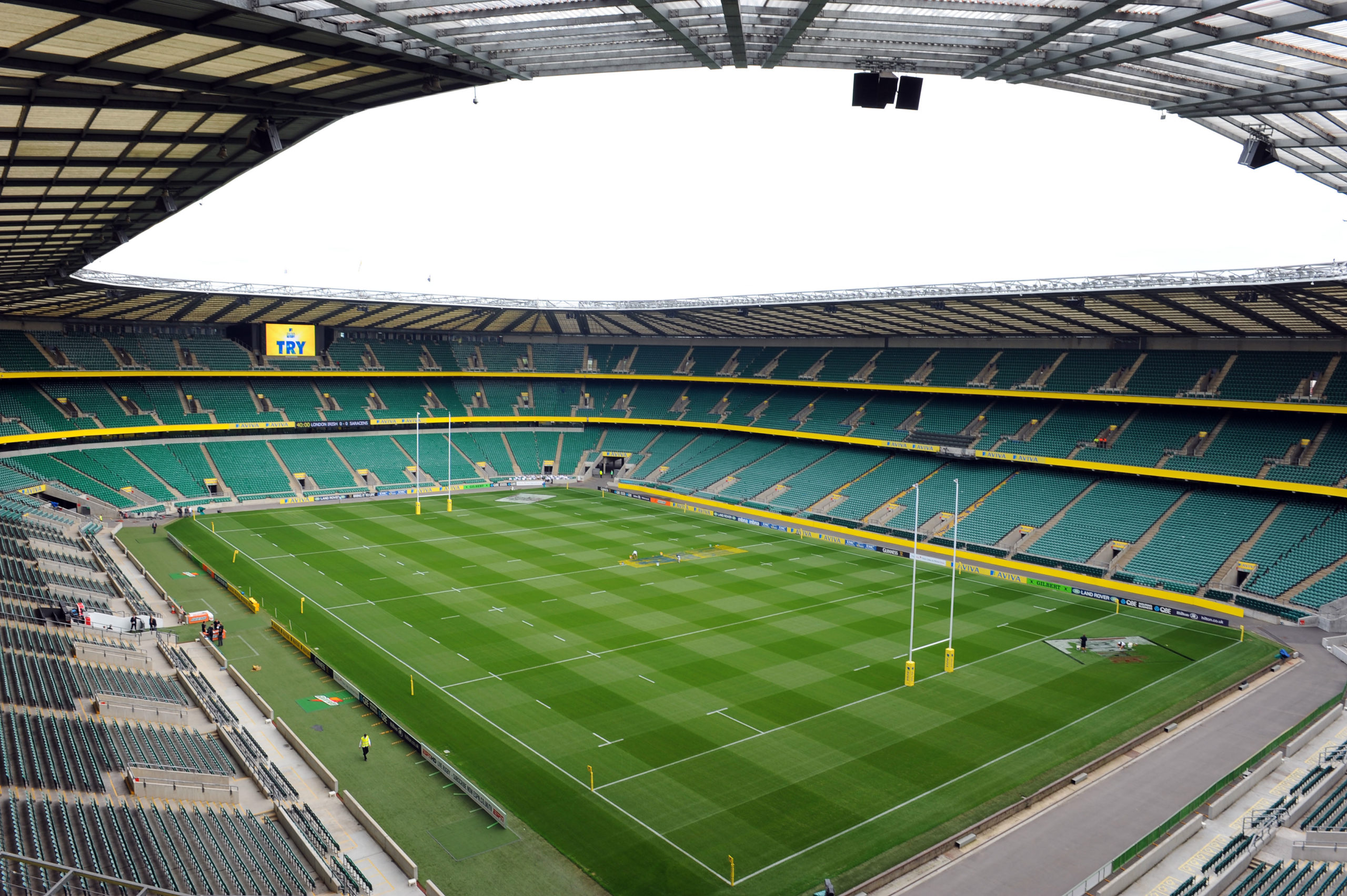
The Premiership title race in 2026 is being decided by details that rarely make highlight reels. With margins tightening and squads stretched by fixture congestion, tactical precision has become the separator between contenders and chasers.
Bath began the campaign as defending champions after last year’s historic treble, but the pack is close. They remain the favourites with odds of 11/10 at many trusted no verification bookmakers, closely followed by Northampton Saints (11/4), Saracens (11/2), Exeter (15/2), and a cluster of playoff hopefuls. These other teams are matching them on points, forcing coaches to squeeze gains from territory, tempo and bench use rather than wholesale reinvention.
What’s striking is how quickly these ideas have travelled. Concepts refined in Test rugby and analytics rooms are now shaping week-to-week league outcomes, changing how matches are managed long before the final whistle.
Kicking Games And Territory Control
Territorial kicking is no longer a safety-first habit; it’s an attacking framework. Teams are using box-kicks, contestable bombs and angled touch-finders to dictate where the game is played, often accepting fewer phases in return for pressure and field position.
The broader trend is backed by elite data. During last year’s Six Nations, England kicked 120 times in open play across three rounds, more than any other side. Premiership teams have taken note, using volume and variation to control territory without surrendering momentum.
Bench Impact And Finishers
Matches are increasingly being won between minutes 55 and 75. Coaches now plan substitutions as tactical weapons, not fatigue responses, aiming to raise collision speed when defences tire.
GPS-informed rotation has changed the profile of the bench. Fresh forwards are introduced to maintain breakdown pressure and carry efficiency, while replacement backs are chosen for work-rate as much as flair. The effect is cumulative: repeated gains late on, penalties forced, territory banked.
This matters because the title race is being shaped by narrow wins. A dominant final quarter can flip a two-point deficit into a five-point haul, and those swings add up over a season.
Breakdown Speed And Discipline
Tempo at the breakdown is the quiet battleground of the Premiership. Faster ball denies defensive resets, but it also increases the risk of penalties if accuracy drops.
Micro-kicks have become part of that equation. Short, deft chips behind the line force defenders to turn and reorganise, buying attacking sides a slower, more fragmented chase. Evidence of their value comes from international analysis, where Australia recovered possession on 62% of micro-kicks under 15 metres, compared with a 38% average. Premiership teams are adapting the principle to manage rhythm as much as space.
Set-Piece Variations Under Pressure
The set-piece remains a platform, but predictability is punished. Sides in the title hunt are varying lift points at the lineout and disguising scrum exits to keep defensive reads uncertain.
Under pressure, those details matter. A single clean launch can relieve five minutes of defensive strain, while a messy one hands momentum straight back. It’s why preparation now focuses on scenarios rather than rehearsed plays.
Reading The Race, Not Just Results
Context frames how these tactics land. Bath’s continuity and depth, outlined in a season preview by Rugby Addict, give them resilience when plans stall. Rivals are countering with fitness and flexibility, making the table volatile.
The bigger picture is clear enough. The Premiership isn’t being decided by one innovation, but by how well teams connect territory, tempo and personnel. In a season where nothing comes easy, that cohesion is proving decisive.

















You must be logged in to post a comment Login